

Feb . 24, 2026 11:26
Choosing the Right Blush Brush for Cream Blush: A Comprehensive Guide
Achieving a flawless, natural-looking blush application with cream blush requires the right tool. A dedicated blush brush for cream blush is essential for seamless blending and buildable color. This guide will explore the different types of brushes, materials, and features to help you select the perfect brush for your needs. We’ll delve into what makes a brush ideal for cream formulas, ensuring a beautiful, long-lasting finish.
Understanding Cream Blush and Brush Compatibility
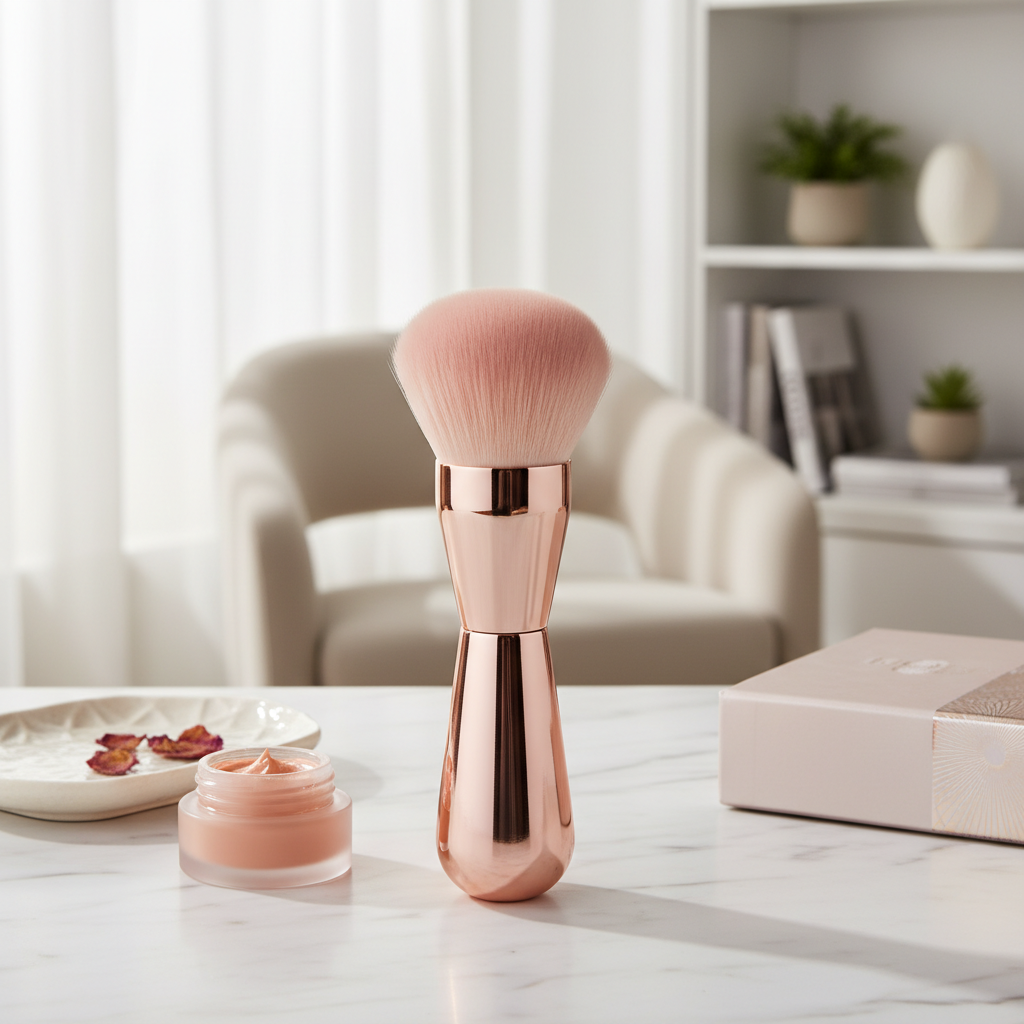
Cream blush offers a dewy, natural finish that's perfect for a healthy glow. However, its texture differs significantly from powder blush, demanding a specific type of brush. Unlike powder blush, which can be applied with fluffy brushes, cream blush benefits from denser bristles that can effectively pick up and deposit the product. Brushes designed for cream blush typically feature synthetic fibers, which don't absorb the product like natural bristles, ensuring minimal waste and optimal application. The shape of the brush also matters – angled, stippling, or flat brushes are commonly used for cream blush application, depending on the desired intensity and technique.
Key Takeaway: Cream blush requires a denser, synthetic brush for optimal product pickup, deposit, and blending.
Types of Blush Brushes for Cream Blush
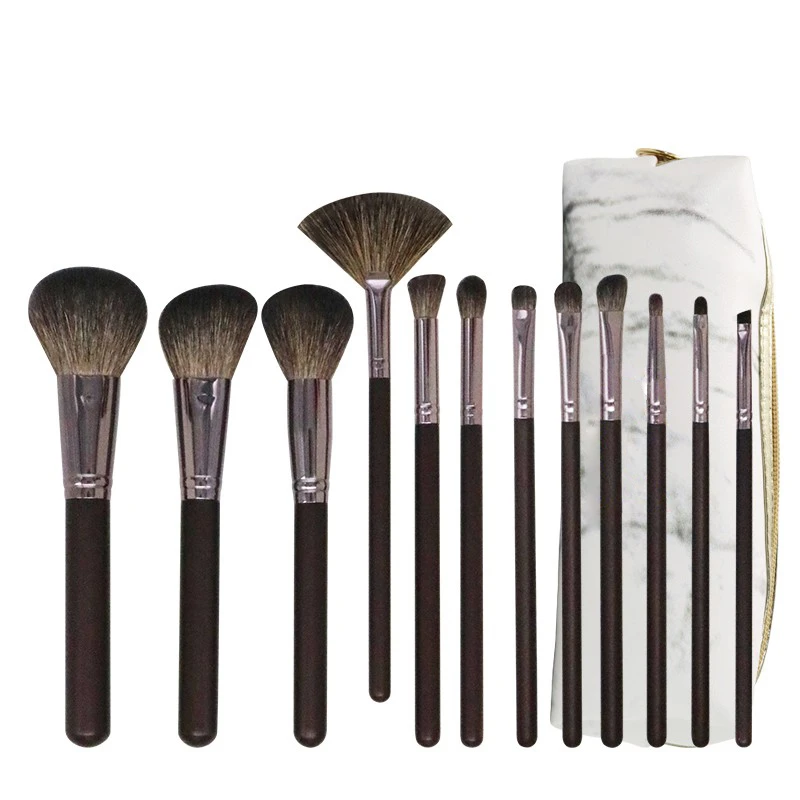
Several brush types excel at applying cream blush. Let’s explore the most popular options. Stippling brushes feature a duo-fiber construction – a mix of synthetic and sometimes natural bristles – creating an airbrushed effect. Flat brushes deliver targeted color payoff for a more sculpted look. Angled brushes are ideal for defining cheekbones and creating a natural contour. Ultimately, the best brush depends on your preferred application style and the intensity of color you desire. A variety of brushes can allow you to experiment and achieve different blush looks.
Brush Types at a Glance:
• Stippling Brush: Airbrushed effect, diffused color.
• Flat Brush: Targeted color, sculpted look.
• Angled Brush: Cheekbone definition, contouring.
Brush Material: Synthetic vs. Natural
When selecting a blush brush for cream blush, the material is crucial. Synthetic brushes are the preferred choice for cream formulas because they don’t absorb the product, resulting in less waste and a more efficient application. They are also easier to clean and maintain. Natural hair brushes, while excellent for powder products, can soak up cream blush, requiring more product for the same intensity and becoming difficult to clean thoroughly. Investing in high-quality synthetic brushes will save you product and ensure a smoother, more hygienic application process.
Lansky Beauty's Recommendations for Cream Blush Brushes
At Lansky Beauty, we offer a curated selection of brushes specifically designed for cream blush application. Our brushes are crafted with premium synthetic fibers ensuring a flawless finish and minimal product waste. We recommend exploring our stippling brushes for a soft, diffused glow, or our flat angled brushes for more precise and sculpted application. We prioritize quality and performance to deliver tools that empower you to achieve your desired makeup look.
Caring for Your Cream Blush Brush
Proper brush care is essential for maintaining hygiene and extending the lifespan of your tools. After each use, gently clean your brush with a brush cleanser or mild soap and water. Ensure all product residue is removed, and reshape the bristles before allowing the brush to air dry completely. Storing your brushes in a clean, dry place will prevent bacteria buildup and maintain their shape. Regularly cleaning your brush not only enhances your makeup application but also promotes skin health.
Conclusion: Unlock Your Best Blush with the Right Brush
Choosing the right blush brush for cream blush can significantly enhance your makeup routine. Prioritizing synthetic bristles, understanding brush shapes, and practicing proper care will ensure a flawless application and a long-lasting, beautiful finish. Explore the range of options at Lansky Beauty and discover the perfect brush to elevate your blush game!
Frequently Asked Questions (FAQs)
How often should I clean my cream blush brush?
Ideally, you should clean your cream blush brush after every use. Cream products can harbor bacteria, and regular cleaning prevents buildup that can affect application and skin health. A quick rinse with brush cleanser or mild soap and water is sufficient for daily maintenance. A more thorough deep clean should be performed weekly, especially if you use the brush frequently. This involves washing the brush thoroughly, removing all product residue, and allowing it to dry completely.
Can I use a sponge to apply cream blush?
While sponges can be used for cream blush application, brushes generally provide more control and precision. Sponges tend to absorb more product, potentially leading to waste. However, damp beauty sponges can create a very natural, diffused look. If you prefer using a sponge, opt for a high-quality, non-latex sponge and ensure it's damp, not soaking wet, before applying the blush.
What's the best way to blend cream blush?
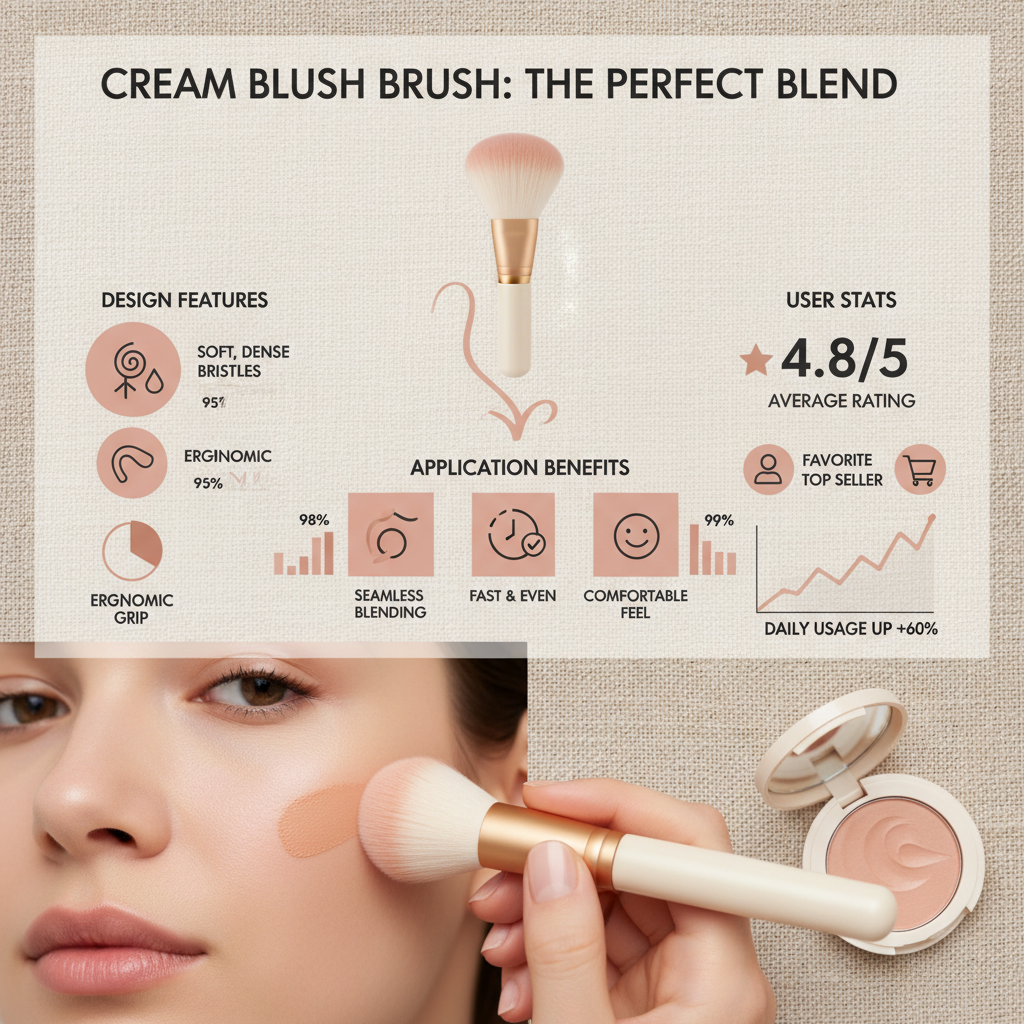
Blending is key to a natural-looking cream blush application. Use gentle, circular motions or stippling motions to blend the product into the skin. Start with a small amount of product and build up the intensity gradually. Focus on blending along the cheekbones, extending slightly towards the temples. Ensure there are no harsh lines and that the blush seamlessly integrates with your foundation and other makeup products. A clean brush or sponge can help diffuse the edges for a more natural finish.
Are there specific brushes for different cream blush textures (e.g., stick vs. pot)?
Yes, the texture of your cream blush can influence brush choice. For cream blush sticks, a stippling brush or a flat brush can work well to diffuse the product. For cream blushes in pots, a flat or angled brush offers more control for precise application. A denser brush is generally preferred for thicker cream formulas, while a lighter brush may be suitable for thinner textures. Experiment with different brush types to find what works best for your specific cream blush formulation.