

Mar . 28, 2026 03:11
What Brush to Use for Contour: A Comprehensive Guide
Achieving a perfectly sculpted look with contouring relies heavily on the right tools. Choosing the correct contour brush can make all the difference between a seamless blend and harsh lines. This guide dives deep into the world of contour brushes, exploring different types, bristles, and techniques to help you find the perfect match for your needs and skill level. We’ll explore how selecting the appropriate brush will ensure you achieve a naturally defined and professional finish.
Understanding Contour Brush Shapes
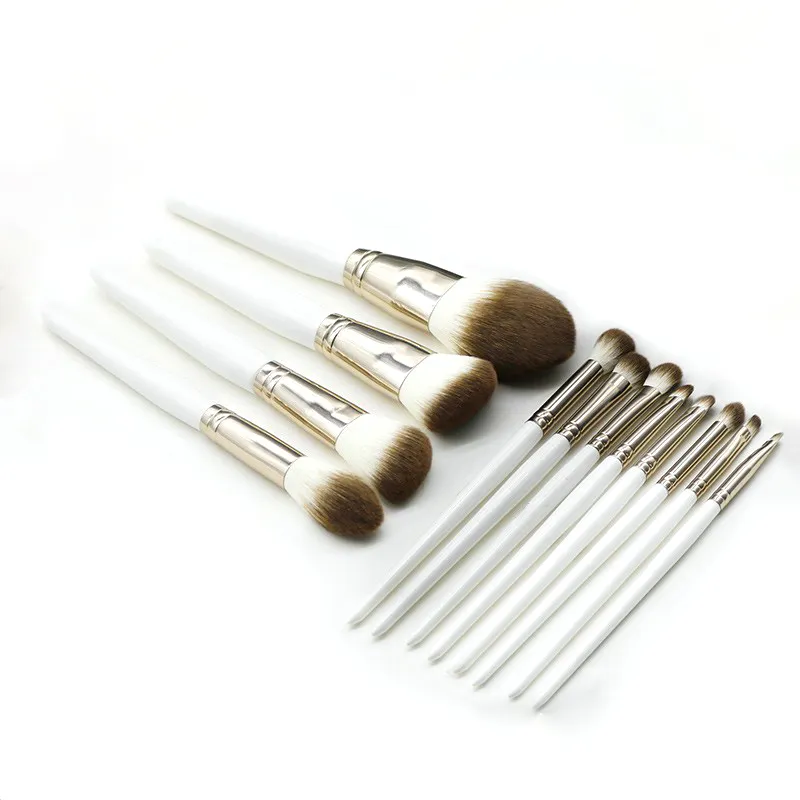
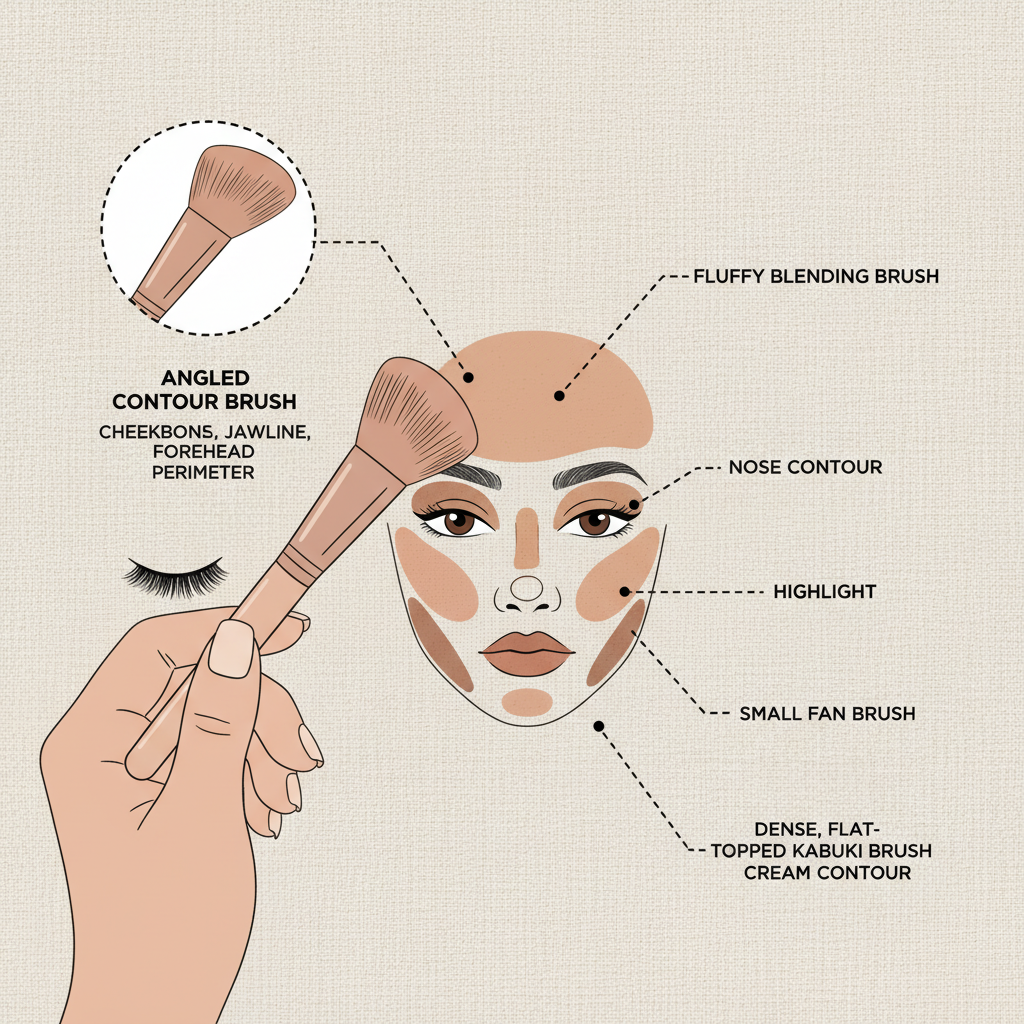
Contour brushes come in various shapes, each designed for a specific purpose and application technique. The shape significantly impacts the precision and intensity of your contour. Let's break down the most common types: angled, tapered, and fluffy. An angled brush excels at defining cheekbones, while a tapered brush is ideal for precise sculpting along the jawline and nose. A fluffy brush offers a softer, more diffused application – perfect for creating a subtle shadow.
Key Takeaway: The brush shape should align with the area you're contouring. Angled for cheeks, tapered for precision, and fluffy for softer blending.
Brush Bristles: Natural vs. Synthetic
The type of bristles—natural or synthetic—also plays a crucial role. Natural bristles tend to pick up powder products more effectively and distribute them evenly, creating a softer, airbrushed look. However, they require more frequent cleaning and may not be ideal for cream or liquid contours. Synthetic bristles are easier to clean, more hygienic, and work well with all types of contour products. They offer more control and precision, particularly with cream formulations. Lansky Beauty's brushes offer both options, catering to diverse preferences.
Bristle Comparison:
• Natural Bristles: Soft application, ideal for powder, requires more cleaning.
• Synthetic Bristles: Easy to clean, hygienic, versatile for all formulas.
• Control: Synthetic bristles offer greater control for precise application.
What Brush to Use for Contour: A Detailed Breakdown
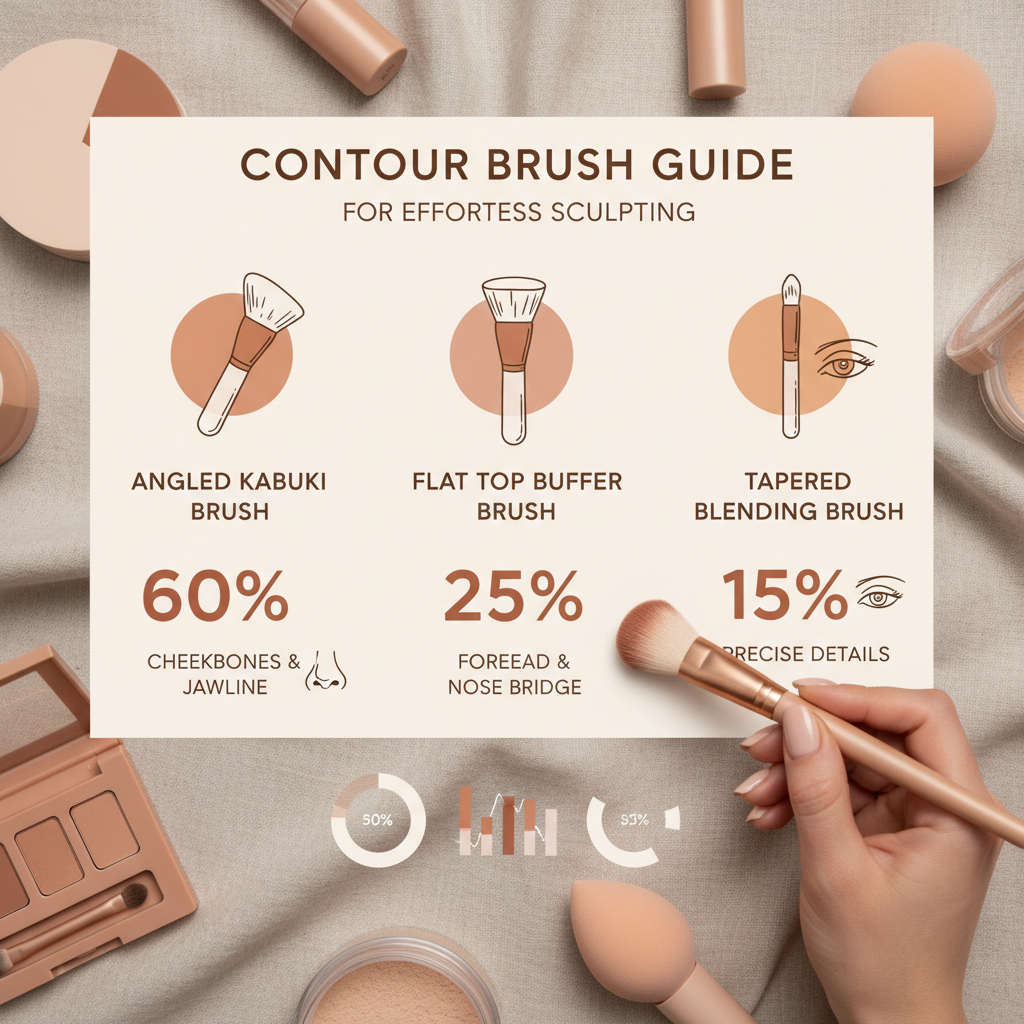
Now, let’s get specific. Here's a guide to which brush is best for each area of the face:
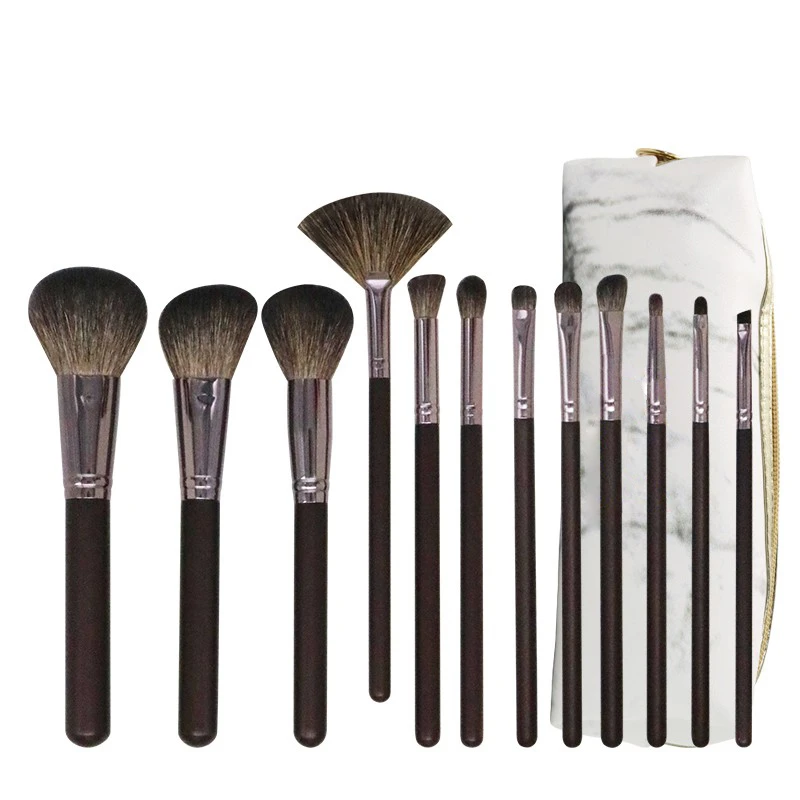
Contour Brush Sets & Individual Options from Lansky Beauty
Lansky Beauty offers a curated selection of contour brushes, catering to both beginners and professionals. We provide both individual brushes and complete sets, allowing you to build a collection that meets your specific needs. Our brushes are crafted with high-quality materials and designed for optimal performance, ensuring a flawless contour every time.
Taking Care of Your Contour Brushes
Proper brush care is essential for maintaining their quality and hygiene. Regularly cleaning your brushes (at least once a week) prevents bacteria buildup and ensures optimal performance. Use a gentle brush cleanser and allow them to air dry completely. Storing your brushes correctly – ideally in a case or upright in a holder – will protect the bristles and extend their lifespan. Investing in good brushes and maintaining them properly is key to achieving professional-looking results.
Conclusion: Find Your Perfect Contour Companion
Choosing the right contour brush is a crucial step in mastering the art of sculpting. By understanding the different shapes, bristle types, and applications, you can achieve a flawless, natural-looking contour. Explore the range of brushes available at Lansky Beauty and find the perfect tools to elevate your makeup game.
Frequently Asked Questions (FAQs)
How often should I replace my contour brushes?
It’s recommended to replace your contour brushes every 1-2 years, even with diligent cleaning. Over time, bristles can become worn, frayed, or harbor bacteria despite regular washing. The lifespan also depends on how frequently you use the brushes and the quality of the materials. Signs that it’s time for a replacement include difficulty blending, shedding bristles, or a change in the brush's shape. Investing in new brushes periodically ensures optimal performance and hygiene.
Can I use the same contour brush for powder and cream products?
While technically possible, it's not ideal. Cream products can leave residue on natural bristles, making them difficult to clean thoroughly and potentially affecting the application of powder products. Similarly, applying powder with a brush that has been used for cream can disrupt the powder’s finish. It’s best to have separate brushes for powder and cream contours to maintain optimal performance and prevent contamination.
How do I clean my contour brushes effectively?
To clean your contour brushes effectively, gently swirl them in a brush cleanser or mild shampoo diluted in lukewarm water. Avoid getting water into the ferrule (the metal part). Rinse thoroughly under running water until the water runs clear. Gently squeeze out excess water and reshape the bristles. Lay the brushes flat to air dry, avoiding direct sunlight or heat. Ensure the brushes are completely dry before using them to prevent bacteria growth.
What's the best way to store my contour brushes?
The best way to store your contour brushes is upright in a brush holder or case. This helps maintain the shape of the bristles and prevents them from becoming bent or damaged. Avoid storing brushes flat, as this can cause water to seep into the ferrule and loosen the glue. You can also use brush guards to protect the bristles from dust and debris.