

Mar . 21, 2026 02:59
Achieve Flawless Definition: A Guide to Contour Brushes for Makeup
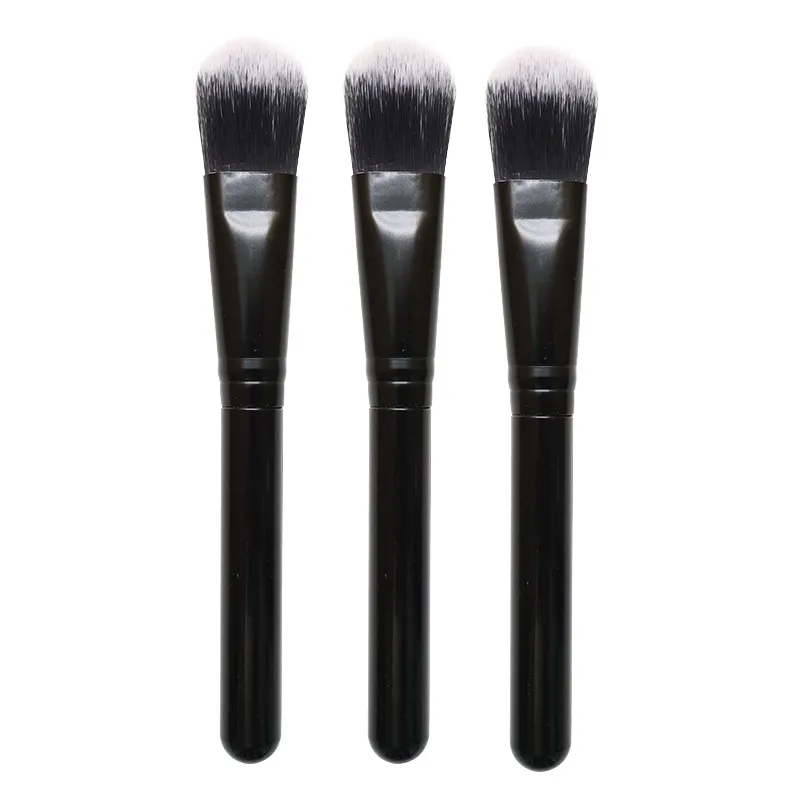
Contouring has become a cornerstone of modern makeup artistry, allowing individuals to sculpt and define their facial features. The key to a seamless and professional contour lies in the right tools, and a high-quality contour brush makeup is paramount. This article dives deep into the world of contour brushes, exploring the different types, materials, and techniques to help you achieve a flawlessly sculpted look. Whether you’re a makeup beginner or a seasoned pro, understanding contour brushes will elevate your artistry.
Understanding the Different Types of Contour Brushes
Contour brushes aren’t one-size-fits-all. Different shapes and sizes are designed for specific applications. Angled brushes are ideal for carving out cheekbones, while fluffy brushes work best for blending. Smaller, pointed brushes are perfect for contouring the nose, and larger brushes can be used for broader areas like the jawline. Choosing the right brush depends on your face shape, contouring goals, and preferred product formula (powder, cream, or liquid). Investing in a variety of brushes will give you the versatility to achieve different looks.
Key Takeaway: Selecting the right brush is pivotal for achieving a precise and blended contour. Experiment with different shapes to discover what works best for your face.
Brush Bristles: Natural vs. Synthetic
The material of the brush bristles significantly impacts the application process. Natural brushes, often made from goat or squirrel hair, are known for their softness and ability to pick up and distribute powder products beautifully. However, they require more maintenance and can be less effective with cream or liquid formulas. Synthetic brushes, on the other hand, are cruelty-free, easier to clean, and perform exceptionally well with all product types. They’re also more durable and affordable. Lansky Beauty offers a fantastic range of both natural and synthetic contour brush makeup options to suit every preference.
Bristle Comparison:
• Natural: Soft, excellent for powder, requires more care.
• Synthetic: Cruelty-free, versatile, easy to clean, durable.
Choosing the Right Contour Brush Makeup for Your Face Shape
Your face shape plays a crucial role in determining the best contour brush for you. For round faces, an angled brush is ideal for creating definition along the cheekbones. Square faces benefit from soft, rounded brushes to soften angles. Oval faces can experiment with various brushes, while heart-shaped faces may find a tapered brush best for contouring the forehead. Knowing your face shape and selecting a brush accordingly will ensure a balanced and flattering contour.
Brush Care and Maintenance for Longevity
Proper brush care is essential for maintaining their performance and extending their lifespan. Regularly cleaning your brushes removes accumulated makeup, bacteria, and oils. For natural brushes, use a gentle brush cleanser and lukewarm water. For synthetic brushes, you can use a more thorough cleansing method. Avoid harsh chemicals or drying brushes with excessive heat. Investing in good quality brushes from a reputable brand like Lansky Beauty will ensure they withstand regular cleaning and use.
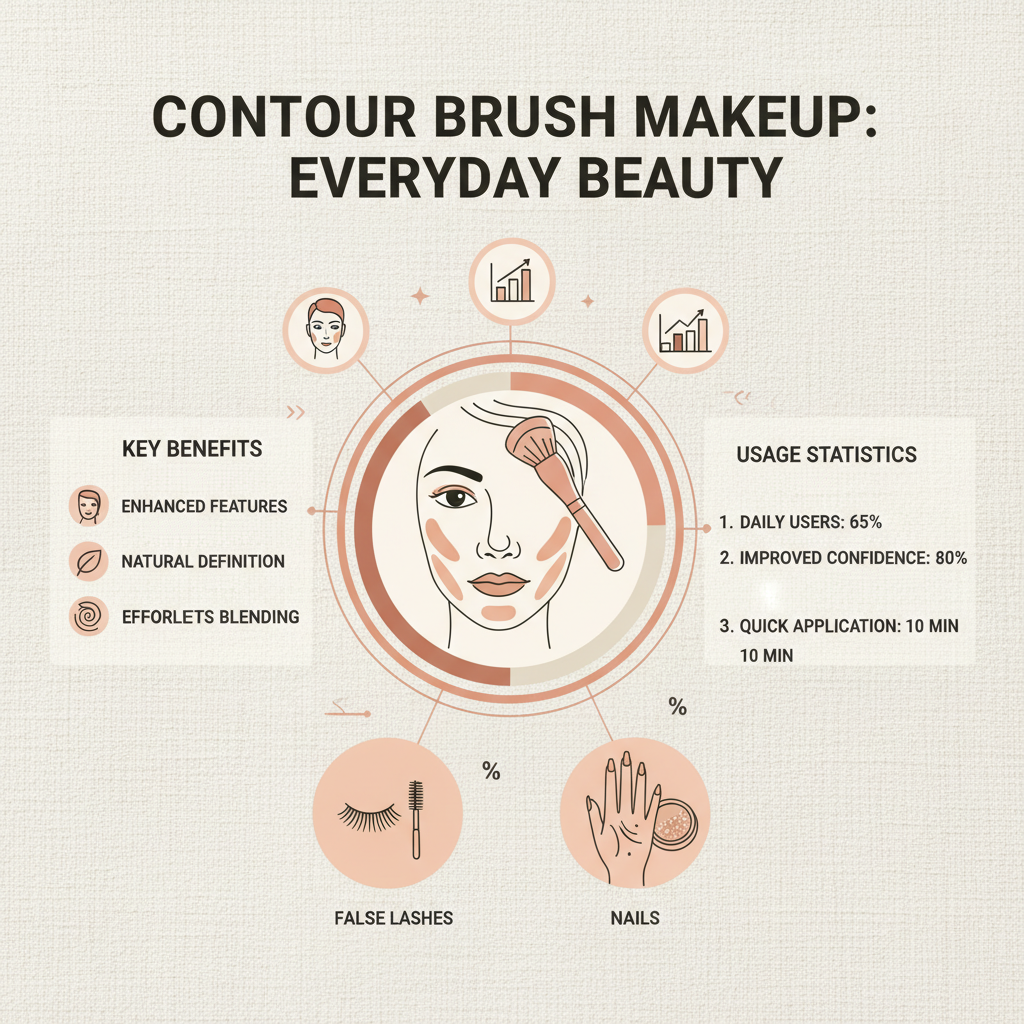
Product Specifications: Lansky Beauty Contour Brush Set
The Lansky Beauty Contour Brush Set is designed to provide everything you need for a professional contouring experience. Here’s a breakdown of the included brushes:
Conclusion: Elevate Your Contouring Game
Mastering the art of contouring requires understanding the tools of the trade, and a high-quality contour brush makeup is fundamental. By considering your face shape, product preferences, and brush care, you can achieve a flawless and sculpted look. Explore the comprehensive range of brushes at Lansky Beauty to find the perfect tools to enhance your artistry.
Frequently Asked Questions (FAQs)
How often should I clean my contour brushes?
Ideally, you should clean your contour brushes after every use. This prevents the buildup of bacteria and ensures optimal performance. If you use your brushes daily, a deeper clean with a brush cleanser at least once a week is recommended. Even if you don’t use them daily, cleaning them monthly will help maintain their quality and hygiene. Dirty brushes can lead to breakouts and hinder the smooth application of makeup. Maintaining clean brushes is crucial for both your skin's health and the quality of your makeup application. A quick wipe with a brush cleaner after each use can significantly extend the time between deep cleans.
What's the best way to blend contour?
Blending is the key to a natural-looking contour. Start by applying contour product to the hollows of your cheeks, along your jawline, and on the sides of your nose. Then, use a clean, fluffy blending brush to buff the product outwards and upwards in circular motions. The goal is to seamlessly blend the contour into your foundation and highlight, creating a shadow effect without harsh lines. Avoid dragging the brush across the skin; instead, focus on gentle buffing and blending. Remember, less is more – you can always add more product, but it’s harder to remove excess contour.
Can I use the same brush for powder and cream contour?
It’s generally not recommended to use the same brush for both powder and cream contour. Powder formulas can cling to the bristles of a brush previously used with cream products, affecting the application and blendability of the powder. It’s best to have separate brushes for each formula to ensure a smooth and even application. If you must use a single brush, clean it thoroughly between applications to remove any residual product. Lansky Beauty offers brush sets specifically designed for both powder and cream application, simplifying your routine.
What is the best contour shade for fair skin?
For fair skin tones, it’s crucial to choose a contour shade that is only 1-2 shades darker than your natural skin tone. Avoid shades that are too warm or orange, as these can look unnatural. A cool-toned taupe or light brown shade is typically the most flattering for fair skin. The goal is to create a subtle shadow, not a drastic color change. Start with a small amount of product and build up the intensity gradually to avoid over-contouring. Always blend thoroughly for a seamless and natural look.