

Mar . 31, 2026 02:59
Contour Brush How to Use: A Comprehensive Guide
Mastering the art of contouring can dramatically enhance your features, creating definition and dimension. A key tool in achieving this sculpted look is the contour brush. But with so many shapes and sizes available, knowing how to use a contour brush effectively can be daunting. This guide will break down everything you need to know, from choosing the right brush to applying the product like a pro. We’ll cover techniques for various face shapes, product recommendations, and common mistakes to avoid, ensuring you achieve a flawless, naturally sculpted look.
Choosing the Right Contour Brush
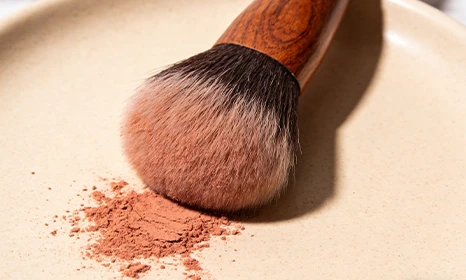
Selecting the appropriate contour brush is crucial for successful application. Generally, angled brushes are ideal for precise contouring, especially under the cheekbones. Fluffy, rounded brushes are better for blending, creating a softer, more diffused look. Different bristles offer different levels of control – synthetic bristles work well with cream products, while natural bristles are suited for powders. Consider your skill level and desired intensity when making your selection.
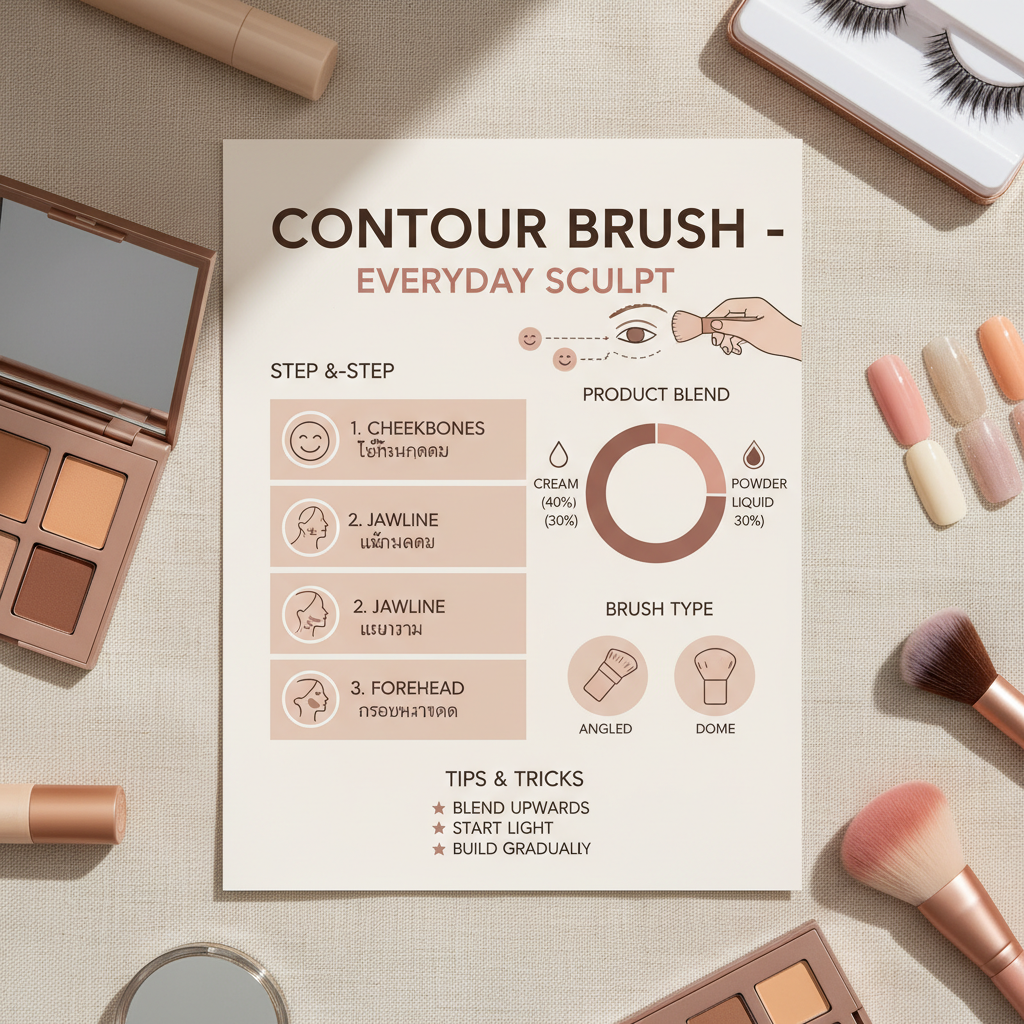
Brush Types at a Glance: Angled brushes deliver precision, fluffy brushes create softness, synthetic bristles suit creams, and natural bristles suit powders.
How to Use a Contour Brush: Step-by-Step
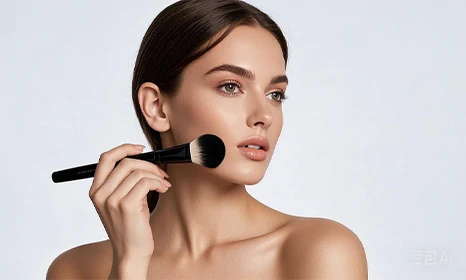
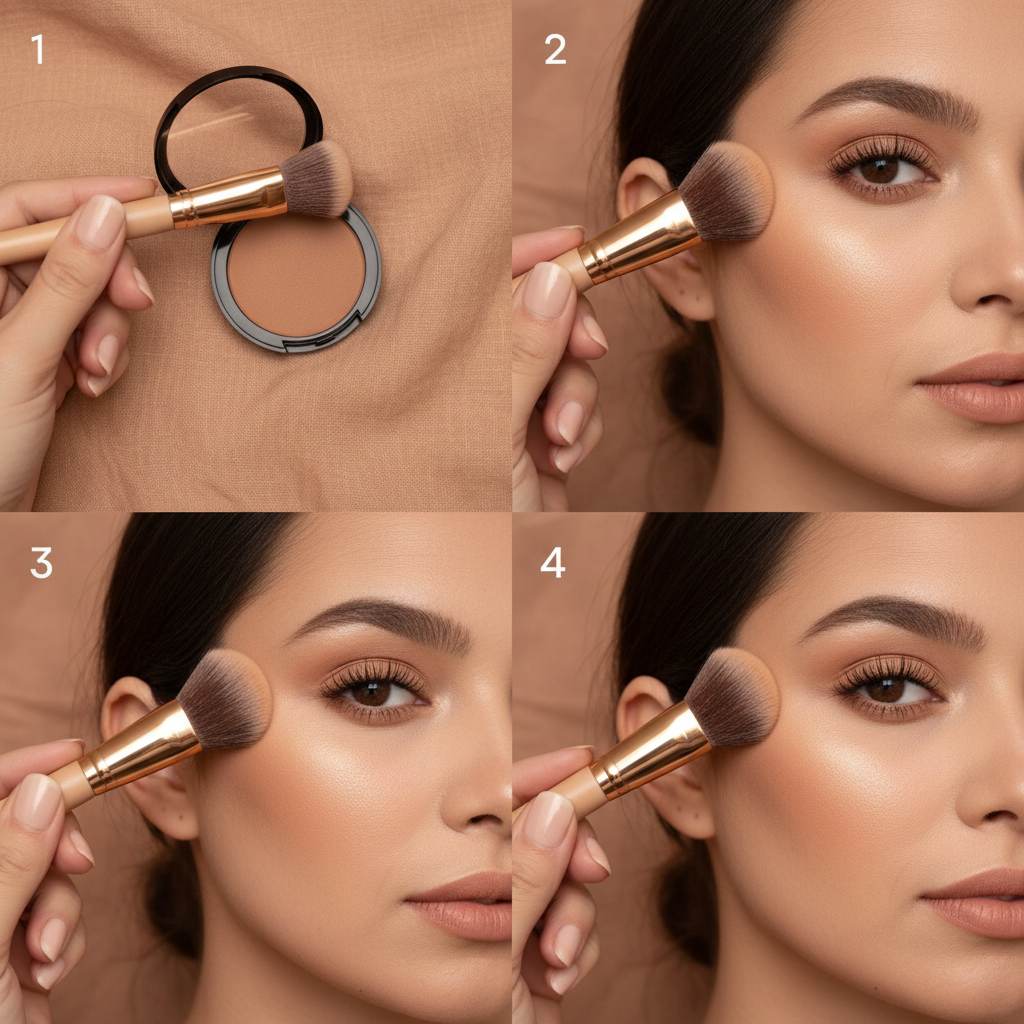
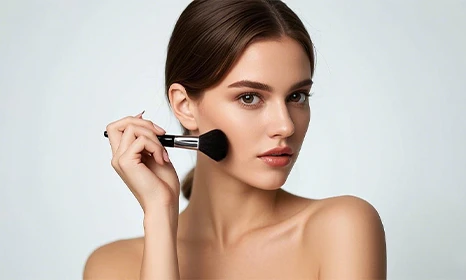
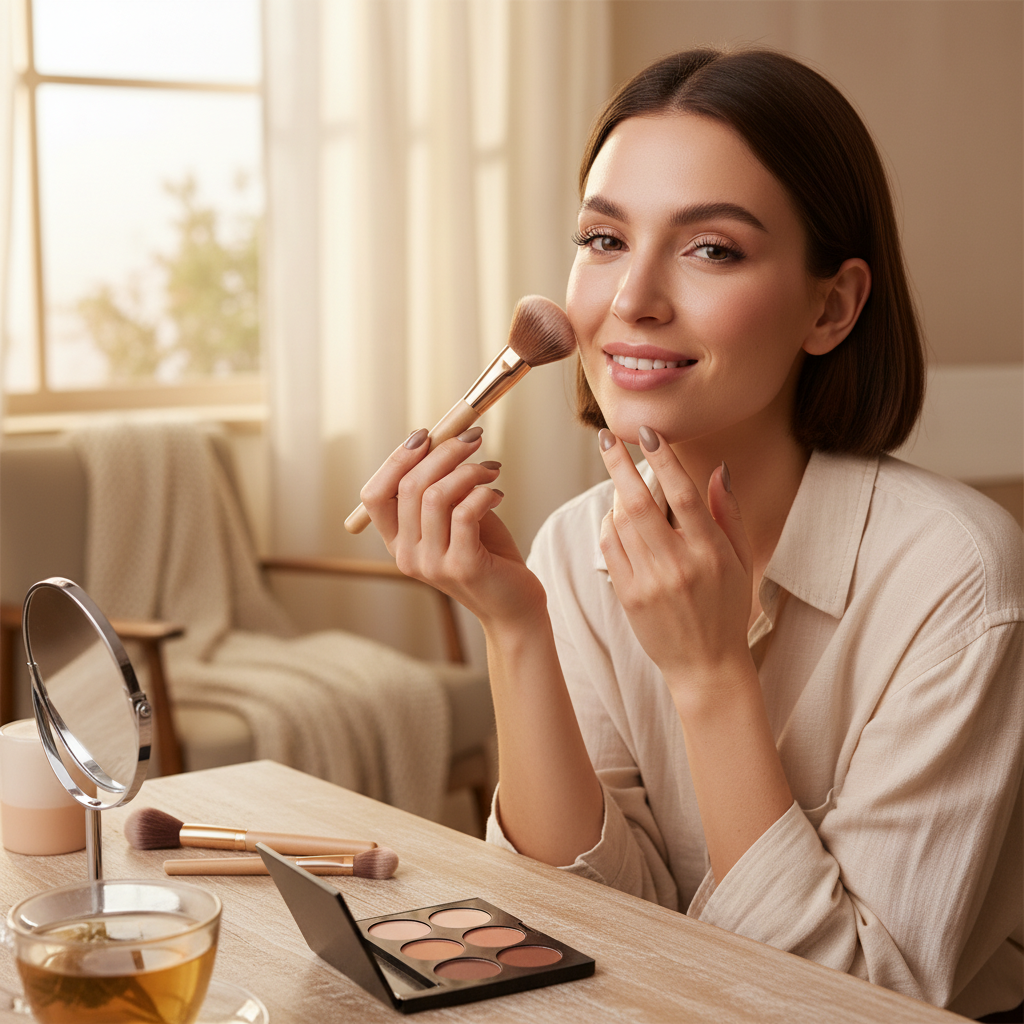
Now let’s dive into the application process. Begin by locating your cheekbones – feel for the bone structure under your skin. Apply your contour product (powder or cream) to the brush, tapping off any excess. Start at the top of your ear and sweep the brush downwards, following the natural hollow of your cheekbone. Avoid bringing the contour too close to the mouth. Blend, blend, blend! Using a clean, fluffy brush, soften the lines to create a seamless finish. Remember, the goal is to create a shadow, not a harsh line.
Contouring Tips:
• Start with a small amount of product and build up the intensity.
• Blend thoroughly to avoid harsh lines.
• Use a lighter hand for a more natural look.
• Adjust the placement based on your face shape.
Contour Brush Types: A Detailed Comparison
Understanding the differences between various contour brush types can help you tailor your technique for optimal results. Let’s compare some popular options:
Contouring for Different Face Shapes
The ideal contour placement varies based on your face shape. For round faces, focus on contouring beneath the cheekbones to create definition. Square faces benefit from softening the jawline. Heart-shaped faces should contour along the temples to balance the forehead. Oval faces can get away with lighter contouring, simply emphasizing existing structure. Understanding your face shape is key to achieving a flattering contour.
Product Recommendations & Lansky Beauty’s Range
At Lansky Beauty, we offer a curated selection of contour brushes designed for professional results. From angled brushes for precise application to fluffy brushes for seamless blending, you'll find the perfect tool for your needs. We also carry a range of contour powders and creams in various shades to complement your skin tone. Check out our collection today and elevate your contouring game!
Conclusion: Master the Art of Contouring
With the right tools and techniques, you can transform your look with the power of contouring. A quality contour brush, combined with skillful application, is the key to achieving a sculpted, defined appearance. Explore the options at Lansky Beauty and discover the perfect brush to unlock your contouring potential.
Frequently Asked Questions (FAQs)
What's the best way to clean my contour brush?
Cleaning your contour brush regularly is essential for hygiene and optimal performance. Gently swirl the bristles in a brush cleanser, or use a mild soap and water solution. Rinse thoroughly until the water runs clear and allow the brush to air dry horizontally. Avoid drying the brush upright, as water can seep into the ferrule and loosen the bristles. A clean brush ensures smooth application and prevents bacteria buildup.
Can I use a contour brush for other makeup applications?
While primarily designed for contouring, a fluffy contour brush can also be used for applying blush or bronzer for a softer, more diffused effect. However, it's best to have dedicated brushes for different products to avoid color transfer and maintain optimal application. Using separate brushes ensures a cleaner, more professional finish.
How do I choose the right contour shade for my skin tone?
Selecting the appropriate contour shade is crucial for a natural-looking result. For fair skin tones, opt for a shade that’s 2-3 shades darker than your skin tone with cool undertones. Medium skin tones can use shades that are 2-3 shades darker with neutral undertones. Deep skin tones can use shades that are 1-2 shades darker with warm undertones. Avoid contour shades that are too orange or reddish, as they can appear unnatural.
What are some common contouring mistakes to avoid?
Common mistakes include using too much product, harsh lines, and incorrect placement. Start with a small amount of product and build up gradually. Always blend thoroughly to soften the lines. Pay attention to your face shape and adjust the placement accordingly. Avoid bringing the contour too close to the mouth or nose, as this can create an unnatural look.