

Mar . 17, 2026 02:59
Mastering the Art of Definition: A Guide to the Contour Brush
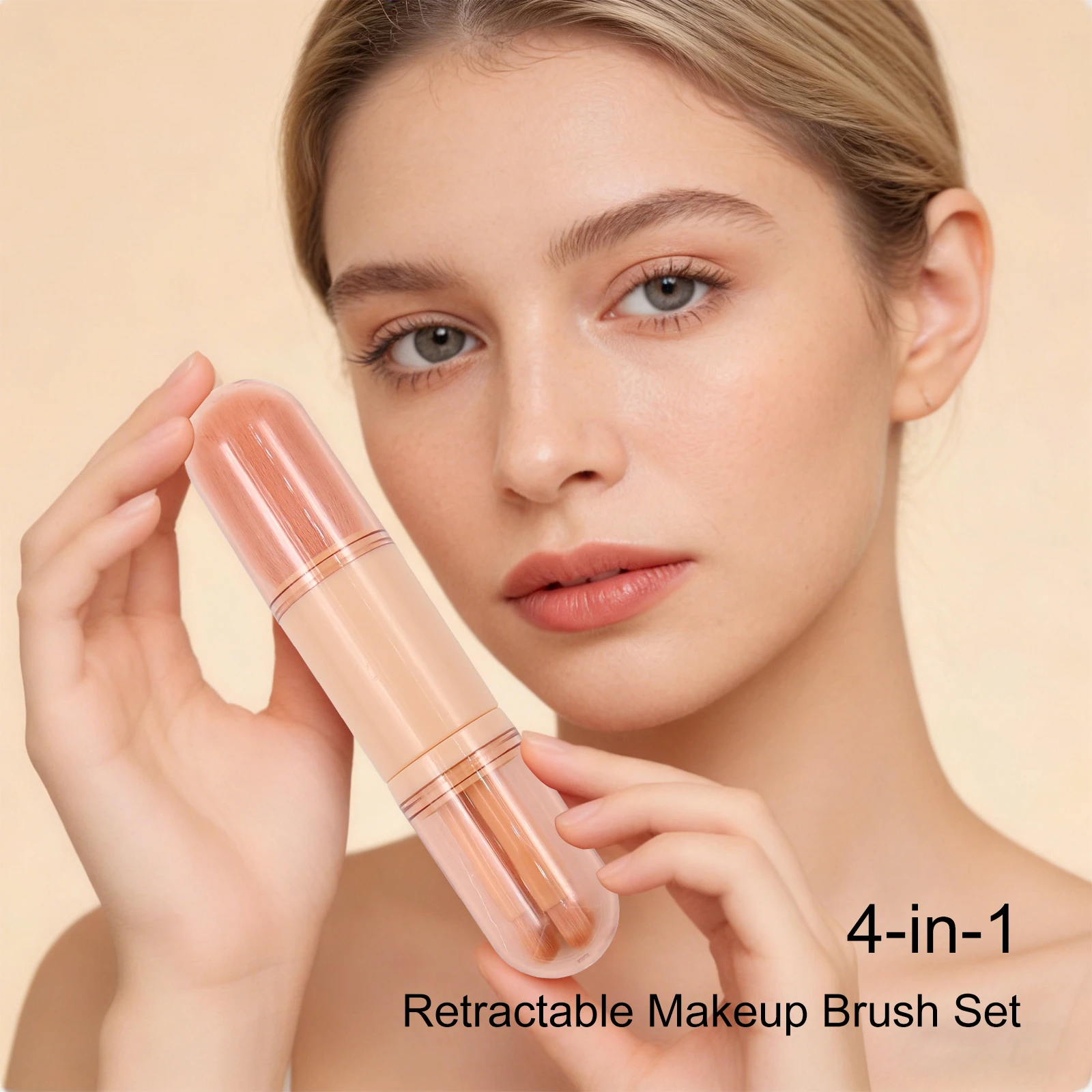
Achieving a sculpted and defined look has become a staple in modern makeup artistry. At the heart of this transformation lies a seemingly simple tool: the contour brush. But with a myriad of shapes and bristles available, selecting the right brush can feel overwhelming. This guide delves into the world of contour brushes, exploring their types, benefits, and how to choose the perfect one for your features and desired outcome. We'll unlock the secrets to a flawlessly contoured complexion.
Understanding Contour Brush Shapes
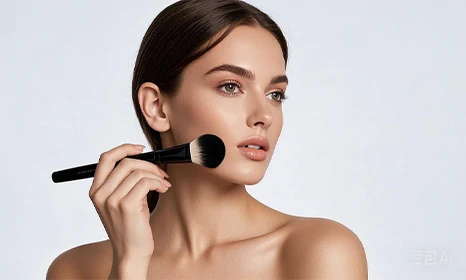
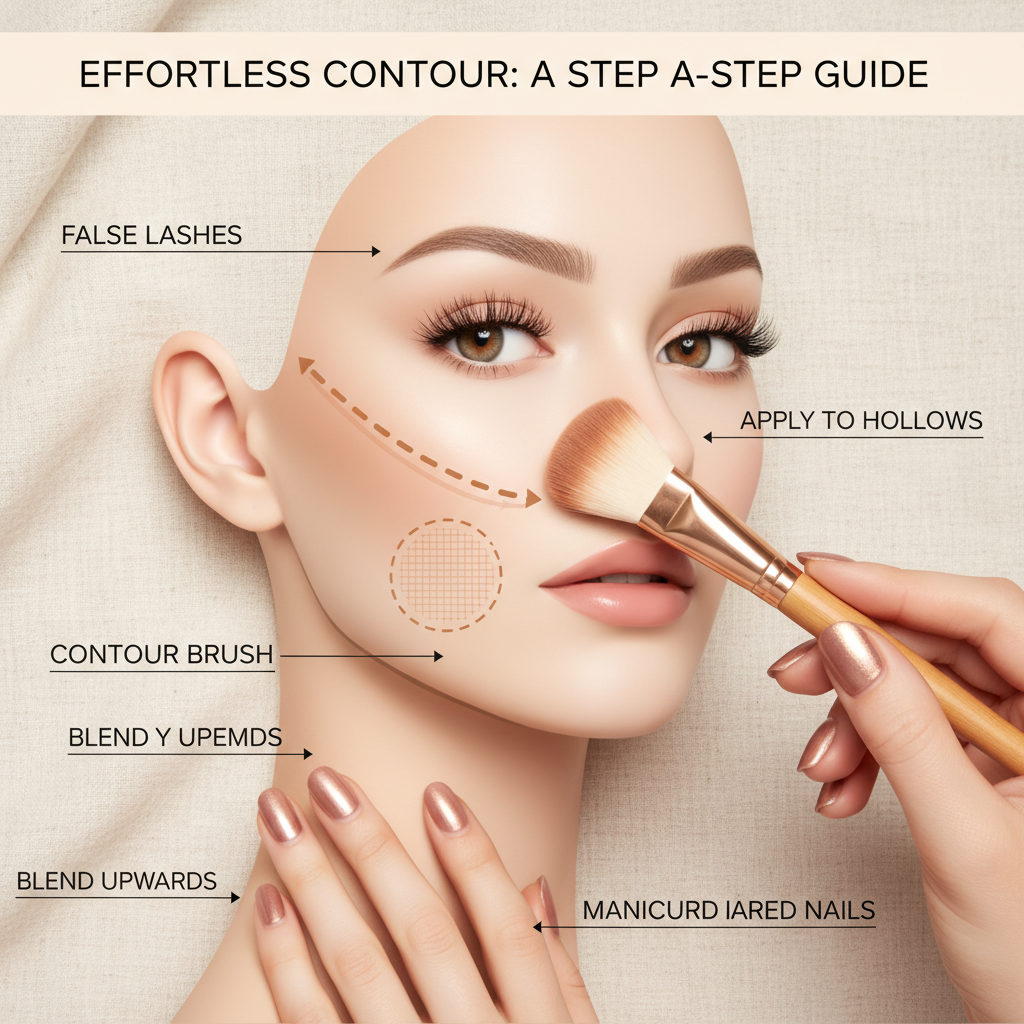
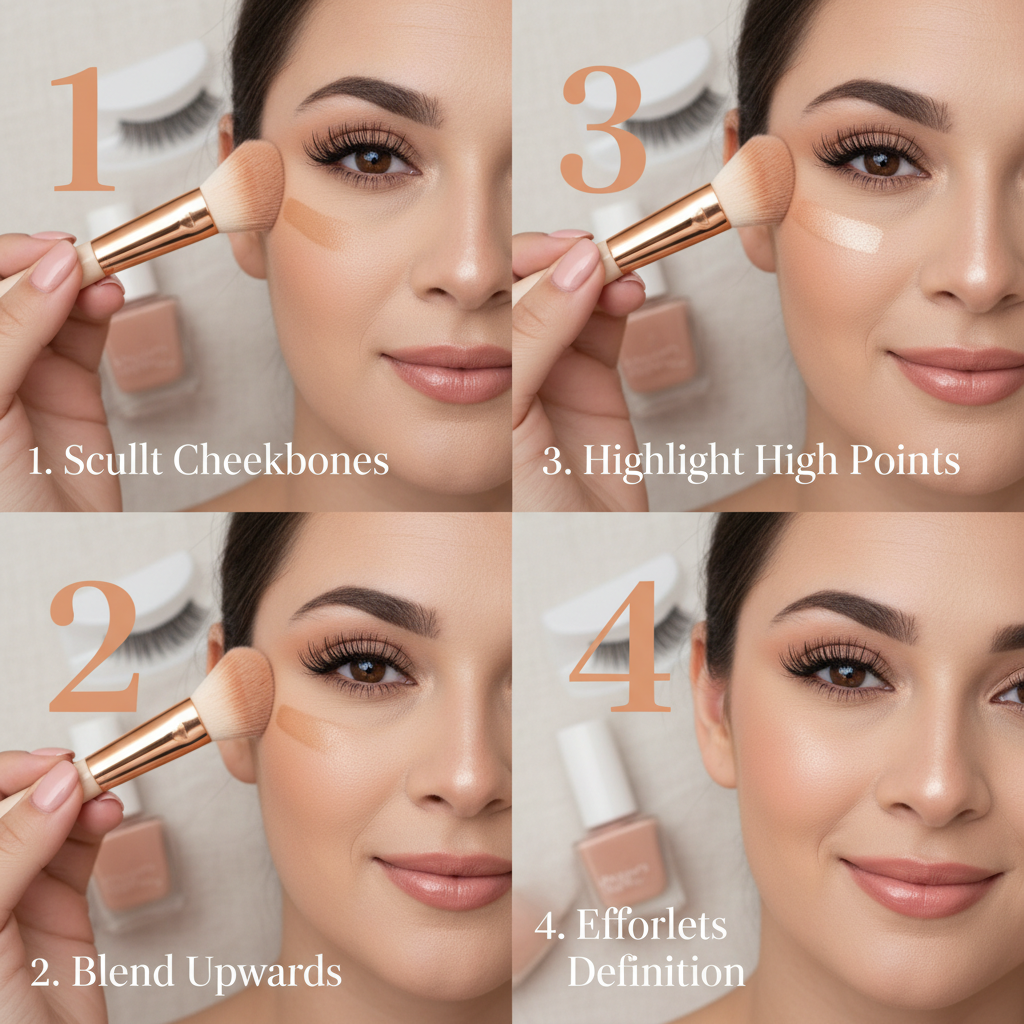
The shape of your contour brush significantly impacts the precision and intensity of your contour. Angled brushes are excellent for creating sharp, defined lines along the cheekbones, jawline, and temples. Fluffy, rounded brushes deliver a softer, more diffused contour, ideal for a natural look. Flat brushes provide buildable coverage and are versatile for both powders and creams. Choosing the right shape hinges on your face shape and the level of definition you're aiming for. Experimentation is key to discovering what works best for you.
Bristle Types: Natural vs. Synthetic
Bristle type is another crucial factor. Natural brushes, typically made from goat or squirrel hair, excel at picking up and blending powder products. They offer a softer feel and create a more airbrushed finish. However, they require more frequent cleaning and are less suitable for cream products. Synthetic brushes, crafted from nylon or taklon, are ideal for creams, liquids, and powders. They're easier to maintain, hypoallergenic, and provide more precise application. Ultimately, the best bristle type depends on your preferred product formulas and skincare sensitivities.
Key Takeaway: Synthetic brushes are excellent for all product types and easier to clean, while natural brushes excel with powders and offer a softer feel.
Choosing the Right Contour Brush for Your Face Shape
Your face shape dictates the ideal contour brush and technique. Round faces benefit from angled brushes applied beneath the cheekbones to create definition. Square faces soften with rounded brushes blended along the jawline. Oval faces are well-balanced and can use various brush shapes. Long faces require contouring along the hairline and chin to visually shorten the face. Understanding your face shape and adapting your contouring approach accordingly is essential for a natural, flattering result.
Contour Brush Guide by Face Shape:
• Round Face: Angled brush, apply under cheekbones.
• Square Face: Rounded brush, blend along jawline.
• Oval Face: Versatile – experiment with various shapes.
• Long Face: Contour hairline and chin.
Contour Brush Comparison: Lansky Beauty Options
Lansky Beauty offers a diverse range of contour brushes, each designed for specific techniques. Here’s a comparison to help you choose:
Caring for Your Contour Brush
Proper brush care extends its lifespan and maintains optimal performance. Clean your contour brush regularly – at least once a week – with a gentle brush cleanser. Avoid harsh soaps that can damage the bristles. Allow the brush to air dry completely, bristles facing down, to prevent water from entering the ferrule. Storing your brushes in a clean, dry place will also help preserve their quality.
Conclusion: Empowering Your Contouring Skills
Selecting the right contour brush is more than just a cosmetic choice; it's an investment in your makeup artistry. By understanding the nuances of brush shapes, bristle types, and proper care, you can unlock the power to sculpt and define your features with confidence. Explore the range of options at Lansky Beauty and embark on a journey to master the art of contouring.
Frequently Asked Questions (FAQs)
How often should I replace my contour brush?
Generally, replace your contour brush every 1-2 years, even with proper cleaning. Over time, bristles can become worn, lose their shape, and harbor bacteria. Signs it's time to replace your brush include shedding bristles, difficulty blending product, or a change in the brush's feel. Regularly inspecting your brushes for wear and tear will ensure optimal performance and hygiene. Investing in quality brushes, like those from Lansky Beauty, can extend their lifespan.
Can I use the same contour brush for cream and powder products?
While technically possible, it's best to use separate brushes for cream and powder products. Cream formulas can clog the bristles of a brush designed for powder, making it difficult to blend and potentially affecting its shape. Using a synthetic brush for creams and a natural brush for powders is the ideal approach. If you must use one brush for both, thoroughly clean it with a brush cleanser after each use to prevent product buildup.
What's the best way to clean my contour brush?
To clean your contour brush, wet the bristles with lukewarm water and apply a brush cleanser. Gently swirl the brush in the cleanser, working up a lather. Rinse thoroughly until the water runs clear. Reshape the bristles and lay the brush flat or bristles-down to air dry completely. Avoid using hot water, which can damage the bristles, and never dry the brush with a hairdryer.