

Nov . 07, 2025 20:20
Self-Adhesive False Lashes: Field Notes, Tech Specs, and What Buyers Are Really Choosing in 2025
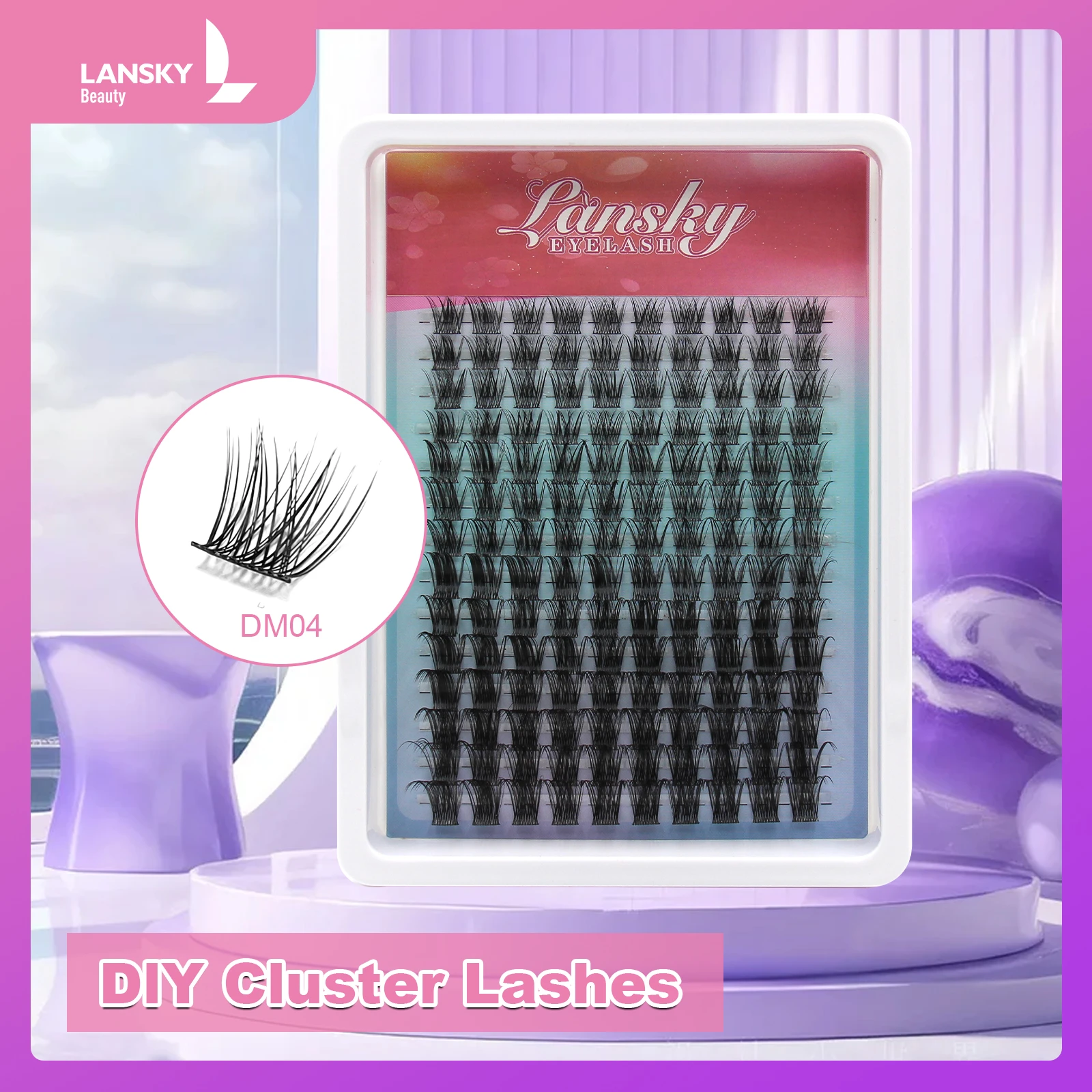
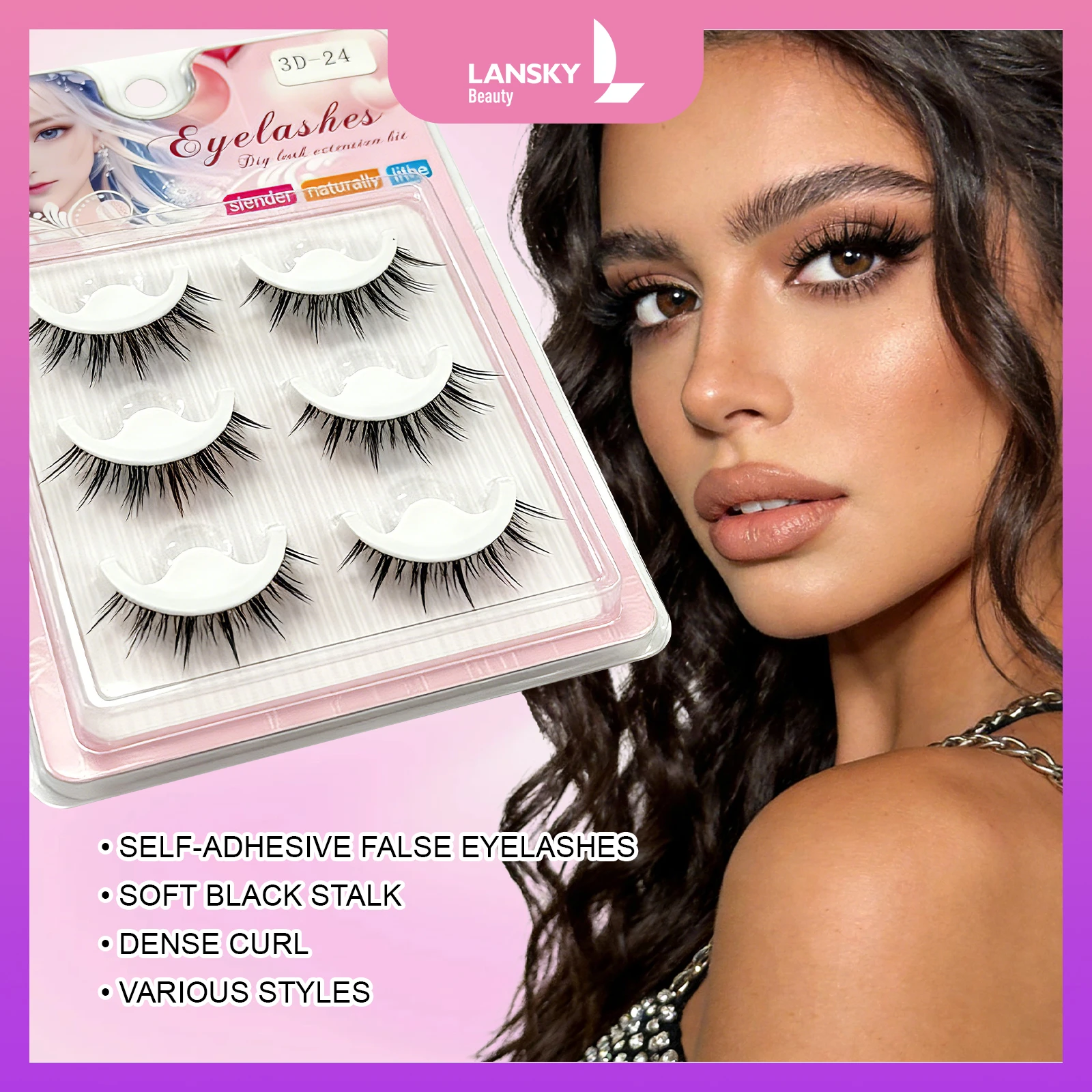
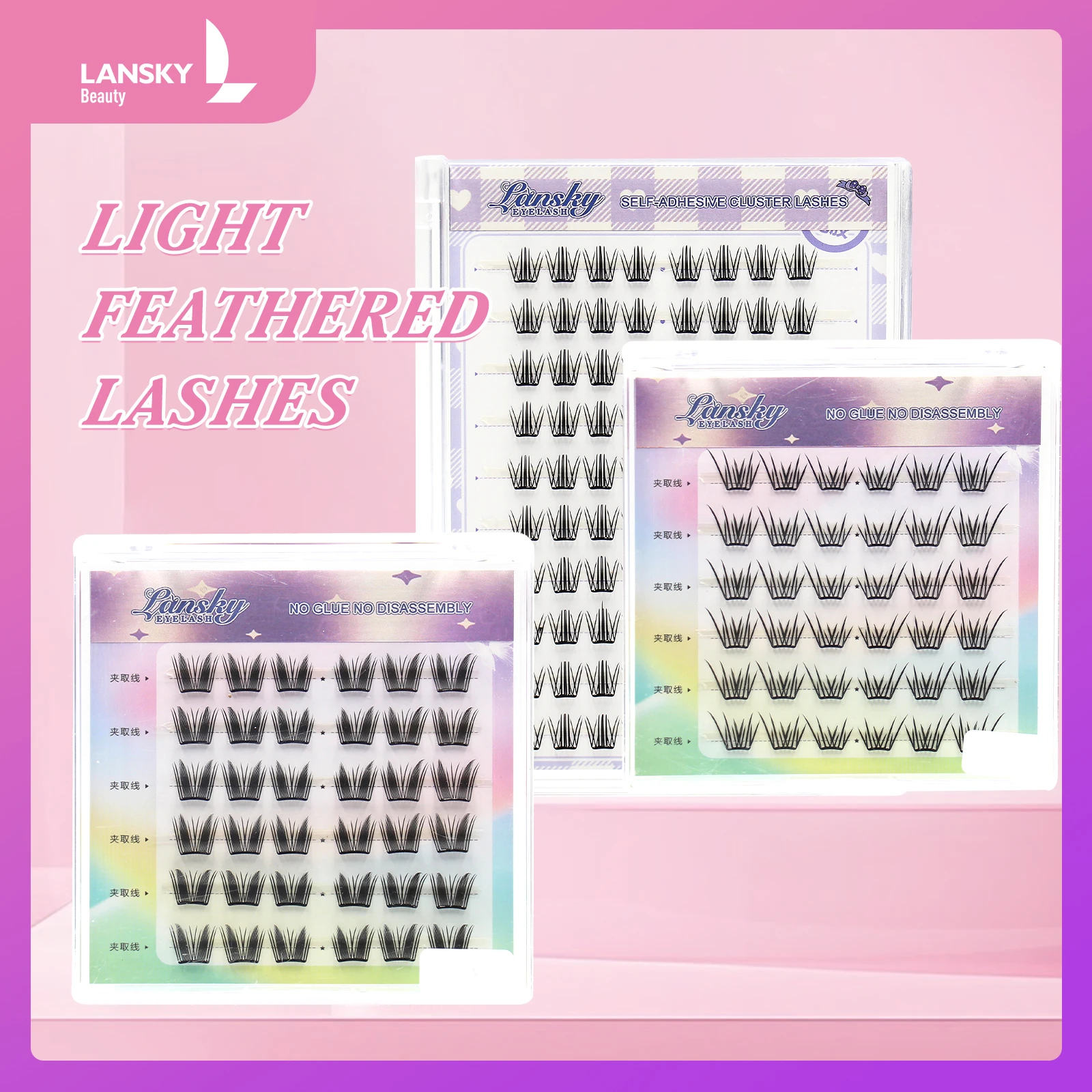
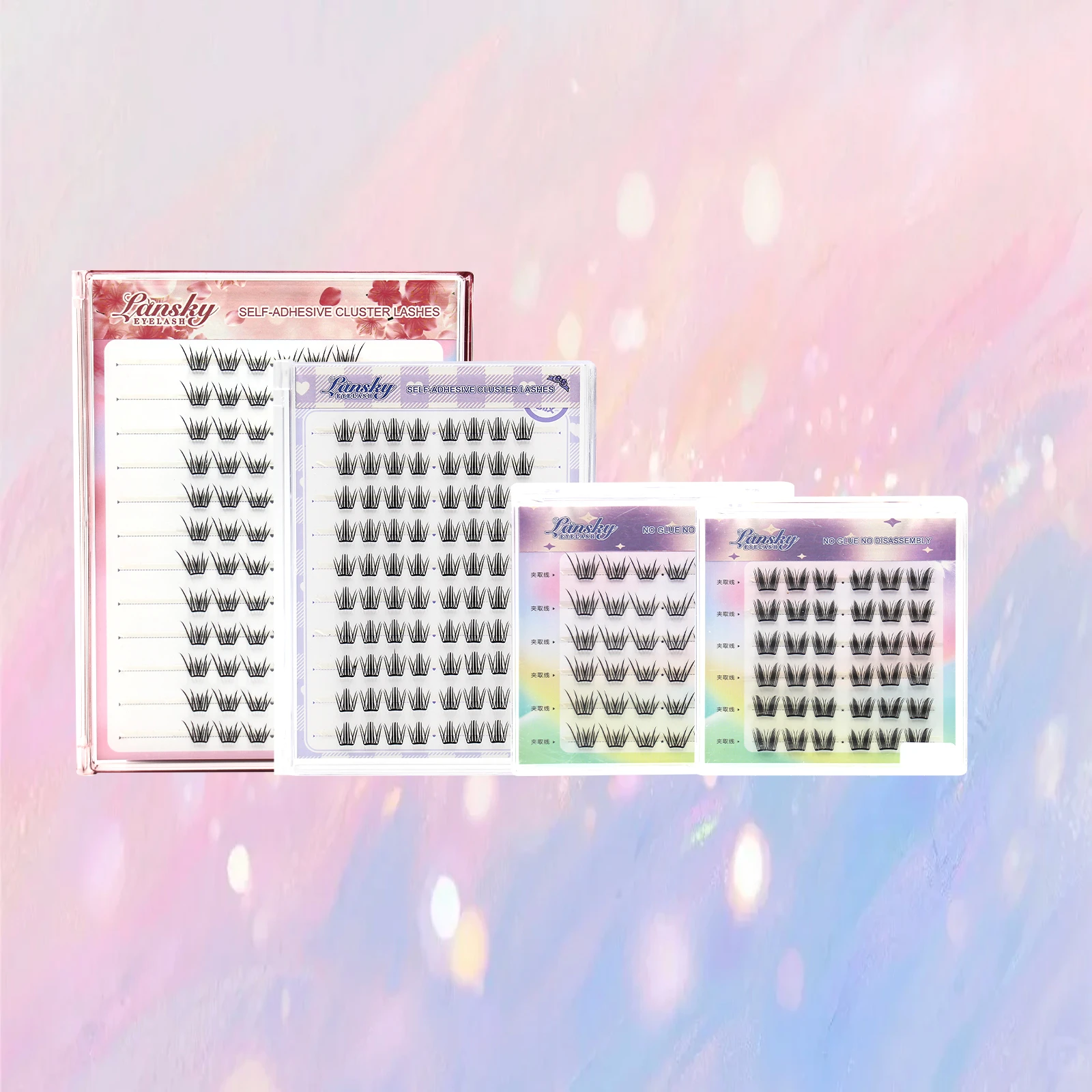
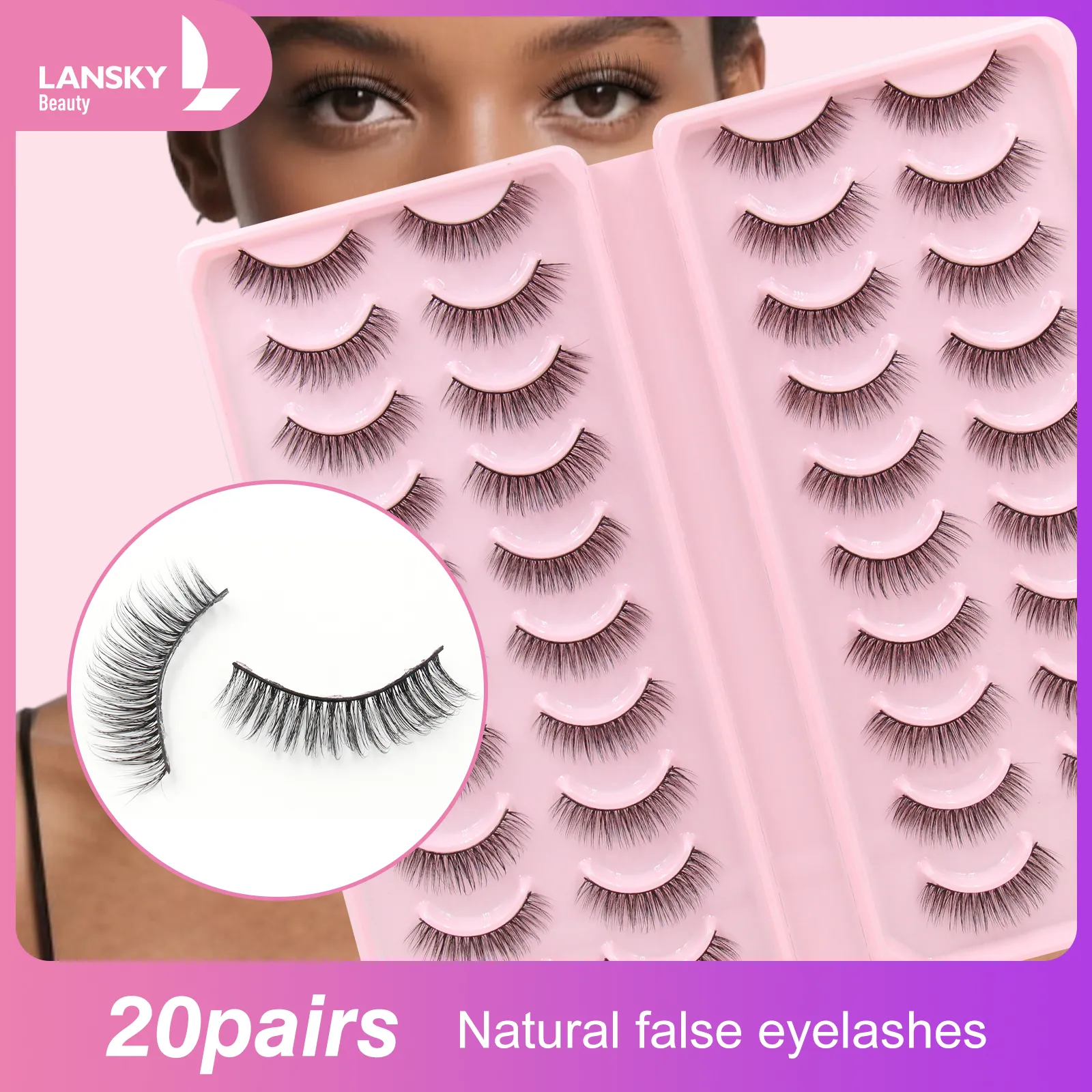
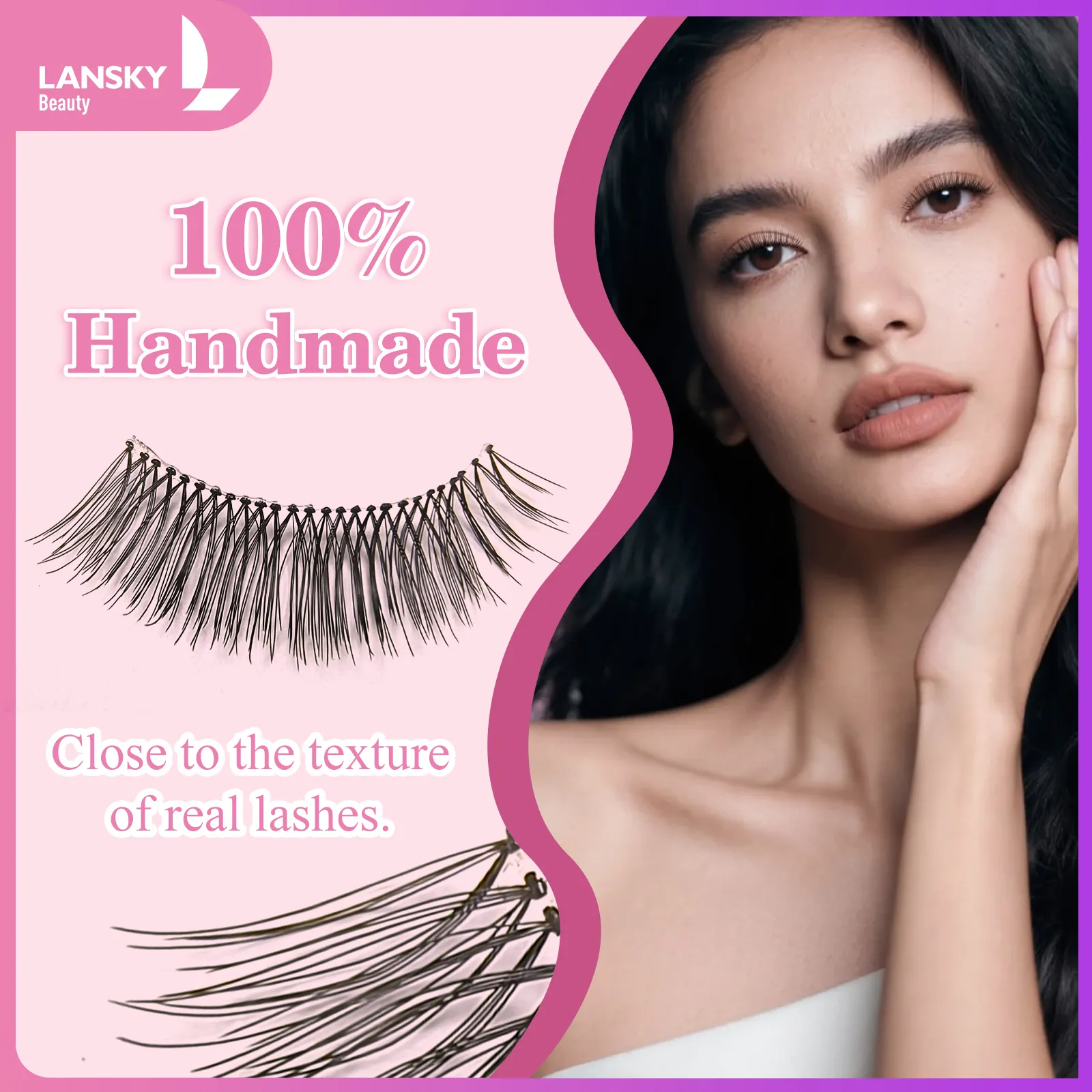
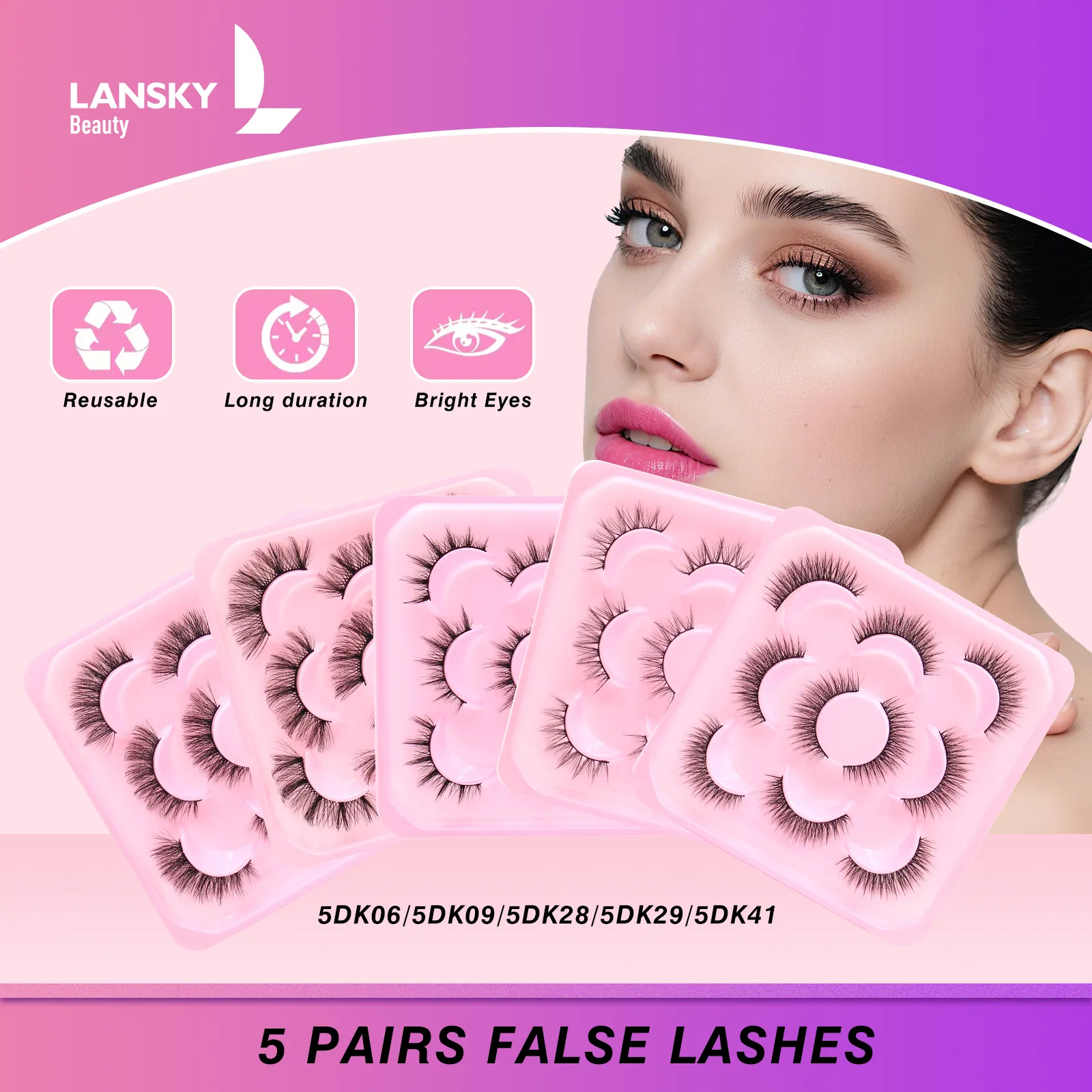
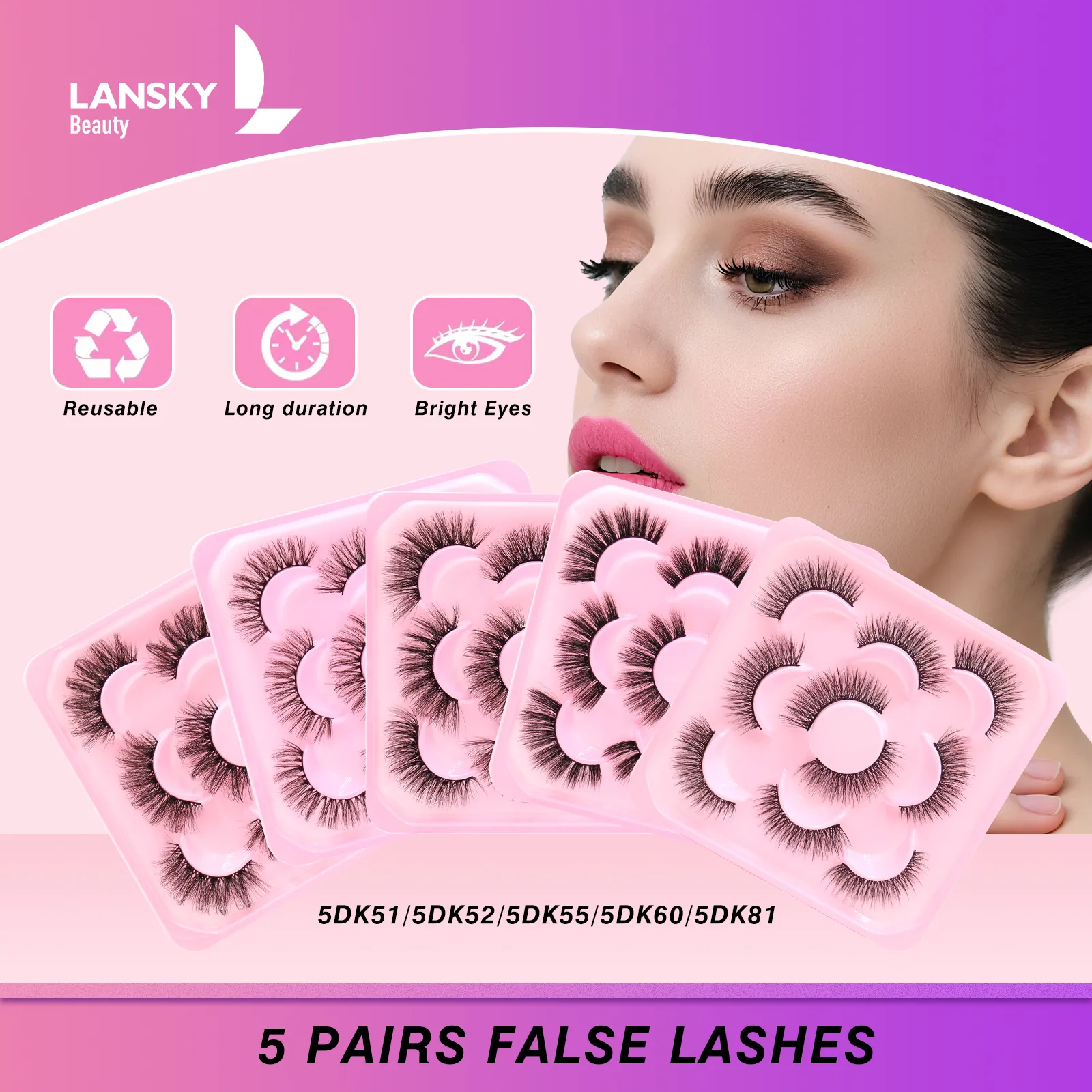
If you’ve been eyeing the new wave of Self Adhesive False Lashes, same here—I’ve spent the last few seasons testing sets from trade shows to salon counters. Lansky Beauty’s 5 Pairs False Lashes – Fluttery, Voluminous & Reusable (origin: China) has become a recurring pick among makeup artists I chat with, partly because the brand offers both classic glue-on and self-adhesive configurations for the same styling. Honestly, the convenience factor is real.
Industry Trends (short version)
The market is shifting toward pre-applied, medical-grade pressure-sensitive adhesive (PSA) bands—no separate glue, less mess. We’re also seeing more transparent bands, lighter PBT fibers, and claim substantiation: wear-time tests, peel adhesion data, and HRIPT irritation studies. Salons like the speed; e-commerce sellers love the low learning curve for first-time buyers.
Technical Build: Materials, Methods, and Testing
Typical construction for Self Adhesive False Lashes includes soft PBT lash fibers, a cotton or clear PET band, and a pre-applied hypoallergenic acrylic or silicone PSA. Manufacturing is surprisingly precise: lash fiber thermo-setting for curl memory; adhesive roll-coating ≈15–30 µm; die-cut segments; and liner application for dust-free shipping. QC teams run peel adhesion (PSTC/FINAT), shear hold, and band straightness checks. Well-run factories also follow cosmetics GMP (ISO 22716). In practice, you want repeatable tack without harsh pull on removal.
Product Specs (self-adhesive configuration available)
| Model | 5 Pairs False Lashes – Fluttery, Voluminous & Reusable (self-adhesive or classic) |
| Fiber | Soft PBT (silk-like), matte finish |
| Band | Cotton or clear PET; PSA layer ≈20 µm (real-world may vary) |
| Wear Time | ≈8–12 hours per wear; ≈15–25 reuses with care |
| Adhesion | Peel 0.6–1.1 N/25 mm (PSTC/FINAT lab ranges) |
| Compliance | ISO 22716 GMP; ISO 11930 challenge test; HRIPT irritation study; EU 1223/2009 & FDA 21 CFR 701 labeling—documentation on request |
Application & Scenarios
- Daily commuters who need a 30-second routine (no glue tube, no drama).
- Bridal/TV shoots where quick resets matter.
- Travel kits—liners keep the bands clean.
- New users: Self Adhesive False Lashes reduce the learning curve.
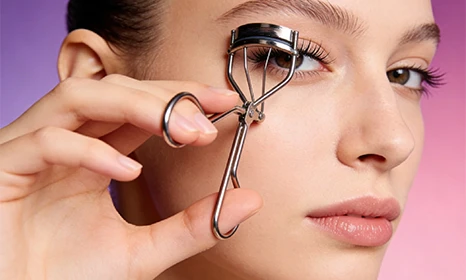
Tip: Degrease lids lightly (micellar water). Align to lash line, press from center outward. If tack fades, many users refresh with a thin swipe of compatible liner or store away from humidity. Sounds obvious, but it’s the difference between 10 and 20 reuses.
Process Flow & Quality Controls
Materials prep → fiber curl thermo-set → band cutting → PSA coating & curing → lash knotting/placement → liner lamination → visual QC (symmetry, density) → peel/shear tests (PSTC-101/107; FINAT FTM1) → microbiological limits (ISO 17516) → preservative efficacy (ISO 11930) → HRIPT. Service life depends on oil exposure and storage; most customers tell me 3–5 weeks of casual use per pack.
Vendor Snapshot (what buyers compare)
| Vendor | PSA Type | MOQ | Lead Time | Certs/Docs | Price/Set ≈ |
|---|---|---|---|---|---|
| Lansky Beauty (China) | Medical-grade acrylic; clear or cotton band | 500–2,000 | 10–25 days | ISO 22716, ISO 11930, HRIPT, COA | $2.1–$4.8 ex-works |
| Generic Private Label | Acrylic PSA (standard) | 100–500 | 7–15 days | Basic COA; limited stability data | $1.6–$3.2 |
| Salon OEM House | Silicone PSA (premium) | 1,000–5,000 | 20–35 days | Full dossier incl. stability & HRIPT | $3.8–$6.5 |
Customization & What Pros Ask For
- Band type: ultra-clear vs. soft cotton (comfort vs. invisibility).
- Adhesive strength tiers: light, standard, long-wear.
- Curl/Cross patterns for “natural AM” to “editorial PM.”
- Retail packaging with multilingual labeling (EU 1223/2009, FDA 21 CFR 701).
Mini Case Study
A boutique salon in Shenzhen swapped glue-on for Self Adhesive False Lashes for weekday clients. Result? Application time dropped from ≈4 minutes to under 90 seconds per set; returns fell after they added a quick “degrease + press” instruction card. Clients mentioned less eye-watering and better hold during humid commutes—anecdotal, yes, but consistent.
Final Take
If you want speed without sacrificing flutter, the 5-pair set hits a sweet spot—especially when you choose the self-adhesive configuration. As always, verify the lab data and request HRIPT and ISO paperwork. It seems that the brands who share test reports openly are the ones customers stick with—pun intended.
Authoritative Citations
- ISO 22716: Cosmetics — Good Manufacturing Practices (GMP).
- ISO 11930: Cosmetics — Microbiology — Evaluation of the antimicrobial protection of a cosmetic product.
- ISO 17516: Cosmetics — Microbiology — Microbiological limits.
- ISO 10993-10: Biological evaluation of medical devices — Tests for irritation and skin sensitization.
- EU Regulation (EC) No 1223/2009 on Cosmetic Products.
- FDA 21 CFR 701 — Cosmetic labeling requirements.
- PSTC-101/107 and FINAT FTM1 — Peel and shear test methods for pressure-sensitive adhesives.