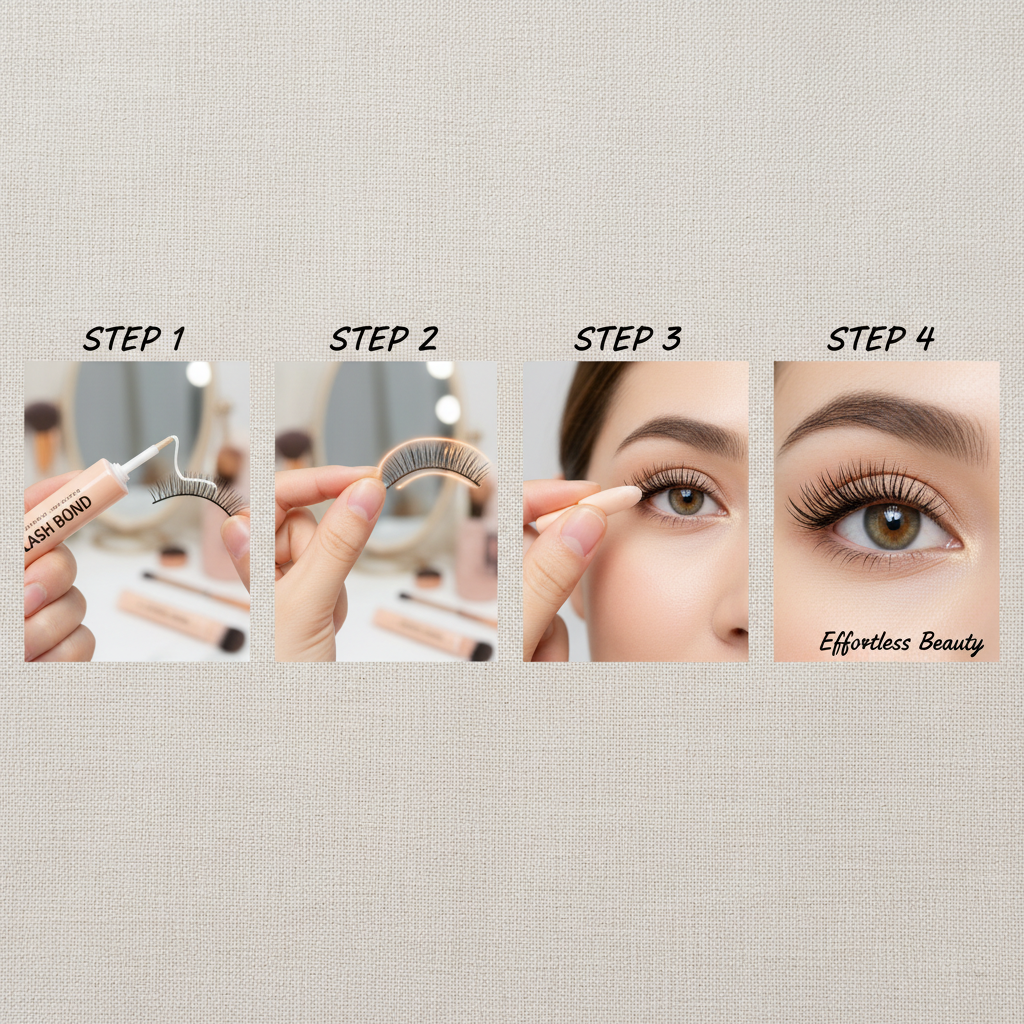
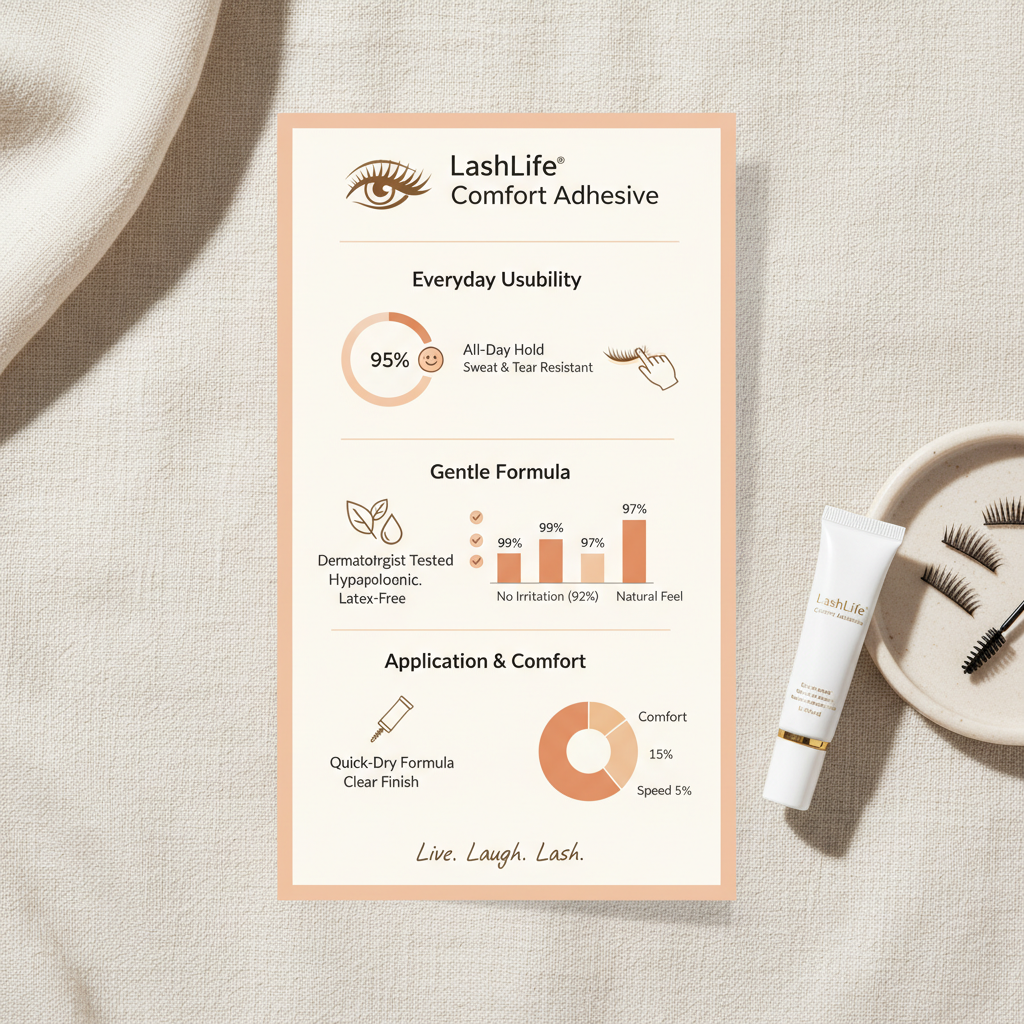
Eyelash adhesive is a critical component in the beauty industry, particularly for applications like eyelash extensions, strip lash application, and increasingly, magnetic eyelash systems. Its development and formulation directly impact the safety, longevity, and aesthetic outcome of these procedures. Globally, the demand for eyelash enhancements continues to rise, fueled by social media trends and a desire for expressive eyes, making high-quality eyelash adhesive a cornerstone of professional and at-home beauty routines.
The importance of a reliable eyelash adhesive extends beyond cosmetic appeal. A poorly formulated adhesive can cause allergic reactions, eye irritation, or premature lash shedding, leading to customer dissatisfaction and potential health concerns. Therefore, ongoing research and development in adhesive technology are essential to create formulations that are both effective and gentle on the delicate eye area. Understanding the nuances of these adhesives – from cyanoacrylate-based formulas to more innovative, hypoallergenic options – is paramount for both professionals and consumers.
As the market for eyelash enhancements expands, so does the need for specialized adhesives tailored to different application methods and user preferences. This includes fast-drying adhesives for speed, flexible adhesives for comfort, and adhesives with varying bond strengths for diverse lash types and styles. The quality of the eyelash adhesive is a defining factor in the overall success and client retention of any lash artist or beauty brand.
The Chemistry and Composition of eyelash adhesive
The vast majority of eyelash adhesive formulations rely on cyanoacrylate polymers. These polymers rapidly polymerize in the presence of moisture – specifically, the humidity in the air and the water content of the skin – creating a strong bond. However, the specific type of cyanoacrylate, its purity, and the addition of other ingredients significantly impact the adhesive's properties.
Beyond the base polymer, formulations often include stabilizers, plasticizers, pigments, and thickening agents. Stabilizers prevent premature polymerization, plasticizers enhance flexibility, pigments provide color (often black), and thickening agents control viscosity for precise application. The precise combination and concentration of these components dictate characteristics like drying time, bond strength, and allergen potential.
The Global Eyelash Adhesive Market
The global eyelash adhesive market is experiencing significant growth, driven by rising disposable incomes, increasing beauty consciousness, and the proliferation of social media influencing beauty trends. Asia-Pacific currently dominates the market, due to a large consumer base and thriving cosmetic manufacturing industries. North America and Europe are also substantial consumers, with a growing demand for premium and hypoallergenic formulations.
According to market research reports, the eyelash adhesive market is projected to reach several billion dollars in value within the next few years. This growth is fueled by the increasing popularity of eyelash extensions in professional salons and the expanding at-home eyelash application segment. The market is becoming increasingly competitive, with both established brands and emerging players vying for market share.
The demand for specialized adhesives catering to different application techniques (classic, volume, hybrid) and user preferences (sensitive skin, quick drying) is a key trend shaping the market. Furthermore, there's a growing emphasis on sustainable and cruelty-free formulations, reflecting broader consumer values.
Factors Influencing Adhesive Performance
Several factors contribute to the performance of an eyelash adhesive. Humidity is arguably the most critical – high humidity can accelerate drying time but may also lead to ‘blooming’ (a white residue), while low humidity can significantly slow down polymerization. Temperature also plays a role; warmer temperatures generally promote faster drying.
The cleanliness of the natural lashes is another crucial factor. Oils, makeup residue, and other contaminants can interfere with the adhesive’s bonding process. Proper lash preparation – cleansing and priming – is essential for optimal retention. Furthermore, the quality of the adhesive itself, its age, and proper storage conditions all significantly impact its effectiveness.
Application technique is paramount. The amount of adhesive used, the distance from the lash, and the speed of application all affect the bond’s strength and longevity. Proper training and experience are critical for achieving consistent, high-quality results.
Application Techniques and Adhesive Selection
Different eyelash application techniques require adhesives with specific characteristics. For example, classic eyelash extensions, which involve applying a single extension to each natural lash, typically benefit from adhesives with a slower drying time, allowing for precise placement.
Volume lash extensions, where multiple lightweight extensions are applied to a single natural lash, require faster-drying adhesives to prevent the extensions from sticking together during application. Hybrid lash techniques, combining classic and volume methods, demand versatile adhesives that can accommodate both approaches. The ideal viscosity and flexibility of the adhesive also depend on the desired look and the client's comfort level.
Average Retention Rates by Application Method
Safety Considerations and Allergen Management
The primary safety concern with eyelash adhesive is the potential for allergic reactions. Cyanoacrylate is a known allergen for some individuals. Symptoms can range from mild irritation and redness to more severe reactions like swelling and difficulty breathing.
Proper patch testing is crucial before a full application. Adhesive fumes can also cause irritation, so adequate ventilation is essential during application. Technicians should be trained to recognize the signs of an allergic reaction and to administer appropriate first aid.
The Future of Eyelash Adhesive Technology
Research and development efforts are focused on creating hypoallergenic eyelash adhesive formulations that minimize the risk of allergic reactions. This includes exploring alternative polymer chemistries and incorporating biocompatible additives.
There’s also growing interest in developing adhesives with enhanced flexibility and durability, leading to longer-lasting results and improved client comfort. Nano-technology may play a role in creating adhesives with superior bonding properties and reduced viscosity.
Furthermore, advancements in adhesive delivery systems – such as precision applicators and automated dispensing devices – are expected to improve application accuracy and efficiency.
Testing and Quality Control of eyelash adhesive
Rigorous testing and quality control are paramount in ensuring the safety and efficacy of eyelash adhesive. Manufacturers should conduct comprehensive testing for purity, viscosity, bonding strength, and allergen content.
Testing should also assess the adhesive’s performance under various environmental conditions (humidity, temperature) to ensure consistent results. Batch testing is essential to identify and address any quality issues. Compliance with relevant industry standards and regulations (such as those set by the FDA or equivalent regulatory bodies) is also crucial.
Third-party testing and certification can provide consumers with added assurance of product quality and safety.
Summary of Key Quality Control Parameters for Eyelash Adhesive
| Parameter |
Testing Method |
Acceptable Range |
Impact on Product Quality |
| Viscosity |
Brookfield Viscometer |
500-1500 cps |
Affects application precision and control. |
| Bond Strength |
Tensile Strength Tester |
>5 MPa |
Determines the adhesive’s ability to hold lashes securely. |
| Purity |
Gas Chromatography-Mass Spectrometry (GC-MS) |
Cyanoacrylate content >98% |
Minimizes the risk of allergic reactions and irritation. |
| pH Level |
pH Meter |
5.0 - 7.0 |
Impacts skin compatibility and prevents irritation. |
| Drying Time |
Visual Assessment |
1-3 seconds |
Affects application speed and efficiency. |
| Allergen Screening |
Patch Testing |
No significant allergic reaction |
Ensures product safety and minimizes the risk of adverse reactions. |
FAQS
Generally, unopened eyelash adhesive can last up to 6-12 months from the date of manufacture, if stored properly in a cool, dry place away from direct sunlight. Once opened, however, the adhesive's shelf life significantly decreases, typically to 2-3 months, as exposure to air accelerates polymerization. Always check the expiration date and discard any adhesive that has thickened or changed color.
Blooming, the white residue sometimes seen after eyelash extension application, is usually caused by high humidity or excessive adhesive use. Ensure you are working in a room with controlled humidity (ideally between 40-70%). Use a minimal amount of adhesive, and avoid touching the adhesive bottle tip to the lashes. Proper ventilation also helps to dissipate fumes and reduce blooming.
If you have sensitive eyes, it's crucial to choose a hypoallergenic eyelash adhesive specifically formulated for sensitive skin. Perform a patch test on a small area of skin 48 hours before a full application. Avoid adhesives containing harsh chemicals or fragrances, and consult with a lash professional for recommendations.
Fast-drying adhesives (often 1-2 seconds) are ideal for volume lash extensions and experienced technicians who need speed and precision. Slow-drying adhesives (3-5 seconds) are better suited for classic lash applications, allowing for more adjustment time during placement. The choice depends on your application technique and client needs.
Proper storage is vital. Store your eyelash adhesive in a cool, dry, dark place away from direct sunlight and heat. Avoid storing it in the bathroom, where humidity levels fluctuate. Keep the lid tightly sealed after each use to prevent exposure to air and moisture. Some adhesives recommend refrigeration; check the manufacturer’s instructions.
If eyelash adhesive accidentally gets in your eye, immediately flush it with copious amounts of cool water for at least 15-20 minutes. Do not rub your eye. If irritation persists, seek medical attention immediately. It's crucial to have eyewash readily available in your workspace.
Conclusion
In conclusion, eyelash adhesive is a fundamental element in the beauty industry, impacting not only aesthetic results but also client safety and satisfaction. Understanding the chemistry, application techniques, and safety considerations associated with these adhesives is crucial for both professionals and consumers. The market is continuously evolving, with ongoing research and development focused on creating hypoallergenic, durable, and user-friendly formulations.
As consumer demand for eyelash enhancements continues to grow, the importance of selecting high-quality eyelash adhesive and adhering to best practices will only increase. By staying informed about the latest innovations and prioritizing safety, we can ensure that eyelash enhancements remain a safe and enjoyable experience for everyone. Visit our website at www.lanskybeauty.com to explore our range of premium eyelash adhesives and tools.