

Apr . 04, 2026 03:08
The Ultimate Guide to Choosing the Right Contour Brush for Nose
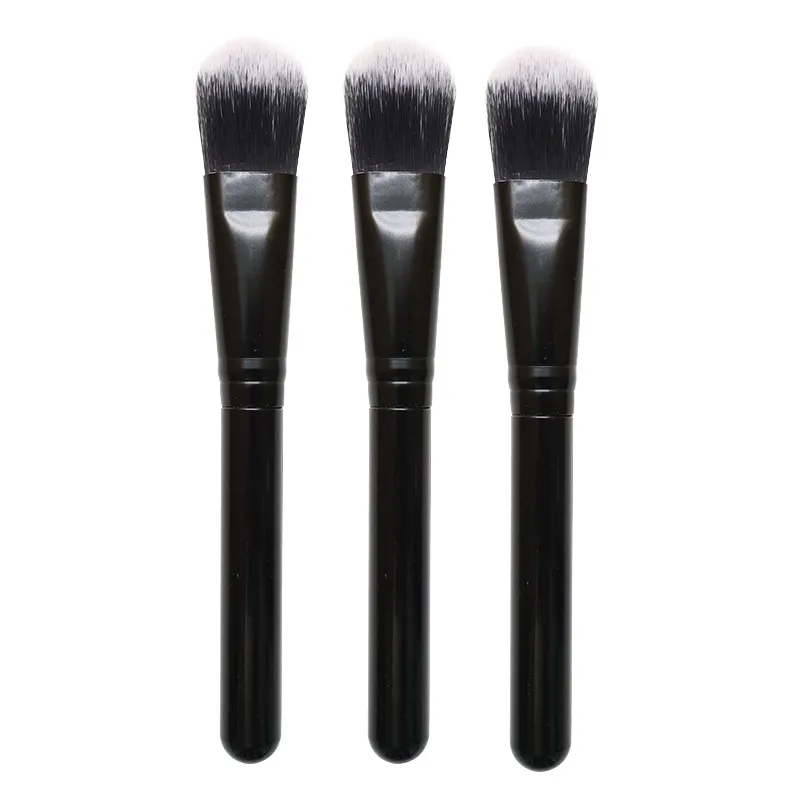
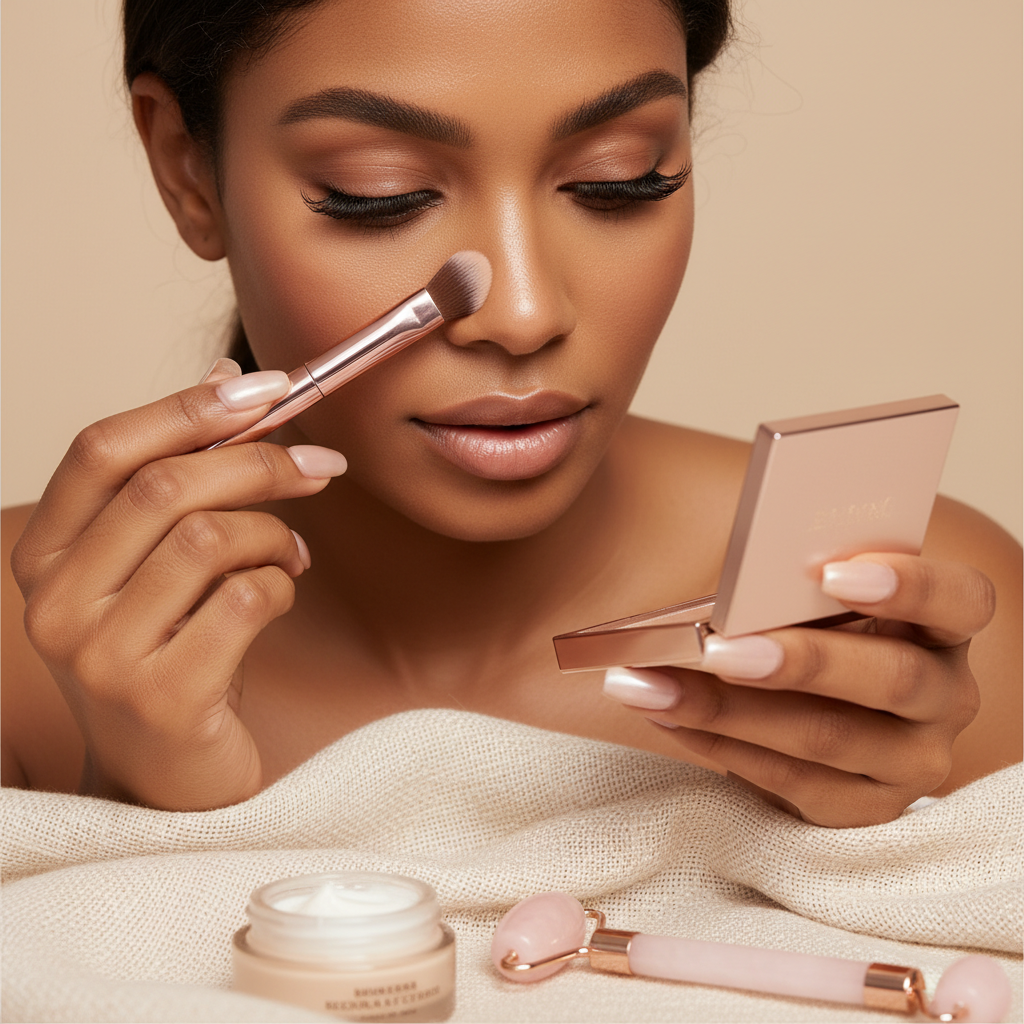
Achieving a defined and sculpted nose is a popular makeup goal, and the right tools can make all the difference. A contour brush for nose is specifically designed to help you apply contour shades precisely, creating the illusion of a slimmer, more refined nose shape. This guide will walk you through everything you need to know about selecting the best brush, techniques for application, and how to care for your investment. We will cover brush types, materials, and how to find the perfect fit for your skill level and preferences.
Understanding Different Contour Brush for Nose Types
Not all contour brushes are created equal. When it comes to contouring the nose, you'll primarily encounter angled brushes and small, tapered brushes. Angled brushes are excellent for creating a defined line along the sides of the nose, while smaller, tapered brushes allow for more precise application in the bridge and tip. The choice often depends on your nose shape and the level of definition you're aiming for. Some brushes feature a combination of both angled and tapered shapes, offering versatility for different contouring techniques. Choosing the right brush is a critical first step for a successful contour.
Key Considerations: Brush shape dramatically impacts precision. Angled brushes for lines, tapered brushes for detail. Versatility is a bonus!
Brush Material: Synthetic vs. Natural
The material of the bristles significantly affects how well the contour product blends and applies. Contour brushes for nose come in two main bristle types: synthetic and natural. Synthetic brushes are ideal for cream and liquid contours, as they don't absorb the product as much and are easier to clean. Natural hair brushes, like goat or squirrel hair, are better suited for powder contours, as they distribute the powder more evenly and create a softer look. Consider the type of contour product you typically use when selecting a brush material.
Material Breakdown:
• Synthetic: Best for cream and liquid contours.
• Natural Hair: Best for powder contours.
• Cleaning: Synthetic brushes are easier to clean.
Comparing Popular Contour Brush for Nose Options
The market is filled with options, but some brushes consistently receive positive reviews. Here's a comparison of a few popular choices, highlighting their pros and cons. Remember to consider your budget and desired features when making your decision.
Proper Brush Care for Longevity
To ensure your contour brush for nose lasts, regular cleaning is essential. Dirty brushes harbor bacteria and can affect your skin health. Clean your brush at least once a week with a gentle brush cleanser. Swirl the bristles in the cleanser, rinse thoroughly with lukewarm water, and allow it to air dry horizontally. Avoid drying the brush upright, as water can seep into the ferrule and loosen the bristles. Proper care will not only prolong the life of your brush but also maintain its performance and hygiene.
Final Thoughts: Finding Your Perfect Contour Companion
Choosing the right contour brush for nose is a worthwhile investment in your makeup routine. By considering the brush type, material, and your personal preferences, you can find a tool that empowers you to achieve a flawlessly sculpted nose. Remember to prioritize quality and proper care to ensure long-lasting performance. Explore the range of brushes available at Lansky Beauty to find the perfect match for your needs.
Frequently Asked Questions (FAQs)
How often should I replace my contour brush?
Generally, you should replace your contour brush every 1-2 years, depending on usage and how well you care for it. Even with regular cleaning, bristles can break down over time, losing their shape and effectiveness. Signs it's time for a replacement include shedding bristles, difficulty blending, or noticeable wear and tear. A worn-out brush won’t apply product as smoothly or precisely. Consider replacing it sooner if you experience any skin sensitivities or breakouts that might be linked to bacteria buildup in the brush.
What's the best way to clean synthetic brushes?
Cleaning synthetic brushes is relatively easy. Use a brush cleanser specifically designed for synthetic bristles. Dampen the bristles (avoid getting water in the ferrule) and gently swirl the brush in the cleanser. Rinse thoroughly under lukewarm water until the water runs clear. Gently squeeze out excess water and reshape the bristles. Lay the brush flat to air dry – never stand it upright. For a deeper clean, you can use a mild soap, like baby shampoo, but ensure it's rinsed completely.
Can I use the same contour brush for both powder and cream products?
It's generally not recommended to use the same brush for both powder and cream products. Cream products can leave a residue on the bristles, making it difficult for powder to adhere properly. Using a brush that has been used with cream on powder can cause the powder to appear patchy and uneven. Ideally, have separate brushes for each product type to ensure optimal application and blendability. If you must use one brush for both, thoroughly clean it with brush cleanser in between applications.
What if I have a wider or shorter nose? Does the brush type matter?
Yes, the brush type can make a difference depending on your nose shape. For a wider nose, a smaller, tapered brush can help create more precision and definition along the sides. For a shorter nose, an angled brush can help visually lengthen it. Experiment with different brush shapes and angles to see what works best for your features. Don’t be afraid to try different techniques and adjust your application based on your individual nose shape.