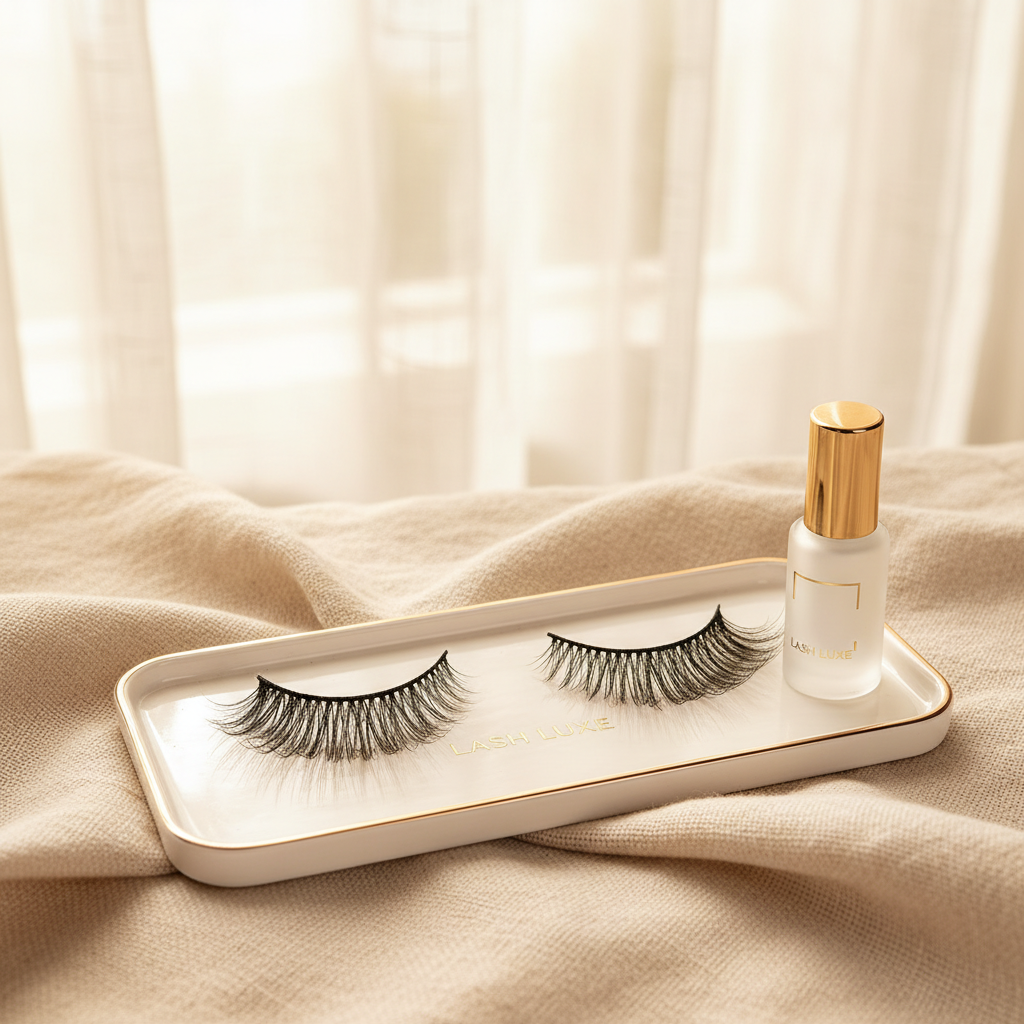
Adhesive eyelashes have transcended mere cosmetic enhancement, becoming a global phenomenon with a multi-billion dollar market. From everyday wear to professional artistry, the demand for high-quality, comfortable, and aesthetically pleasing false eyelashes is continually rising. Understanding the intricacies of their production, application, and the science behind the adhesives is crucial for both consumers and industry professionals. This knowledge empowers informed choices and fosters innovation within the beauty sector.
The evolution of adhesive eyelashes reflects broader trends in self-expression and the desire for convenient beauty solutions. Driven by social media influence and the accessibility of tutorials, the application of false eyelashes has become increasingly democratized. However, this accessibility also highlights the importance of safety and proper usage, as improper application or low-quality products can lead to irritation or even damage to the natural eyelashes.
This exploration delves into the world of adhesive eyelashes, covering everything from their fundamental components to future innovations. We’ll examine their global applications, advantages, and the challenges facing the industry, ultimately providing a comprehensive overview of this dynamic and evolving market.
The Foundation of Adhesive Eyelashes
The core of any successful adhesive eyelash application lies in the quality and formulation of the adhesive itself. Historically, adhesives were often based on latex or formaldehyde, posing potential allergic reactions and health concerns. Modern adhesives, however, have seen a significant shift towards cyanoacrylate-based formulas, offering stronger hold, faster drying times, and improved safety profiles. adhesive eyelashes quality varies greatly depending on the ingredients and manufacturing processes.
Beyond the adhesive, the eyelash fibers themselves are equally important. Materials range from synthetic options like PBT (polybutylene terephthalate) to natural hairs like mink, silk, or human hair. Each material offers a unique look and feel, with synthetic options generally being more affordable and hypoallergenic, while natural hairs often provide a more luxurious and realistic appearance.
Global Market Dynamics and Trends
The global adhesive eyelash market is a rapidly expanding industry, fueled by the rising disposable income, increasing demand for beauty products, and the pervasive influence of social media. According to recent reports, the market is projected to reach billions of dollars in the coming years, with Asia-Pacific currently dominating the landscape due to its large population and thriving cosmetic industry. North America and Europe also represent significant markets, driven by a strong focus on fashion and beauty trends.
A key trend driving growth is the demand for customized and personalized eyelash options. Consumers are seeking lashes that cater to their specific eye shape, skin tone, and desired look. This has led to the emergence of numerous brands offering a wide variety of styles, lengths, and materials. Furthermore, there's a growing emphasis on cruelty-free and sustainable products, prompting manufacturers to explore alternative materials and ethical sourcing practices.
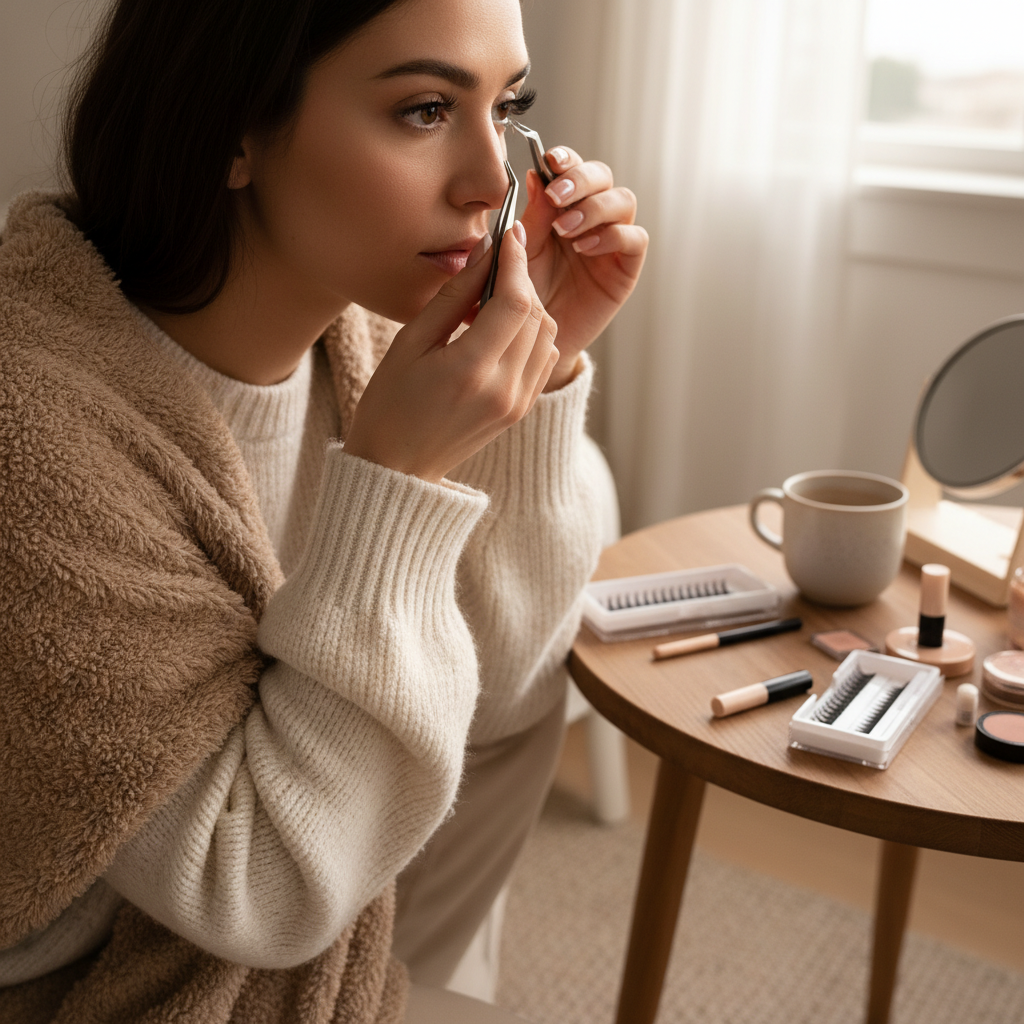
The COVID-19 pandemic initially impacted the market due to salon closures and reduced social gatherings. However, it also spurred a surge in at-home beauty routines, leading to increased demand for DIY eyelash application products and accessories. This trend is expected to continue even as restrictions ease, as consumers become more comfortable with self-application techniques.
Defining Adhesive Eyelashes: Composition and Types
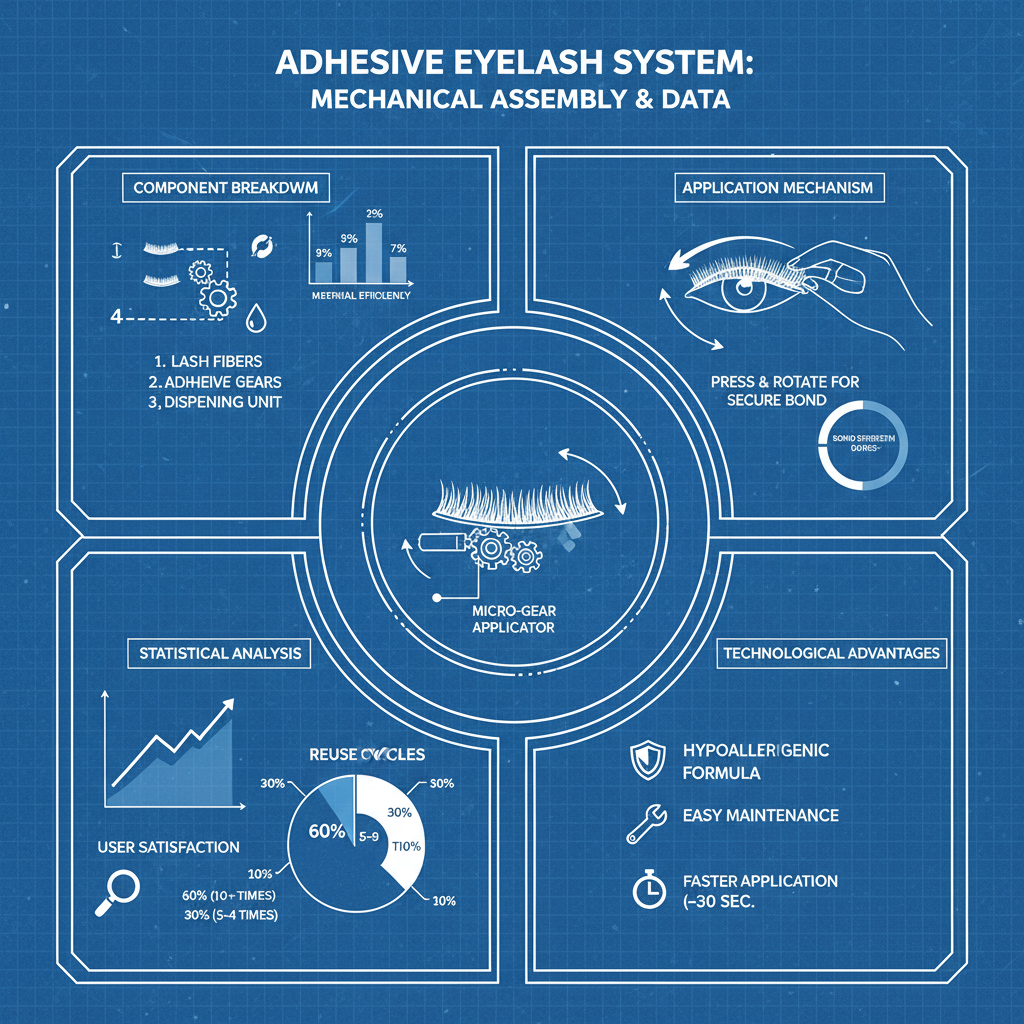
Adhesive eyelashes, at their core, are artificial eyelashes applied to the upper or lower eyelids using a specialized adhesive. They come in a diverse range of materials, styles, and lengths, allowing for a customized look. Understanding their composition is crucial. The lashes themselves are typically constructed from synthetic fibers like PBT, mink fur, silk protein, or human hair. The choice of material influences the appearance, weight, and durability of the lashes.
The adhesive is arguably the most critical component. Modern adhesives primarily utilize cyanoacrylate, a fast-acting, strong-bonding substance. However, formulations vary significantly. Some adhesives are designed for single-use application, while others are formulated for professional extensions and require specialized training. The color of the adhesive can also vary – clear, black, or brown – to blend seamlessly with different eye colors and lash lines.
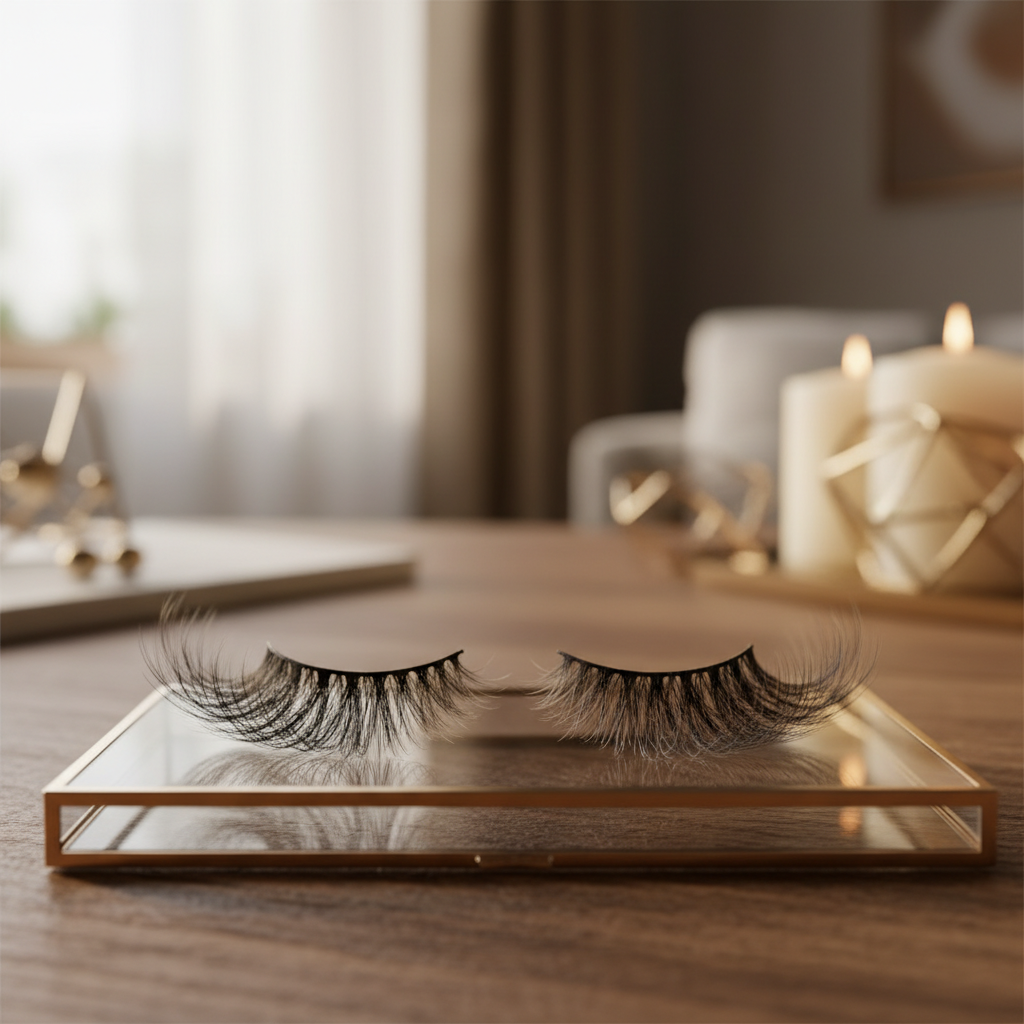
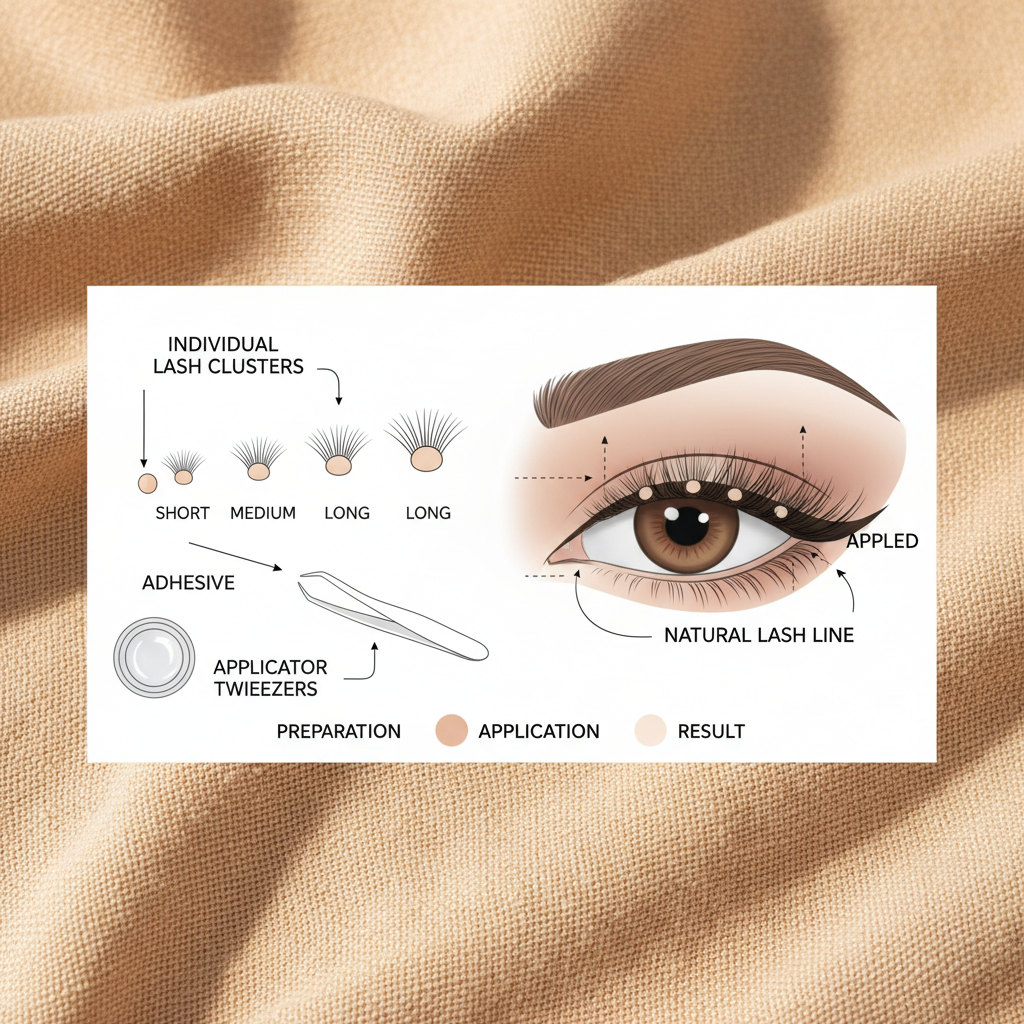
Types of adhesive eyelashes broadly fall into several categories: strip lashes (the most common and easiest to apply), individual lashes (for a more natural look), magnetic lashes (using magnets for attachment, eliminating the need for glue), and pre-glued lashes (offering convenience but potentially limited adhesion). Each type caters to different skill levels and desired effects.
Key Factors Influencing Adhesive Eyelash Performance
Several key factors determine the performance and longevity of adhesive eyelashes. Durability, or how well the lashes maintain their shape and integrity after repeated use, is heavily influenced by the quality of the materials and construction. Scalability refers to the adhesive's ability to bond effectively across various lash materials and application techniques.
Cost efficiency plays a significant role for both consumers and manufacturers. Finding the balance between quality and affordability is essential for market competitiveness. Another crucial factor is comfort; lashes that are too heavy or poorly applied can cause irritation or discomfort. Finally, hypoallergenic properties are increasingly important, as many consumers have sensitivities to certain materials or adhesives.
Adhesive Eyelash Performance Comparison
Applications Across Beauty and Beyond
The primary application of adhesive eyelashes remains within the beauty industry, encompassing everyday makeup routines, special events, theatrical performances, and professional photoshoots. From subtle enhancements to dramatic transformations, they offer a versatile tool for altering one’s appearance. adhesive eyelashes are also commonly used by makeup artists to create diverse looks for clients.
However, applications extend beyond purely aesthetic purposes. In the film and television industries, they are frequently used to enhance actors’ expressions and create compelling characters. Special effects makeup artists rely heavily on them to achieve specific looks, such as creating exaggerated features or portraying fantastical creatures.
Advantages and Long-Term Value Proposition
The advantages of using adhesive eyelashes are multifaceted. They offer an instant and relatively inexpensive way to enhance eye appearance, adding volume, length, and definition. They can also boost confidence and self-esteem. From a market perspective, their high demand ensures a steady revenue stream for manufacturers and retailers.
The long-term value extends beyond the aesthetic. Adhesive eyelashes provide a non-permanent alternative to more invasive procedures like eyelash extensions, reducing potential damage to natural lashes. Furthermore, ongoing innovation in materials and adhesives promises to deliver even safer, more comfortable, and longer-lasting options in the future.
Future Trends and Innovations in Adhesive Eyelashes
The future of adhesive eyelashes is poised for significant innovation. Developments in biodegradable adhesives, derived from plant-based sources, are gaining traction as a more sustainable alternative to traditional cyanoacrylate formulas. Researchers are also exploring the use of advanced materials like graphene to create lashes that are exceptionally lightweight, durable, and flexible.
Digital technologies are also playing a role, with augmented reality (AR) applications allowing consumers to virtually “try on” different lash styles before making a purchase. Smart lashes, incorporating micro-sensors, are a futuristic concept being explored for potential applications in beauty tech and even health monitoring.
The focus on personalization will continue, with customized lash designs created using 3D printing technologies. Furthermore, advancements in adhesive delivery systems, such as pre-applied adhesives and magnetic applicators, will simplify the application process and improve user experience.
Summary of Adhesive Eyelash Challenges and Potential Solutions
| Challenge |
Severity (1-5) |
Potential Solution |
Implementation Cost (1-5) |
| Adhesive Allergies |
4 |
Development of hypoallergenic adhesives |
3 |
| Lash Durability |
3 |
Utilizing more robust materials like PBT |
2 |
| Application Difficulty |
2 |
Improved applicator designs and tutorials |
1 |
| Environmental Impact |
3 |
Biodegradable lash materials and adhesives |
4 |
| Adhesive Residue |
2 |
Formulas that allow for easier removal |
2 |
| Maintaining Lash Hygiene |
4 |
Developing antibacterial lash coatings |
3 |
FAQS
For sensitive eyes, it’s crucial to choose a hypoallergenic adhesive formulated without latex, formaldehyde, and fragrance. Cyanoacrylate-based adhesives specifically labeled as "sensitive skin" or "hypoallergenic" are generally recommended. Patch testing a small area of skin before full application is always advisable. Consider also exploring magnetic lashes as a glue-free alternative, but ensure the magnets are properly sealed to prevent irritation.
The lifespan of adhesive eyelashes varies depending on the type of lashes and how well they are cared for. Strip lashes can be reused several times with proper cleaning and storage, typically lasting for 10-15 applications. Individual lashes, if applied correctly, can last for a few weeks before needing a refill. Magnetic lashes generally have a longer lifespan if maintained carefully.
Never pull off adhesive eyelashes forcefully, as this can damage your natural lashes. Use an oil-based makeup remover specifically designed for eyelash adhesive. Gently saturate a cotton swab with the remover and hold it against the lash line for 30-60 seconds to loosen the adhesive. Then, gently peel off the lashes, starting from the outer corner.
Sleeping with adhesive eyelashes is generally not recommended. It can cause them to become bent, twisted, or detached, and it increases the risk of irritation to your eyes. It's best to remove them before bedtime and allow your eyes to rest. If you absolutely must sleep with them on, choose a lightweight, flexible style and avoid rubbing your eyes.
To minimize the risk of allergic reactions, always perform a patch test with the adhesive before full application. Choose hypoallergenic adhesives and lashes made from synthetic materials if you have known sensitivities. Ensure the lashes are thoroughly cleaned before use to remove any manufacturing residues. If you experience any irritation, discontinue use immediately.
Proper storage is key to extending the life of your adhesive eyelashes. After use, gently remove any adhesive residue and store the lashes in their original packaging or a clean, dry case. Avoid exposing them to moisture, heat, or direct sunlight. Keeping them in a cool, dry place will help maintain their shape and hygiene.
Conclusion
In conclusion, adhesive eyelashes represent a dynamic and evolving market driven by innovation and consumer demand. From the foundational importance of adhesive composition to the emerging trends in sustainable materials and personalized designs, understanding the intricacies of this industry is crucial for both professionals and enthusiasts. The advantages—convenience, affordability, and the ability to enhance beauty—have cemented their place in the global cosmetic landscape.
Looking ahead, continued research and development will undoubtedly lead to even more advanced and user-friendly adhesive eyelash solutions. Embracing sustainable practices, prioritizing safety, and fostering personalization will be key to long-term success. For those seeking high-quality adhesive eyelashes and expert advice, we invite you to visit our website: www.lanskybeauty.com