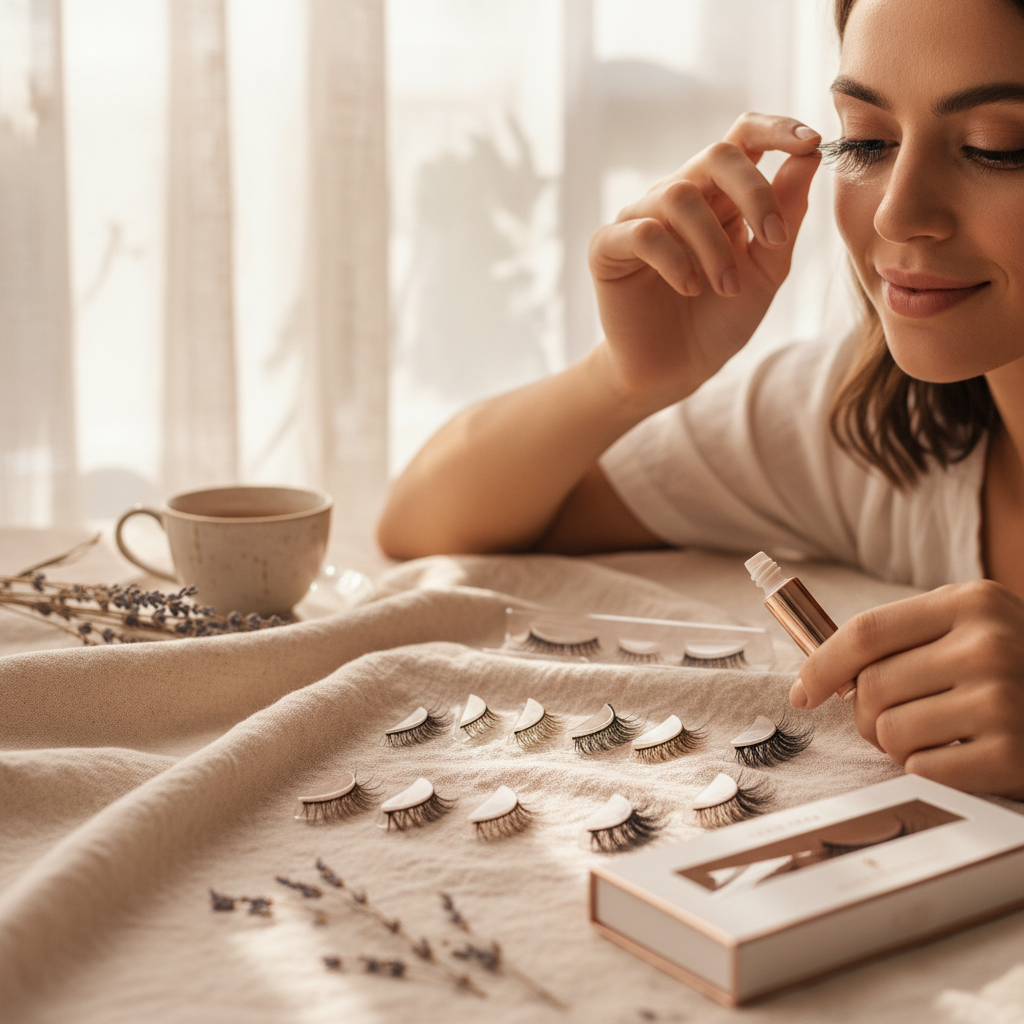
Artificial eyelashes have become a global phenomenon, transcending cultural boundaries and evolving from a theatrical enhancement to a mainstream beauty staple. Their increasing popularity reflects a growing desire for self-expression and enhanced aesthetics worldwide. This global demand drives innovation in materials, application techniques, and styles, making artificial eyelashes accessible to a diverse consumer base. The industry's growth is spurred by influencers, social media trends, and the overall expansion of the beauty market.
The significance of understanding artificial eyelashes extends beyond cosmetic application. It involves considerations of material sourcing, manufacturing processes, and potential allergic reactions. The ethical implications of sourcing materials, ensuring fair labor practices, and promoting body positivity all contribute to a comprehensive understanding of this industry. As demand grows, responsible production and transparent supply chains are crucial.
Ultimately, understanding artificial eyelashes empowers consumers to make informed choices and appreciate the complexities behind this ubiquitous beauty accessory. From enhancing natural beauty to expressing individual style, the evolution of artificial eyelashes continues to shape the modern beauty landscape.
The Evolution of Artificial Eyelashes
The history of artificial eyelashes is surprisingly long, dating back to ancient Egypt where both men and women used materials like ivory, bone, and animal hair to enhance their eyes. However, the modern iteration of artificial eyelashes truly began in the early 20th century, fueled by the demands of the burgeoning film industry. Actresses sought ways to accentuate their eyes on camera, leading to the creation of more sophisticated and reusable eyelash extensions.
Throughout the decades, artificial eyelashes evolved in materials and styles, becoming more accessible to the general public. From the dramatic, glamorous lashes of the 1960s to the more natural-looking options available today, the industry has consistently adapted to changing beauty trends. This continuous innovation is what keeps artificial eyelashes a relevant and desirable beauty accessory.
Defining Artificial Eyelashes
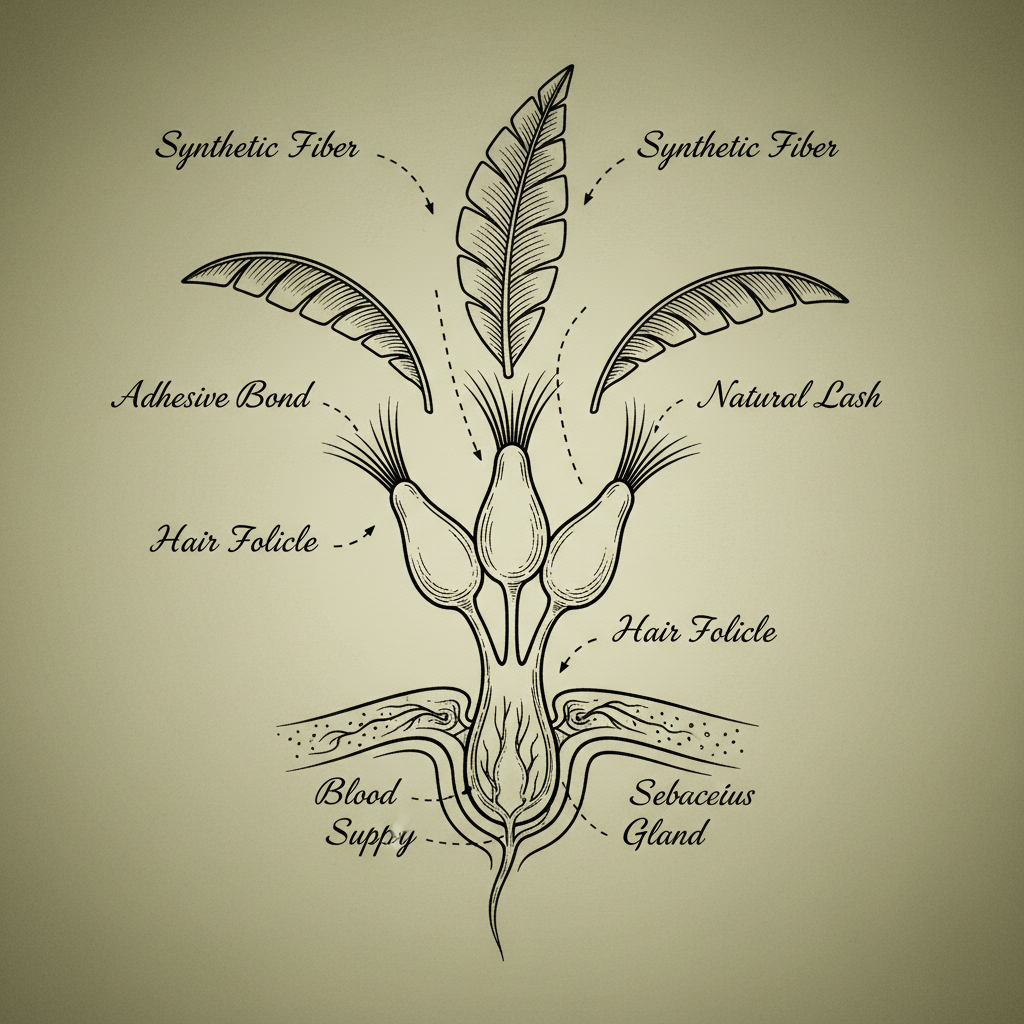
Artificial eyelashes are cosmetic accessories designed to enhance the appearance of natural eyelashes. They are typically crafted from synthetic materials like acrylic, mink, or human hair, and are applied using a specialized adhesive. The primary purpose is to add length, volume, and curl to the eyes, creating a more dramatic or defined look.
The connection to modern industry extends far beyond cosmetic application. The production of artificial eyelashes generates employment in manufacturing, packaging, and distribution. Furthermore, the demand for sustainable and ethically sourced materials is driving innovation within the supply chain.
Understanding the definition of artificial eyelashes is essential for both consumers and industry professionals, as it informs choices regarding material quality, application techniques, and long-term eye health. It’s more than just a cosmetic; it's a product of complex manufacturing and increasingly, a reflection of ethical considerations.
Core Components of Quality Artificial Eyelashes
Several key factors determine the quality and performance of artificial eyelashes. First, the material composition plays a critical role. Mink eyelashes are prized for their softness and natural appearance, while synthetic options offer affordability and durability. The band material, typically cotton or plastic, affects comfort and ease of application.
Secondly, the curl and length of the lashes significantly impact the overall aesthetic. Different curl types (J, B, C, D) cater to varying eye shapes and desired looks. Length varies from natural-looking short lashes to dramatic, lengthy extensions. Thirdly, the density and spacing of the lashes affect the volume and fullness achieved. Properly spaced lashes blend seamlessly with natural lashes.
Finally, the adhesive used for application is paramount. A high-quality adhesive must be non-toxic, hypoallergenic, and provide a secure, long-lasting hold without damaging natural lashes. These core components collectively contribute to the overall quality and user experience of artificial eyelashes.
Applications of Artificial Eyelashes
Artificial eyelashes have a wide range of applications, extending beyond everyday cosmetic use. In the entertainment industry, they are indispensable for stage performances, film, and television, where dramatic eye enhancement is often required. Professional makeup artists rely on artificial eyelashes to create captivating looks for photoshoots and special events.
The beauty industry itself sees widespread application, with artificial eyelashes being a key component of salon services like eyelash extensions and individual lash applications. Increasingly, consumers are opting for self-application, driving demand for at-home lash kits and tutorials.
Geographically, the demand is highest in regions with strong beauty industries, such as North America, Europe, and Asia. However, the market is expanding rapidly in emerging economies as disposable income increases and beauty standards evolve.
Artificial Eyelash Application Methods - User Preference
Advantages and Long-Term Value
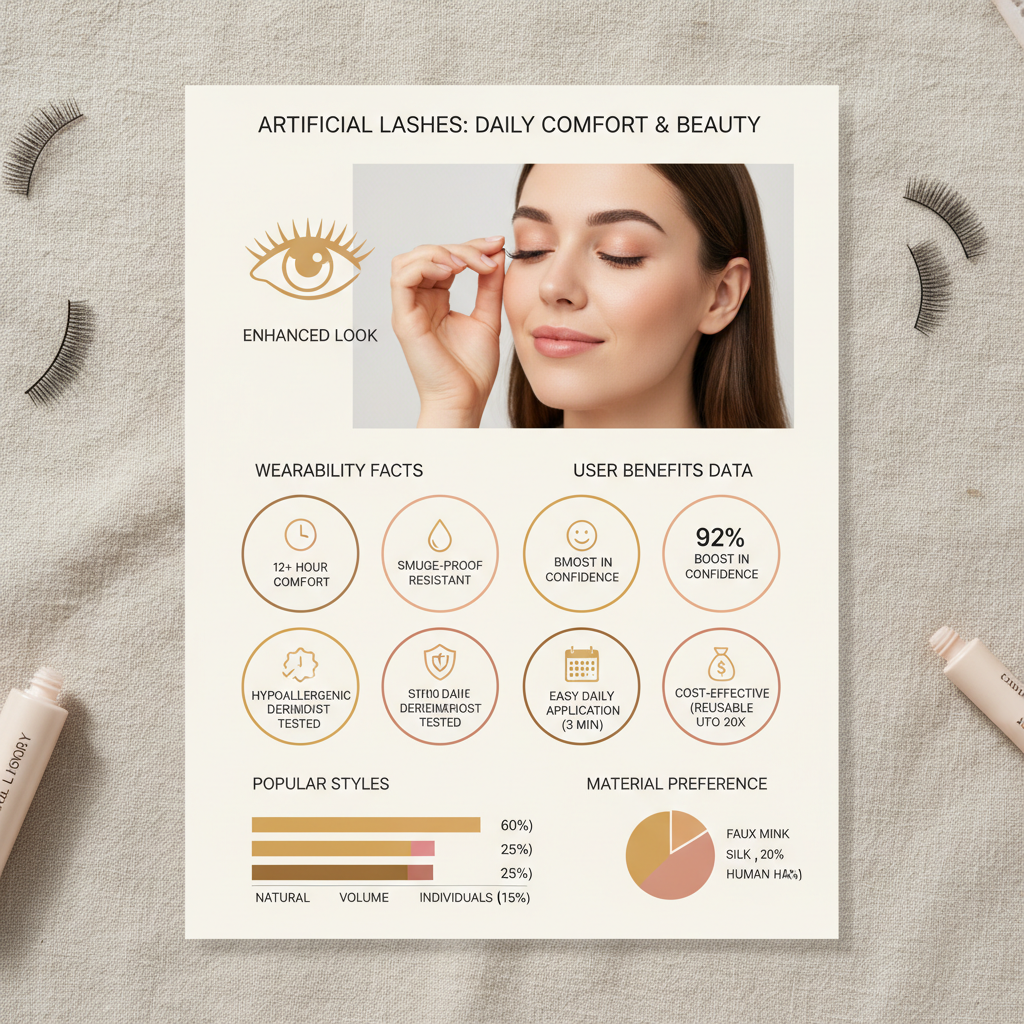
The advantages of using artificial eyelashes are numerous. Cost-effectively, they provide a quick and affordable way to enhance appearance compared to more permanent procedures. They offer versatility, allowing for experimentation with different styles and looks for various occasions. From subtle enhancements to dramatic transformations, artificial eyelashes cater to a wide range of preferences.
The long-term value lies in the confidence boost and self-expression they provide. For many, artificial eyelashes are not simply a cosmetic enhancement, but a tool for feeling more attractive and empowered. This emotional benefit, coupled with the convenience and affordability, contributes to their lasting appeal.
Future Trends in Artificial Eyelashes
The future of artificial eyelashes is poised for significant innovation. We are seeing a growing demand for sustainable and cruelty-free options, leading to the development of plant-based and recycled materials. Advancements in adhesive technology promise longer-lasting, gentler formulas that minimize irritation.
Personalized eyelashes, customized to individual eye shapes and preferences, are also on the horizon. Digital tools and 3D printing may play a role in creating bespoke lash designs. Additionally, integration with wearable technology, such as smart lashes with embedded sensors, could offer unique functionalities.
Challenges and Sustainable Solutions
Despite their popularity, artificial eyelashes face challenges related to environmental impact and ethical sourcing. Traditional materials like mink can raise animal welfare concerns, and the disposal of used lashes contributes to plastic waste. Adhesive ingredients can also cause allergic reactions in some individuals.
Sustainable solutions are emerging to address these issues. The development of biodegradable lash materials and eco-friendly adhesives is gaining momentum. Emphasis on ethical sourcing and transparent supply chains ensures responsible production. Encouraging recycling programs and promoting reusable lash options can further minimize environmental impact.
The industry is responding to consumer demand for eco-conscious products, prioritizing sustainability and ethical practices to create a more responsible and environmentally friendly future for artificial eyelashes.
Overview of Key Challenges and Proposed Sustainable Solutions
| Challenge Area |
Impact Level (1-10) |
Proposed Solution |
Implementation Feasibility (1-10) |
| Animal Welfare Concerns (Mink) |
9 |
Transition to Synthetic or Plant-Based Materials |
8 |
| Plastic Waste from Disposal |
7 |
Develop Biodegradable Lash Options & Recycling Programs |
6 |
| Allergic Reactions to Adhesive |
6 |
Formulate Hypoallergenic, Latex-Free Adhesives |
9 |
| Non-Transparent Supply Chains |
8 |
Implement Blockchain Tracking for Material Origin |
5 |
| Limited Durability of Synthetic Lashes |
5 |
Invest in Higher-Quality Synthetic Fibers |
7 |
| Lack of Consumer Awareness |
6 |
Increase Education on Sustainable Practices |
8 |
FAQS
Proper cleaning is vital for hygiene and longevity. Gently remove any adhesive residue with an oil-free makeup remover. Use a lash brush to comb through the lashes and remove any lingering particles. Ensure they are completely dry before storing them in a clean case to prevent bacterial growth and maintain their shape.
The lifespan depends on the quality of the lashes and how well they are maintained. High-quality lashes can be reused 20-30 times with proper care. Avoid sleeping in them, and meticulously clean them after each use. Discard them if they become damaged, frayed, or show signs of bacterial buildup.
If applied and removed correctly, artificial eyelashes shouldn’t cause permanent damage. Avoid pulling or tugging at your natural lashes during removal. Using a gentle, oil-based adhesive remover is crucial. Give your natural lashes breaks between applications to allow them to recover and maintain their health.
For sensitive eyes, opt for latex-free and formaldehyde-free adhesives. Look for hypoallergenic formulas specifically designed for lash extensions or strip lash application. Always perform a patch test on your skin before applying the adhesive to ensure you don't have an allergic reaction.
Good quality lashes will have a natural-looking curl and taper, a flexible yet durable band, and will be evenly spaced. They shouldn't feel stiff or brittle. Check for secure attachment of the individual lashes to the band. Higher-quality materials, like silk or high-grade synthetics, will also contribute to a more comfortable and natural look.
Mink lashes are made from real mink fur, offering a luxurious, natural look but raising ethical concerns. Synthetic lashes are made from acrylic and are affordable and durable. Silk lashes are made from synthetic fibers designed to mimic the appearance of silk, offering a balance of softness and durability. Choose based on your budget, ethical considerations, and desired aesthetic.
Conclusion
Throughout this exploration, we’ve seen how artificial eyelashes have evolved from a theatrical enhancement to a global beauty phenomenon. Their impact extends beyond cosmetics, influencing industries, ethical considerations, and sustainability practices. The key to their enduring appeal lies in their ability to enhance confidence, empower self-expression, and adapt to changing beauty trends.
Looking ahead, the future of artificial eyelashes hinges on innovation in sustainable materials, ethical sourcing, and personalized designs. By prioritizing responsible production and consumer awareness, the industry can continue to flourish while minimizing its environmental impact and upholding animal welfare. For more information and to explore our range of high-quality artificial eyelashes, visit our website: lanskybeauty.com