SHIJIAZHUANG LANSKY CO., LTD.
Rich Experience
High-Quality Products
Support Customized Srvices
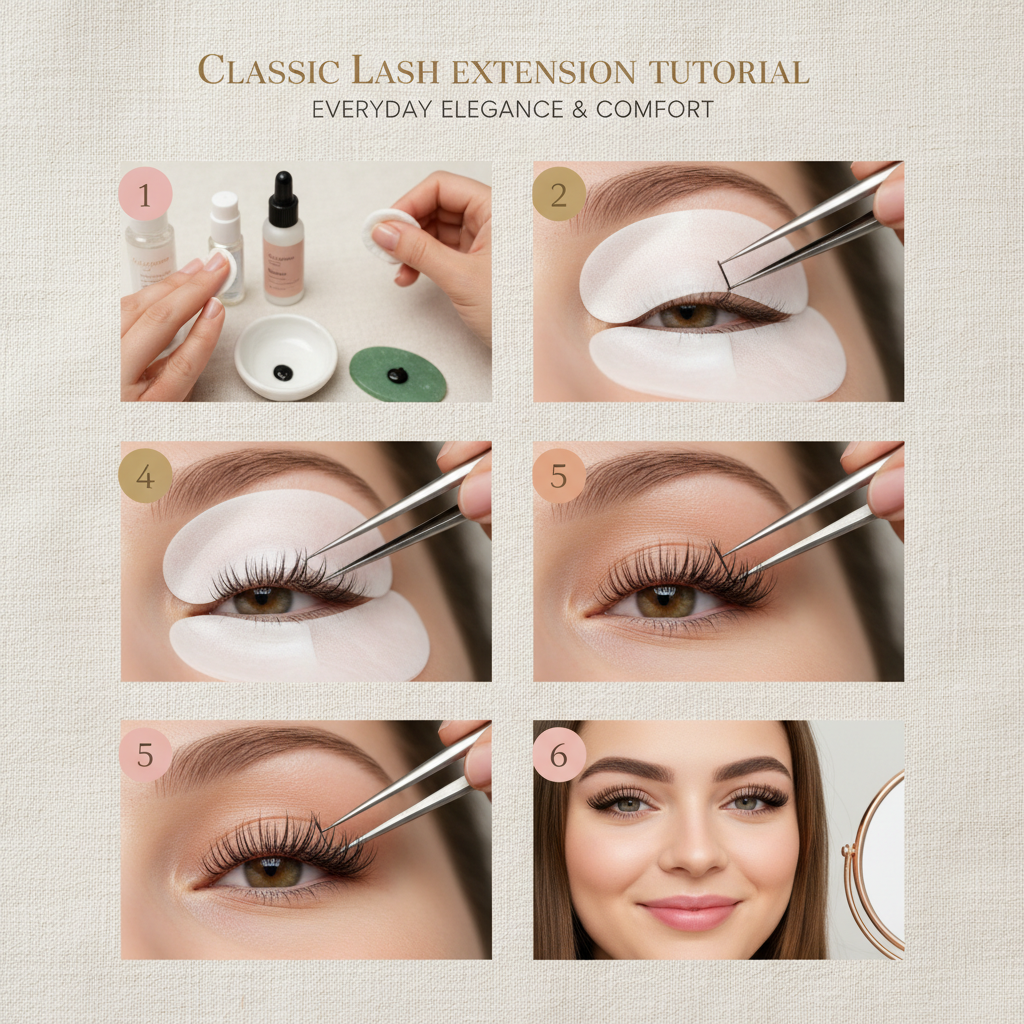
You know, I’ve been running around construction sites all year, dealing with dust, getting my hands dirty… honestly, the biggest buzz these days is about these 3d eyelash extensions. Everyone's talking about them. It’s not just a beauty thing anymore, it’s… well, it's become a whole thing. Folks are wanting longer lasting, more natural-looking lashes, and frankly, the old methods just weren't cutting it. They’d clump, fall out after a week… you name it. Now, with these 3d extensions, it’s a different game.
It's funny, you spend so much time designing something in the office, thinking you've got it all figured out, then you get on-site and realize… the real world doesn't care about your perfect plans. I’ve seen so many "innovations" fail because they didn’t account for the basics. Like, the application process needs to be fast, because stylists aren’t going to wait around all day. And the adhesive? Has to be strong, obviously, but it can’t irritate the eyes. That's a big one.
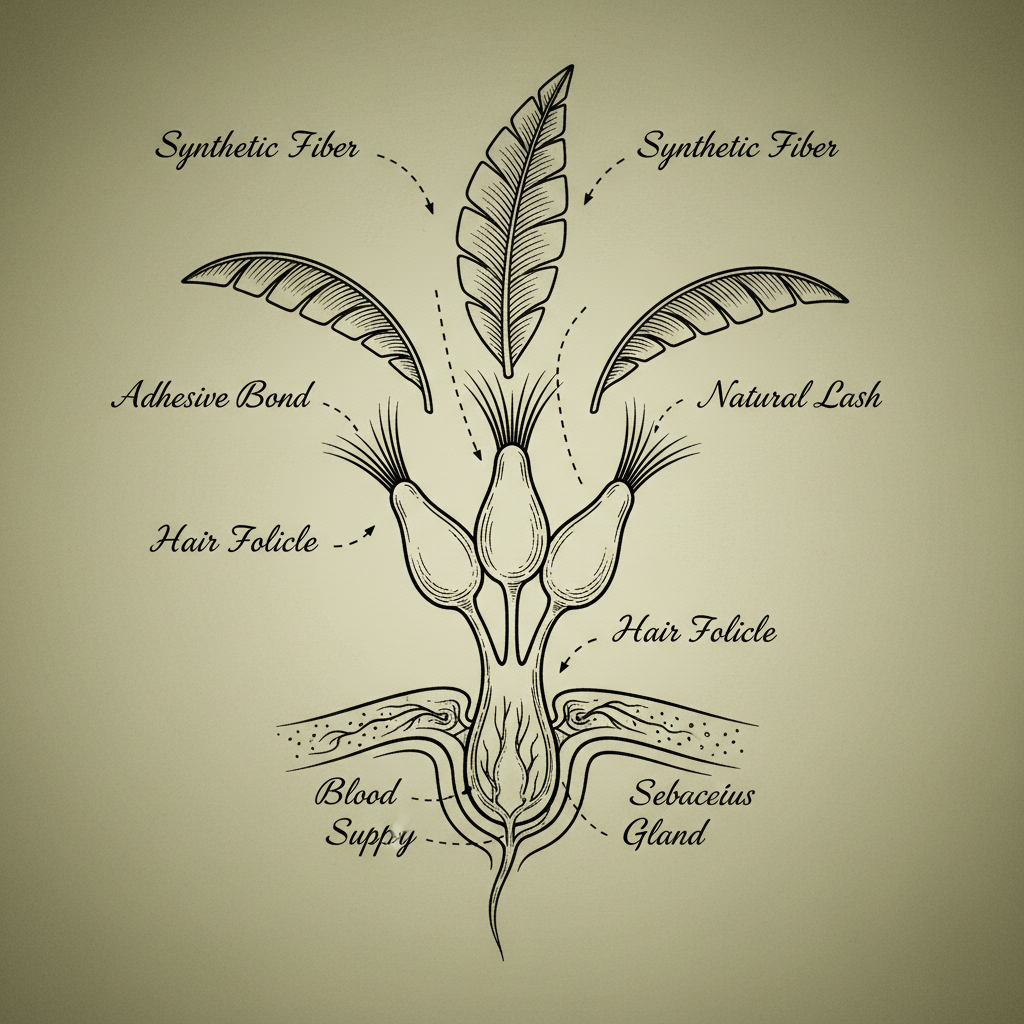
To be honest, the materials are key. These aren't your grandma's fake eyelashes. We're talking PBT fibers – Polybutylene Terephthalate. Feels… silky, almost. Not like that plasticky feeling of older synthetics. It’s a bit smelly when you first open the package, a slightly chemical smell, but it fades. Handling it, you have to be gentle, it’s not super robust stuff. It's delicate. You wouldn’t believe how many technicians just rip open the trays and mess them up. And the adhesive… that’s crucial. It’s typically a cyanoacrylate-based glue, but finding the right formula… that’s the million-dollar question.
Have you noticed the demand just exploding? It's not just celebrities anymore, it's everyday people wanting that extra something. It’s because the technology finally caught up. The older stuff looked… well, fake. Now, you can get a look that’s remarkably natural. It’s all about mimicking the natural curl and taper of your own lashes. And that's what drives the sales.
It's impacting the whole beauty industry, frankly. Salons are re-training staff, product suppliers are scrambling to keep up with demand, and even the adhesive manufacturers are coming out with new formulations. It's a ripple effect.
Strangely enough, a lot of designers get hung up on the look and forget about the application. I encountered this at a factory in Yiwu last time. They had this beautiful design, complex layering, looked amazing in the photos, but the technicians couldn’t even pick up the lashes without them falling apart. They were too fragile. You have to think about how it's actually going to be used, not just how it looks on a model.
Another big pitfall? Weight. If the lashes are too heavy, they’ll pull on the natural lashes and cause damage. We had a batch that was slightly too dense and the complaints poured in. People’s eyes were getting irritated and lashes were falling out. That was a costly mistake.
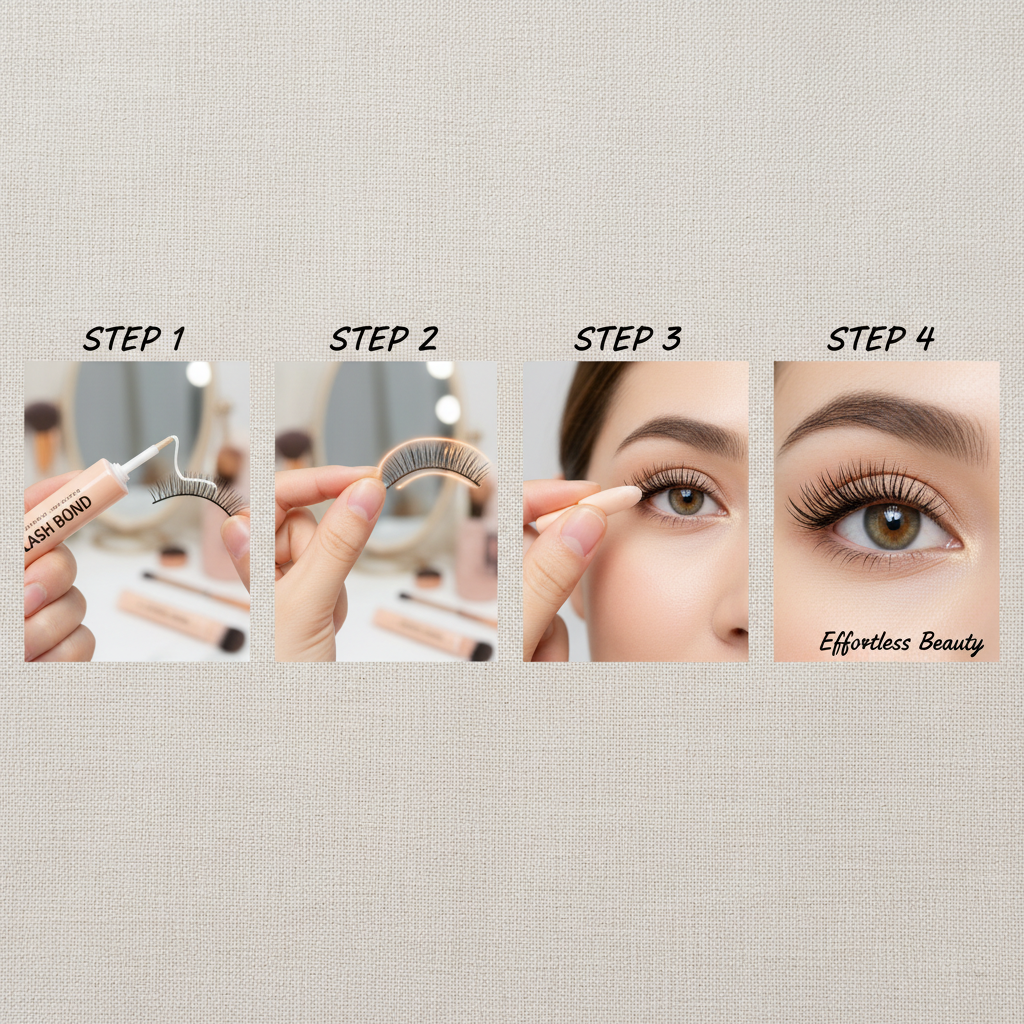
The application itself needs to be quick and efficient. Stylists are charging by the hour, they aren’t going to spend all day on one client. So, the design has to lend itself to a smooth, fast application process. And the base has to be flexible enough to conform to the curvature of the eyelid.
Okay, so PBT. It's good stuff, but it’s not magic. It needs to be treated right. You have to consider the temperature resistance, the flexibility, and the dyeability. Because, let's face it, people want different colors, different lengths. And the surface needs to be smooth, otherwise the adhesive won’t bond properly.
Now, some manufacturers are experimenting with other materials, like modified polypropylene. It’s cheaper, but honestly, the quality just isn't there. It feels… rougher. The adhesive doesn’t stick as well, and it doesn't hold the curl. You get what you pay for, you know?
And the adhesive, that’s a whole other beast. It’s got to be medical-grade, hypoallergenic, and quick-drying. But it also has to be flexible enough to move with the eye. Finding that balance is tough. And the fumes! Some of those glues stink to high heaven. You wouldn’t believe the headaches.
Forget the lab tests. They’re useful, sure, but the real test is out in the wild. We send samples to salons all over the country and get feedback. We need to know how they perform under real-world conditions. Are they falling off after a day? Are they causing irritation? Are the technicians complaining about the application process?
We even have technicians wear the lashes themselves for a week and report back. It's brutal, but it gives us valuable insights. We need to see how they hold up to sweat, makeup, and everyday life.
You wouldn't believe how people treat these things. We thought people would be super careful, right? Gentle makeup removal, avoiding oil-based products... Nope. They're scrubbing at them with waterproof mascara and then wondering why they're falling out. We've had customers complain that the lashes aren’t durable, but it turns out they're using harsh cleansers.
And then there's the sleeping situation. People are sleeping on their stomachs, twisting and turning all night. It’s a miracle they last as long as they do.
The advantages are obvious: volume, length, a natural look. But the downsides? Maintenance. They need to be refilled every few weeks, which can be expensive. And if you don’t take care of them properly, they can damage your natural lashes. That’s the big risk.
Customization is where it gets interesting. Last month, that small boss in Shenzhen who makes smart home devices insisted on changing the interface to for his wife’s lashes - wanted a more “streamlined” look, he said. It was ridiculous, of course. The technicians nearly lost it, but hey, customer is always right, right? Anyway, we can do it. Different lengths, different curls, different colors, different materials. We can even create custom designs to match a client’s specific eye shape.
We had a client, a young woman in Los Angeles, who was struggling with self-confidence after losing her eyebrows to alopecia. She tried everything – makeup, microblading – nothing worked. She came to us as a last resort, hoping the 3d extensions could at least make her feel a little better. And they did. She sent us a message a few weeks later, saying they’d completely changed her life. That's… that's why I do this job, you know?
Look, at the end of the day, there's a lot of hype around these things, a lot of marketing fluff. But the truth is, whether this stuff actually works comes down to the materials, the design, and the skill of the technician.
| Material Quality | Application Technique | Aftercare Compliance | Retention Rate |
|---|---|---|---|
| PBT Fiber Grade (A, B, C) | Technician Experience Level (Beginner, Intermediate, Expert) | Frequency of Aftercare Follow-Up (Low, Medium, High) | 7 days |
| Adhesive Formulation (Cyanoacrylate-Based, Hypoallergenic) | Precision of Lash Placement (Accurate, Moderate, Inaccurate) | Adherence to Recommended Cleaning Routine (Strict, Moderate, None) | 14 days |
| Curl Consistency (Uniform, Slight Variation, Significant Variation) | Lash Isolation Quality (Excellent, Good, Poor) | Avoidance of Oil-Based Products (Complete, Moderate, None) | 21 days |
| Weight Distribution (Balanced, Uneven, Excessive) | Speed of Application (Efficient, Moderate, Slow) | Protection During Sleep (Silk Pillowcase, Regular Pillow, None) | 28 days |
| Color Fastness (Excellent, Moderate, Poor) | Adhesive Application Amount (Optimal, Excessive, Insufficient) | Minimizing Water Exposure (Limited, Moderate, Frequent) | 35 days |
| Flexibility (High, Moderate, Low) | Client Comfort Level (High, Moderate, Low) | Professional Refills (Regular, Infrequent, None) | 42+ days |
Generally, 3d eyelash extensions can last between 2-6 weeks with proper care. Several factors influence longevity, including the individual’s natural lash cycle, aftercare routine, and the technician’s application skill. Regular touch-up appointments every 2-3 weeks are recommended to maintain fullness and prevent gaps. It’s crucial to avoid oil-based makeup removers and excessive rubbing of the eyes to extend their lifespan.
When applied correctly by a skilled technician, 3d eyelash extensions shouldn't cause damage to natural lashes. However, improper application, using too much adhesive, or forcing extensions onto lashes that are too weak can lead to breakage and damage. Choosing a reputable salon and following aftercare instructions are critical to minimizing risk. If you experience discomfort or irritation, consult a lash professional immediately.
The best aftercare routine involves avoiding oil-based products around the eyes, gently cleansing the lashes with a lash-safe cleanser, and brushing them daily with a spoolie brush. Avoid rubbing or pulling at the extensions, and sleep on your back to prevent crushing. It’s also best to avoid waterproof mascara and eyeliner, as these can be difficult to remove without damaging the extensions.
Yes, you can wear makeup with 3d eyelash extensions, but it's important to choose your products carefully. Opt for oil-free makeup and makeup removers. Avoid applying mascara directly to the extensions, as it can cause them to clump or fall out. If you must use mascara, choose a lash-safe formula and apply it only to the tips of the extensions. Powder eyeshadows are generally safe to use, but avoid getting any product directly on the adhesive bond.
If you experience any irritation, redness, or discomfort after getting 3d eyelash extensions, remove your eye makeup immediately and contact your lash technician. It could be an allergic reaction to the adhesive or an improperly applied extension. Do not attempt to remove the extensions yourself, as this could damage your natural lashes. A professional can safely remove the extensions and assess the situation.
Customization is a key aspect of 3d eyelash extensions. Technicians assess your eye shape, natural lash length, and desired look to select the appropriate curl, length, and thickness of extensions. They’ll strategically place the extensions to enhance your natural eye shape and create a balanced, flattering look. Different techniques, like layering and mapping, are used to achieve a customized result. You should discuss your preferences with your technician during the consultation.
Ultimately, 3d eyelash extensions have revolutionized the lash industry, offering a customizable and long-lasting solution for achieving fuller, more dramatic lashes. From material science to application techniques and aftercare routines, every aspect plays a crucial role in the success of this treatment. The demand is there, the technology is improving, and the potential for innovation is huge.
Looking ahead, I think we'll see even more advancements in adhesive technology, more natural-looking materials, and a greater emphasis on personalized lash designs. But one thing remains constant: whether this thing works or not, the worker will know the moment he tightens the screw.

If you are interested in our products, you can choose to leave your information here, and we will be in touch with you shortly.