SHIJIAZHUANG LANSKY CO., LTD.

Rich Experience

High-Quality Products

Support Customized Srvices
To be honest, the whole industry’s been buzzing about miniaturization lately. Everything’s gotta be smaller, lighter, more efficient. Makes sense, I guess. But have you noticed, chasing smaller often means sacrificing durability? I’ve seen it happen too many times. Engineers drawing up these tiny components, thinking it’ll all work perfectly on paper, and then you get it on site… forget about it. It bends, it breaks, it just doesn’t hold up to real-world stress.
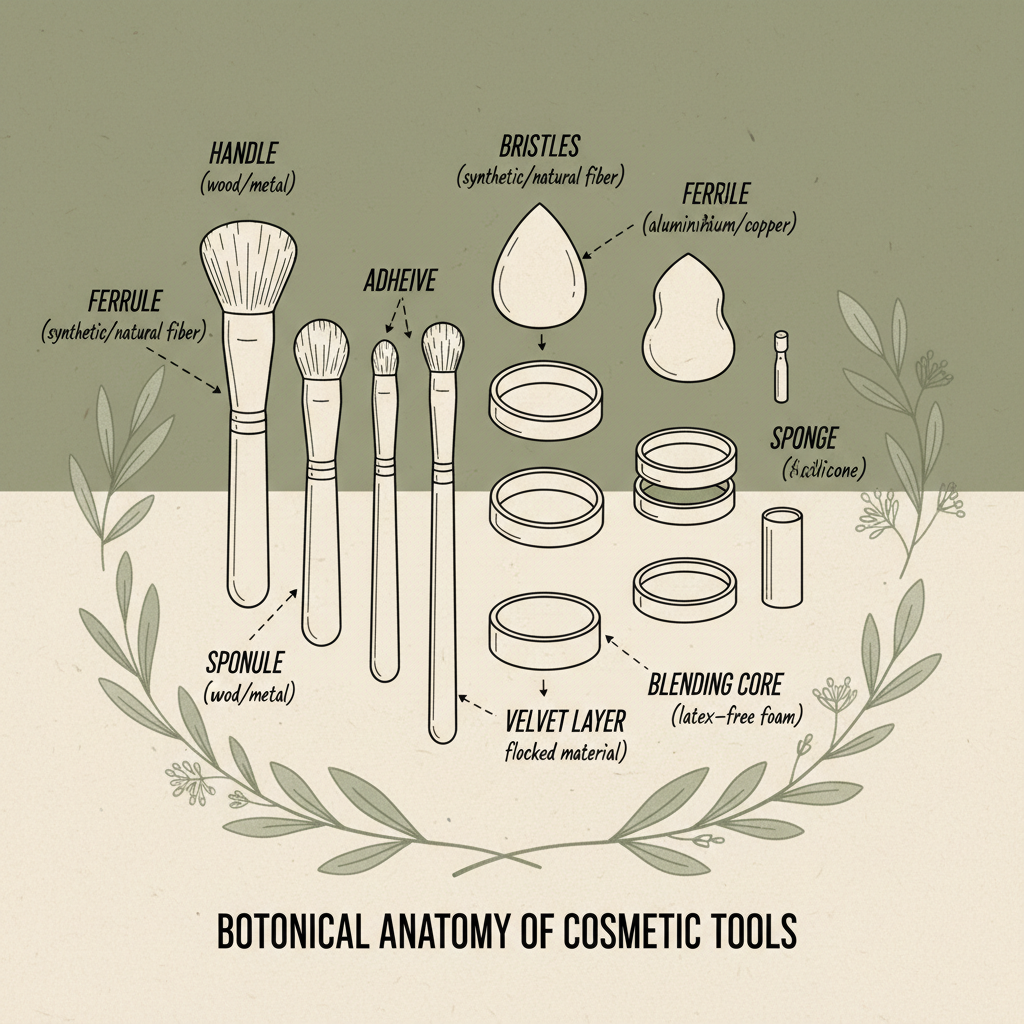
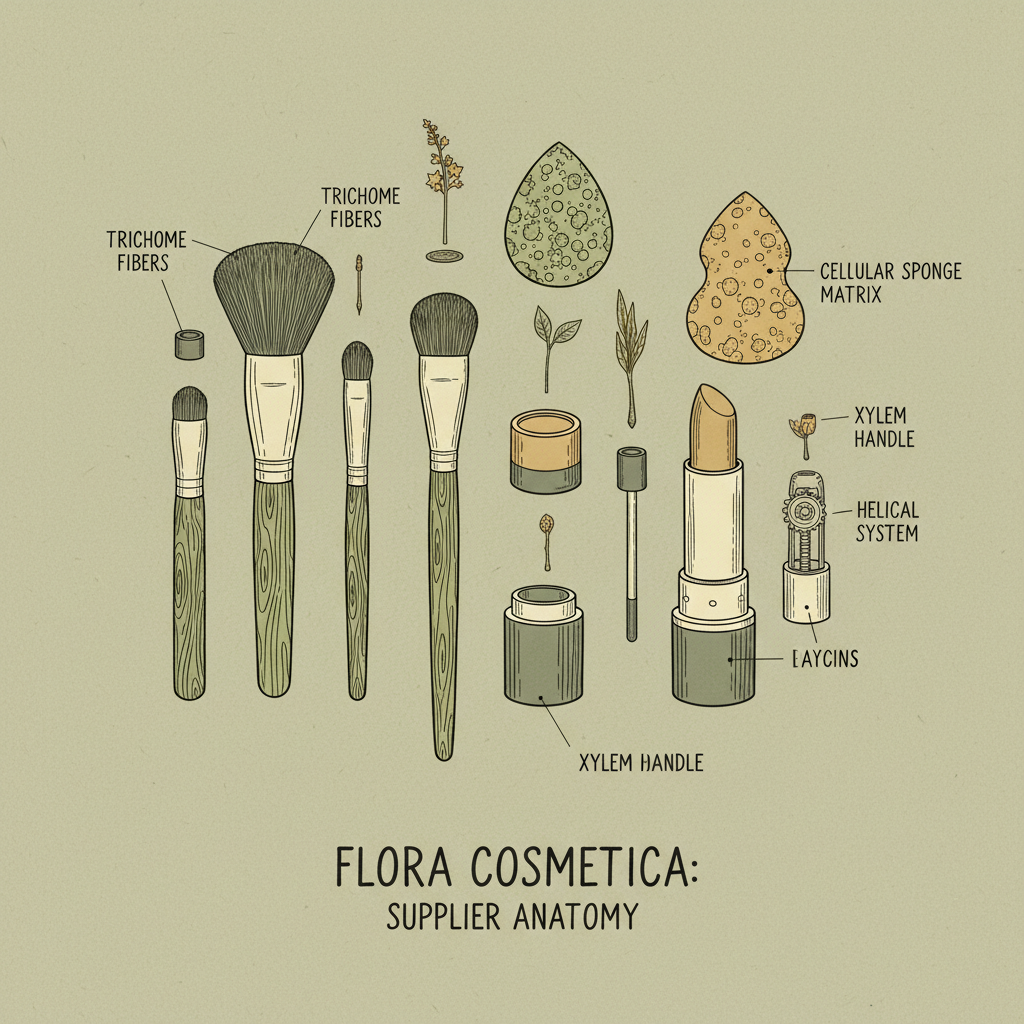
I spend a lot of time at factories, you know? Seeing how things are actually made. It’s rarely as clean as the brochures show. We’re talking about makeup tools, right? So, a lot of it is aluminum alloy – 6061, mostly. Feels good in the hand, not too heavy. Sometimes they’ll use stainless steel, but it gets cold, really cold in the winter, and nobody wants to touch freezing metal first thing in the morning. You get a whiff of the cutting oil, that’s how you know it’s good quality. The plastic components... that's where things get tricky. Cheap plastic smells like burning, good plastic has a slight, almost chemical scent. Strangely enough, you learn to tell the difference.
Testing… that’s another story. Labs are good for simulations, sure. But you really need to throw stuff around a bit. Literally. We used to have a guy, old man Henderson, he’d just chuck the prototypes across the workshop. Said it was the best way to see what would break. I don’t do that anymore, liability and all that. Now we do drop tests, fatigue tests, corrosion tests… But I always tell the guys, “Get out there and use it. See how it feels after a week of actual work.” That's the real test.
The market's shifting towards sustainability, that’s for sure. Everybody's talking about recycled materials and reducing waste. It's good, honestly, but it adds cost. And getting those recycled materials to meet the same strength standards as virgin materials? That's a headache. Anyway, I think the biggest trend right now is customization. People want things tailored to their specific needs. A specific handle shape, a particular finish…
It’s all driven by branding, of course. Everyone wants their own unique look. But it makes our job harder. More tooling, more specialized processes… it all adds up.
Honestly? They prioritize aesthetics over function. They want something that looks pretty, but doesn't necessarily feel good to use or hold for extended periods. I've seen brushes with handles that are too thin, bristles that shed constantly, and ferrules that fall apart after a few uses. It’s all about balancing form and function, and too many get it wrong. It's frustrating, really. You see a beautiful brush, but it's a pain to work with.
Hugely important. A heavy brush can cause fatigue, especially for artists who are doing a lot of detailed work. You want something that feels balanced and comfortable in the hand. I’ve seen artists complain about brushes that are too heavy, saying they cause cramps and make it difficult to control. Lightweight materials are key, but you also need to ensure they're still durable. It’s a tricky balance, but a crucial one. It’s not just about the weight itself, but how the weight is distributed.
Aluminum is the most common, and it's a good all-rounder. It’s lightweight, corrosion-resistant, and relatively inexpensive. But stainless steel is a better option if you need extra durability and you don't mind the added weight. Copper alloys are also used, but they can be more expensive. The key is to choose a metal that won't corrode or react with the handle material or the bristles. You don't want any nasty chemical reactions happening, that's for sure.
That’s a loaded question. It depends on the application. For some things, synthetic bristles are actually better than natural hair. They’re more durable, easier to clean, and hypoallergenic. But natural hair has a natural texture that picks up and distributes product more evenly. It’s really a matter of personal preference and what the artist is trying to achieve. The quality of the synthetic fiber makes all the difference, too. Cheap synthetic bristles can feel scratchy and perform poorly.
We do a simple ‘swirl test’. We dip the brush in water and then swirl it vigorously in a glass beaker. The amount of bristle shedding you see tells you a lot about the quality of the construction. A good brush shouldn’t shed much at all. We also do a ‘pull test’ – gently pulling on individual bristles to see how securely they’re attached to the ferrule. It's surprisingly effective, even if it looks a bit messy.
It depends on your capacity and budget. Simple customizations, like adding a logo or changing the color, are relatively easy. But complex customizations, like changing the handle shape or bristle type, can be very expensive and time-consuming. You have to be careful not to take on too much customization, or you'll end up with a logistical nightmare. And it's important to set realistic expectations with your customers. You can't just magically create anything they ask for. You need to find a balance between customization and standardization.
Ultimately, we’ve talked about materials, design, testing, and customization. We've seen how trends like miniaturization and sustainability are shaping the industry, and how crucial it is to understand user behavior. But all these considerations boil down to one simple truth: building a good makeup tool isn’t just about engineering and design—it's about creating something that feels right in the hand, performs reliably, and stands the test of time.
And honestly, whether this thing works or not, the worker will know the moment he tightens the screw. That’s what matters. If it feels solid, if it feels balanced, if it feels right, then you’ve done your job. That's all there is to it.