SHIJIAZHUANG LANSKY CO., LTD.

Rich Experience

Rich Experience

High-Quality Products

High-Quality Products

Support Customized Srvices

Support Customized Srvices

0%

Table of Contents

Look, honestly, things have been moving fast in the makeup tools industry. Everyone’s chasing that ‘premium’ feel, you know? But premium doesn’t always mean better, especially when you’re actually on a production floor dealing with dust and deadlines. Have you noticed how many brands are jumping on the synthetic fiber bandwagon? It’s not bad, not bad at all, but figuring out which synthetic is going to hold up to repeated cleaning and abuse… that’s the tricky part.

There’s a ton of talk about ergonomic handles. And that’s good! But I’ve seen so many designs that look amazing in the catalog, but are a nightmare for actually getting a solid grip when your hands are covered in primer. It’s easy to fall into the trap of over-complicating things, you know? A simple, well-balanced handle, properly weighted… that’s often better than some fancy sculpted thing.

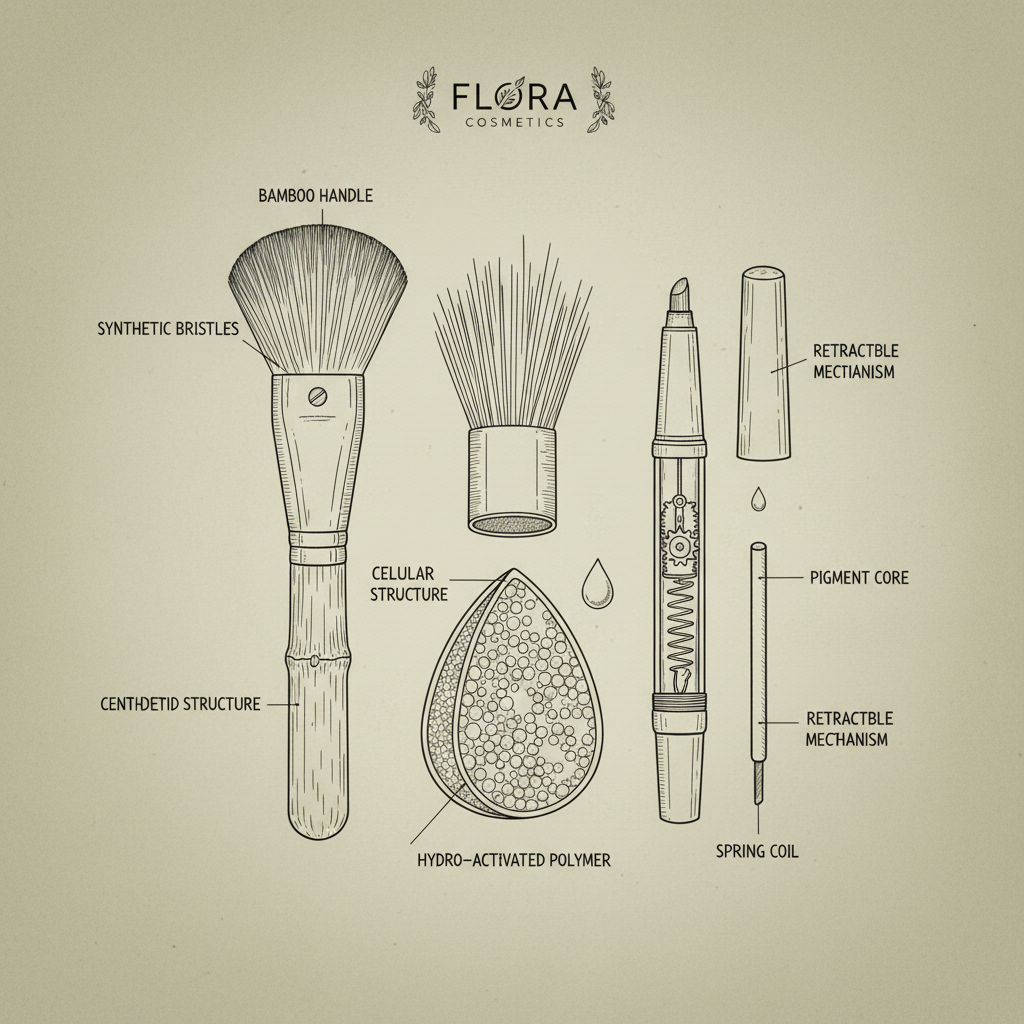
We’ve been using a lot of PBT (polybutylene terephthalate) for the brush handles lately. It's…tough. Really tough. Smells a bit like plastic when you first machine it, but it doesn’t absorb moisture like some of the other materials. And for the ferrules - you know, that metal bit that holds the bristles – we're leaning towards aluminum alloys. Stainless steel is okay, but it adds weight and cost without a huge benefit, at least for most applications. We've been experimenting with rose gold plating, though. It's a pain to work with, gets scratched easily, but the market wants it, right?
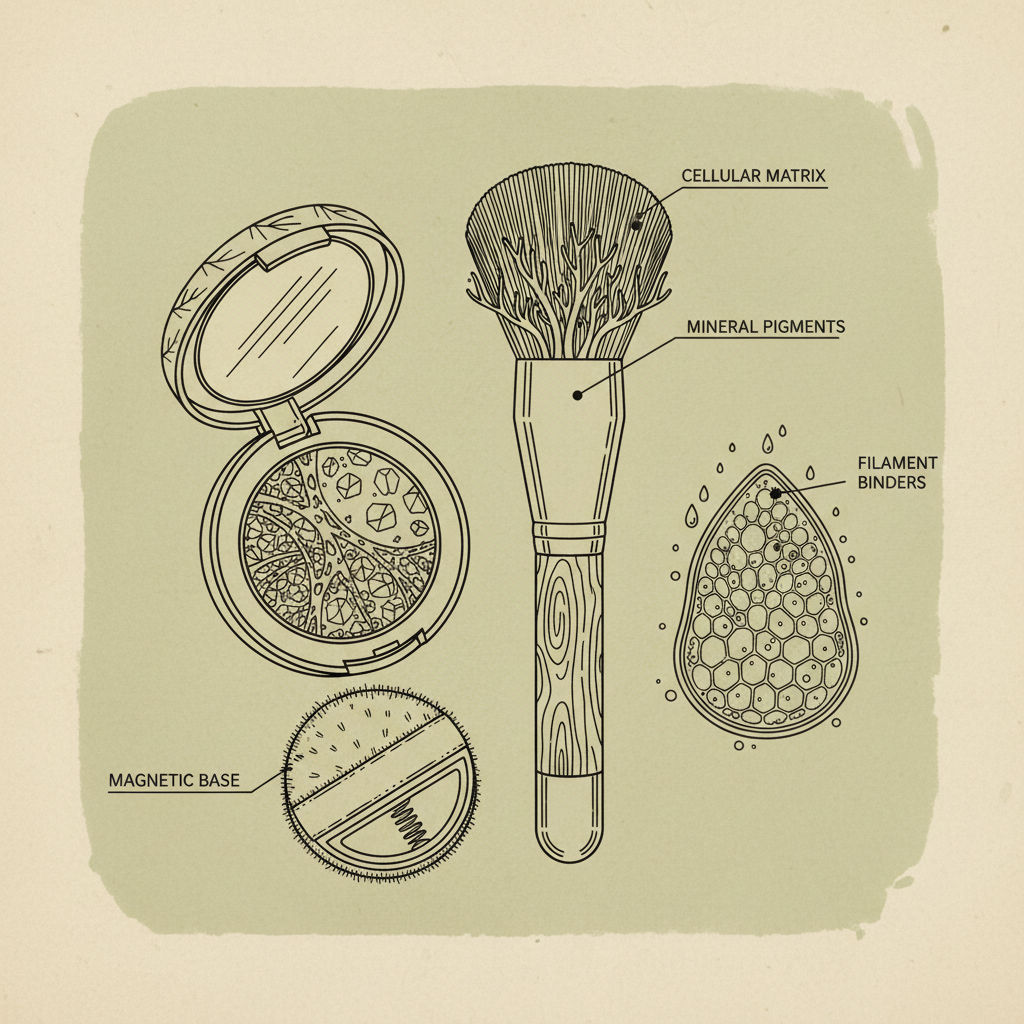
Expert Makeup Tools Manufacturer Navigating Industry Trends and Material Selection

Industry Trends and Design Pitfalls

Expert Makeup Tools Manufacturer Navigating Industry Trends and Material Selection

To be honest, the biggest trend I'm seeing is a move towards sustainable materials and packaging. Everyone’s talking about bamboo, recycled plastics... it's good, really good, but the sourcing and quality control can be a nightmare. I encountered a batch of bamboo handles at a factory in Vietnam last time that were so uneven, it was impossible to get a consistent finish. It’s a constant balancing act.

A common design pitfall is focusing too much on aesthetics and forgetting about functionality. You see these brushes with incredibly intricate shapes… they look beautiful in photos, but they’re a pain to clean, and they don’t actually apply makeup any better. It's all about finding that sweet spot between form and function, which, strangely, seems to be getting harder and harder.

Material Selection and Handling

We do a lot of testing with the bristles, of course. Natural hair is still popular for powder brushes, but it requires a lot of upkeep. Synthetic fibers are becoming more refined, offering better pickup and blending. We use a lot of Taklon and nylon blends. Taklon feels… softer, more luxurious, but nylon has better snap. You gotta find the right mix. The smell test is important, too. Cheap synthetics can have a really strong chemical odor that takes weeks to dissipate.

For the metal components, we're seeing a rise in demand for rose gold and gunmetal finishes. It adds to the perceived value, but it's a pain to maintain the color consistency during production. We’ve had issues with tarnishing, even with protective coatings.

Handling the materials is also a big deal. Some of these polymers are incredibly static-prone, which means dust clings to everything. You need a properly grounded workspace and anti-static tools just to keep things clean. Anyway, I think the key is to understand the properties of each material and how they interact with each other.

Testing Procedures: Real-World Scenarios

Forget the lab tests, okay? They're useful for basic things like tensile strength and chemical resistance, but they don't tell you how a brush will actually perform. We do a lot of practical testing. We have a team of makeup artists who use the brushes daily and give us feedback. Brutal feedback, sometimes.

We also simulate real-world conditions. We soak brushes in different makeup removers, repeatedly wash them, and even drop them (accidentally, of course!). We check for bristle shedding, handle cracking, and ferrule loosening. It's messy, but it's the only way to get a true understanding of the product's durability.

We also send samples to professional makeup artists for feedback. They're the ones who really push the brushes to their limits. Later... forget it, I won't mention the incident with the glitter and the industrial vacuum cleaner.

User Application and Behavior

Here’s something that always surprises people: users don’t read the instructions. Like, at all. They just start using the brushes, and if they don’t work right away, they blame the brush, not themselves. That’s why it's so important to make the brushes intuitive and forgiving.

And the way people clean their brushes… oh boy. Some people just rinse them under the tap, which is terrible for the bristles. Others use harsh chemicals that strip away the natural oils. We try to educate users about proper brush care, but it's an uphill battle.

Advantages, Disadvantages, and Customization

The biggest advantage of working with a dedicated makeup tools manufacturer like us is the ability to customize. We can tailor the bristles, handles, and ferrules to meet specific requirements. For example, we had a client who wanted a brush specifically designed for applying glitter. It needed to have extremely dense bristles and a slightly tacky texture to hold the glitter in place. We made it happen.

The disadvantages? Well, minimum order quantities can be a challenge for smaller brands. And, honestly, lead times can be longer than you’d like, especially during peak season. But we're always working to improve our efficiency and responsiveness.

A Customer Story: The Debacle

Last month, that small boss in Shenzhen who makes smart home devices insisted on changing the charging port on their makeup brush cleaner to . Said it was “the future.” I tried to explain that nobody cares about on a makeup brush cleaner, they just want it to work. But he wouldn’t listen. He wanted to be different.

He ordered a full production run with the port. Turns out, nobody bought it. The cleaner worked perfectly fine, but the port was a deal-breaker for most customers. It was a complete disaster. He ended up having to sell the remaining stock at a huge discount. Lesson learned, I guess. Sometimes, sticking with the basics is the best approach.

He called me up a week later, sounding defeated. Said he should have listened to the “old man on the factory floor.” That was… gratifying.

Quality Assessment and Final Thoughts

We have a pretty simple quality control process. Each brush is visually inspected for defects. Bristle shedding, uneven trimming, loose ferrules… all that stuff. We also do a function test to make sure the brush applies makeup smoothly and evenly.

Ultimately, whether this thing works or not, the worker will know the moment he tightens the screw. You can have all the fancy designs and high-tech materials in the world, but if the brush doesn’t feel right in the hand and doesn’t apply makeup effectively, it's a failure. That’s the bottom line.

FAQS

What is the typical lead time for a custom makeup brush order?

Lead times vary depending on the complexity of the design, the materials used, and our current production schedule. Generally, you can expect a lead time of 6-8 weeks for a new custom order. However, it's always best to contact us directly to discuss your specific requirements and get a more accurate estimate. We factor in material sourcing, sample approval, mass production, and quality control—it's a multi-step process!

What's the minimum order quantity (MOQ) for custom brushes?

Our MOQ varies depending on the type of brush and the level of customization. For standard brushes with minor modifications, the MOQ is typically 500 pieces. For fully custom designs, the MOQ is usually 1000 pieces. We understand that this may be a challenge for smaller brands, so we're always open to discussing flexible options if possible. Sometimes we can work with lower quantities for a premium.

What materials are commonly used for makeup brush bristles?

We work with a wide range of bristle materials, including natural hair (goat, squirrel, pony), synthetic fibers (Taklon, nylon), and blends of both. Natural hair is great for powder brushes, offering excellent pickup and blending. Synthetic fibers are more durable, easier to clean, and cruelty-free. The best choice depends on the specific application and desired performance characteristics.

Can you incorporate sustainable or eco-friendly materials into the brush production?

Absolutely. We're committed to sustainability and offer a range of eco-friendly materials, including bamboo handles, recycled plastic components, and vegan synthetic bristles. We can also source materials from responsible suppliers and implement environmentally friendly manufacturing processes. It often comes down to balancing cost and performance, but we’re happy to explore sustainable options.

What types of finishes are available for the brush ferrules?

We offer a variety of finishes for the brush ferrules, including gold plating, rose gold plating, silver plating, black oxidation, and standard aluminum. We can also customize the finish to match your brand's aesthetic. Rose gold is popular, but it requires extra care to avoid tarnishing, and the plating process is more complex.

Do you offer private labeling services?

Yes, we offer comprehensive private labeling services. We can print your logo on the brush handles and packaging. We can also customize the packaging to your specifications. We've worked with brands of all sizes, from startups to established cosmetics companies. We understand the importance of brand consistency and quality.

Conclusion

So, yeah, that’s pretty much the state of things in the makeup tools world. It's a constant balancing act between innovation, practicality, and cost. The trends are always changing, the materials are evolving, and the customers are getting more demanding. But at the end of the day, the core principles remain the same: quality, functionality, and durability.

If you’re looking for a reliable makeup tools manufacturer, someone who understands the nuances of the industry and can deliver high-quality products on time and within budget, then look no further. We’re here to help you bring your vision to life. Visit our website: makeup tools manufacturer.

David Miller

David Miller

David Miller is the Senior Market Analyst at Shijiazhuang Lansky Trade Co., Ltd. With over 8 years of experience in international trade, David specializes in analyzing market trends and identifying opportunities for growth. He holds a Bachelor’s degree in Economics from the University of California, Berkeley. David is responsible for
Previous Navigating the Landscape of Durable and Customizable makeup tools supplier
Next Navigating Trends and Challenges in Makeup Tools Manufacturers

If you are interested in our products, you can choose to leave your information here, and we will be in touch with you shortly.