SHIJIAZHUANG LANSKY CO., LTD.

Rich Experience

High-Quality Products

Support Customized Srvices
To be honest, this year's trend in makeup tools manufacturing is all about customization and sustainable materials. Everyone's chasing that “eco-friendly” label, which is good, I guess. But have you noticed, a lot of these 'biodegradable' plastics still feel… cheap? Like they’ll snap if you look at them wrong. Anyway, I think the pressure’s coming from the bigger brands demanding it, to hit their ESG goals. It's making things interesting, for sure.
It’s a tricky business, this makeup tools game. You think you’ve got a great design, and then you get it back from a factory, and the balance is just… off. I encountered this at a factory in Ningbo last time – they’d made the handle a millimeter too short on a brush set, and suddenly it felt awkward to hold. Millimeter! You wouldn’t think it would matter, but it does.
And the materials... It’s not just about what it is, it's about how it feels. We’re using a lot of birchwood for handles these days, it has a nice weight to it, almost smells like a campfire. The synthetic fibers for the brushes – they’ve come a long way. Used to be scratchy and uneven, now they can mimic natural hair pretty well. Strangel,y even the smell changed with different suppliers.
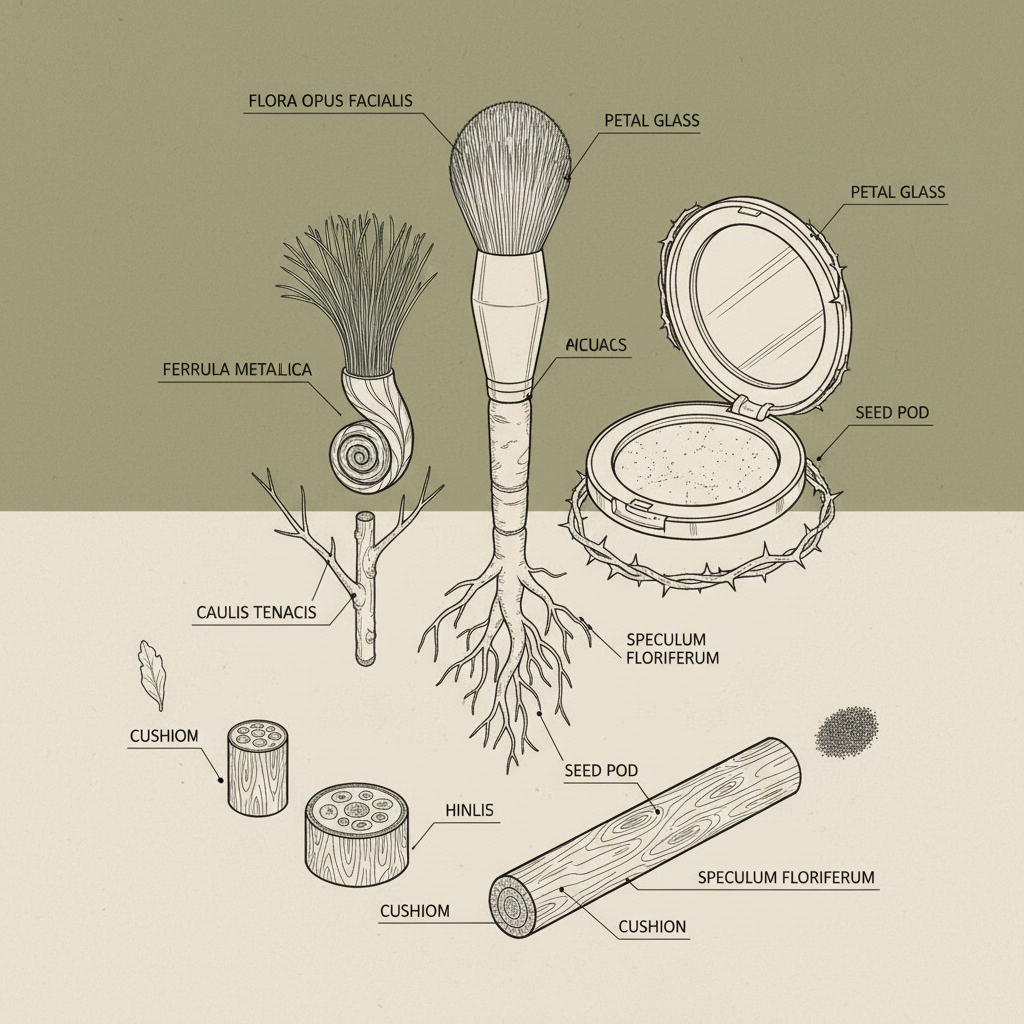
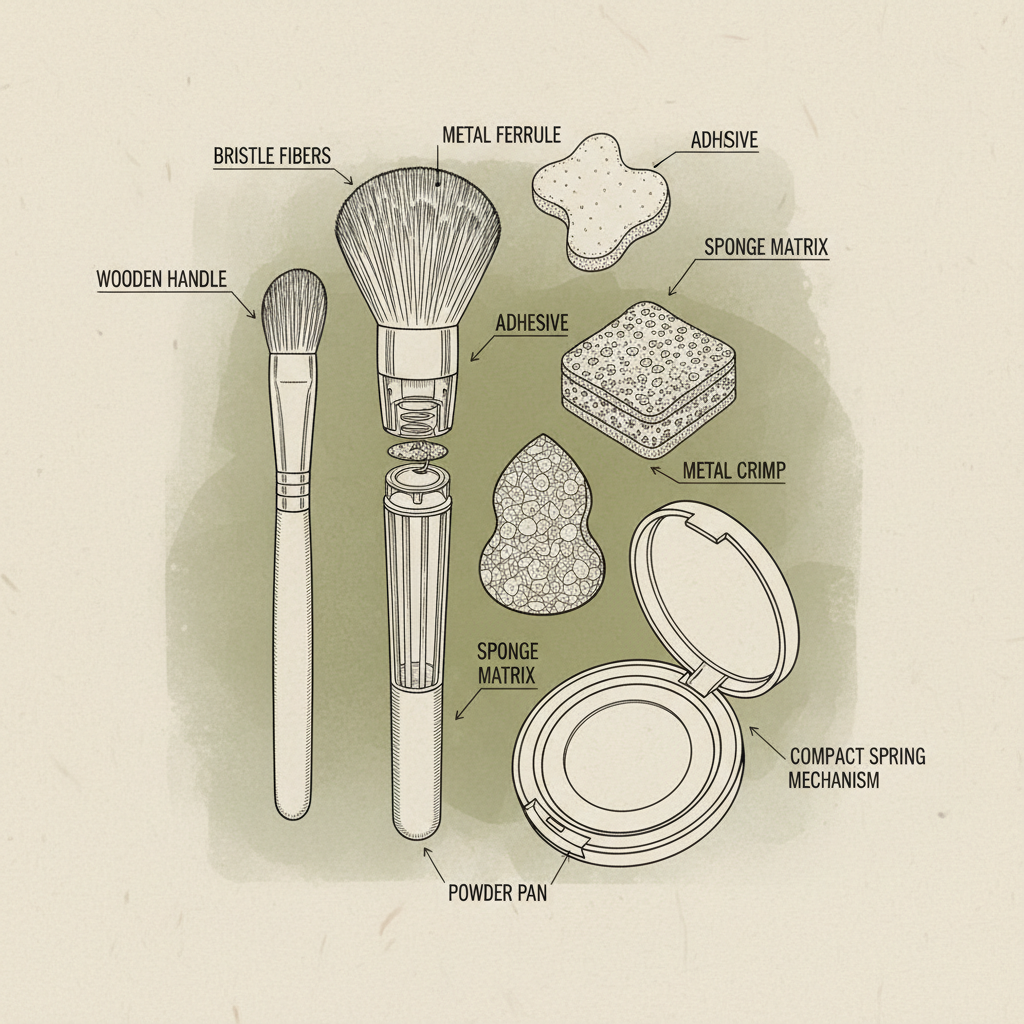
The biggest thing right now, honestly, is moving away from traditional plastics. Everyone’s talking about bio-plastics, recycled materials, even bamboo. It’s good… but it’s also a headache. The price jumps up, the lead times get longer, and the quality control needs to be tighter. It's a constant battle between cost, sustainability, and getting a product that doesn’t fall apart after a week.
A common mistake I see? Over-engineering. Designers get caught up in making something look amazing, and forget about how it's actually going to be used. I once saw a brush set with a handle shaped like a flower stem. Beautiful, yes. Practical? Absolutely not. The base was wobbly, impossible to stand up without falling over. Later... Forget it, I won't mention it.
Honestly? Consistency. Finding suppliers who can consistently deliver materials that meet our quality standards and are truly sustainable is tough. A lot of “eco-friendly” options end up being more expensive or have hidden environmental costs. Plus, certifications can be misleading. You really have to dig deep and audit the supply chain.
It's huge. A well-balanced brush feels like an extension of your hand. If it's too heavy on one end, it’s tiring to use, and you lose control. I’ve seen makeup artists ditch brushes immediately because the weight distribution was off. It’s a subtle thing, but it makes a big difference.
We do a combination of things. We run tensile strength tests, of course, but also real-world use tests. We have testers use the brushes with different formulations – liquids, powders, creams – and see how they hold up over time. We also check for shedding, fraying, and loss of shape.
Absolutely. We've done it for everything from angled eyeliner brushes to pointed concealer brushes. It requires a custom mold, which adds to the cost, but it can make a big difference in performance. The key is understanding the specific needs of the application and designing a bristle shape that maximizes precision and control.
The ferrule. It’s the little metal band that holds the bristles in place. A flimsy ferrule will crack and loosen over time, causing the bristles to fall out. It's worth spending a little extra on a high-quality ferrule – it makes a huge difference in the longevity of the brush.
It’s massive right now. Shipping costs have skyrocketed in the last few years, especially with all the port congestion and supply chain issues. We’re constantly looking for ways to optimize our logistics and negotiate better rates with carriers. It often means consolidating shipments and being flexible with delivery times.
Ultimately, we've talked about materials, designs, testing, and even a frustrated client in Shenzhen. It all comes down to balancing cost, quality, and sustainability. It's a constant juggling act, and there's no one-size-fits-all solution.
But at the end of the day, whether this thing works or not, the worker will know the moment he tightens the screw. If it feels right, if it's balanced, if it's solid – that's a good sign. And if it doesn’t… well, you go back to the drawing board.