

Mar . 05, 2026 02:59
What Brush for Blush: A Comprehensive Guide to Achieving a Flawless Finish
Achieving a beautifully blended blush application can elevate your entire makeup look. But the right technique isn't enough – you also need the right tool! Choosing the best blush brush can be surprisingly complex, with countless shapes and sizes available. This guide will explore the different types of blush brushes, their ideal uses, and how to select the perfect one for your desired finish. We'll cover everything from fluffy blending brushes to angled contour brushes and explain how each impacts your overall look. Understanding the nuances of each brush will empower you to achieve a professional-level blush application at home.
Understanding the Different Types of Blush Brushes
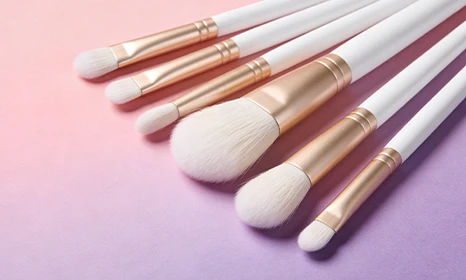
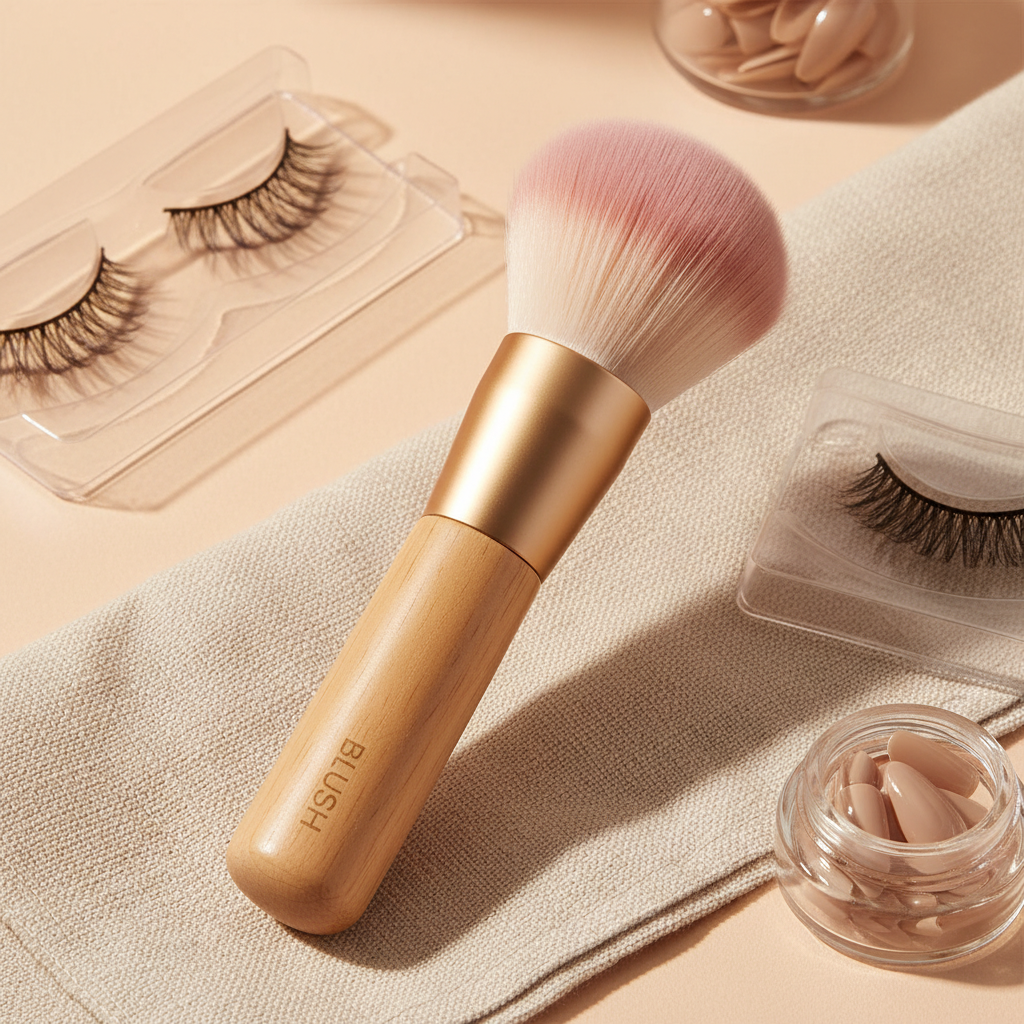
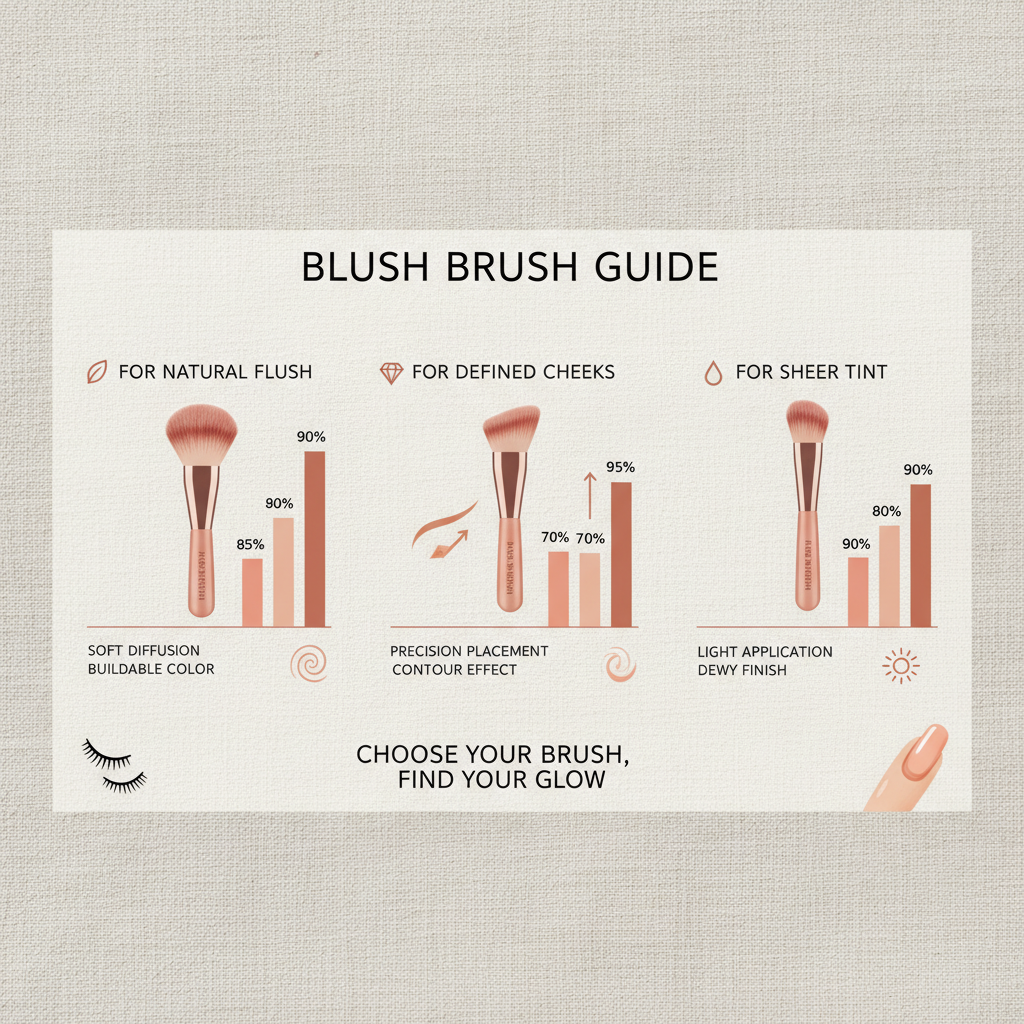
Blush brushes aren't one-size-fits-all. They come in a variety of shapes, sizes, and bristle types, each designed to create a different effect. Generally, brushes fall into a few main categories: round, angled, tapered, and fan. Round brushes are great for a diffused, natural look, while angled brushes offer more precision for sculpting cheekbones. Tapered brushes are versatile, allowing for both precise application and blending, and fan brushes deliver a soft wash of color. The density and softness of the bristles also play a role – softer bristles provide a lighter application, while denser bristles build more pigment.
Key Takeaway: The ideal blush brush depends on your preferred blush formula (powder, cream, liquid) and the look you're trying to achieve.
Which Brush for Powder Blush?
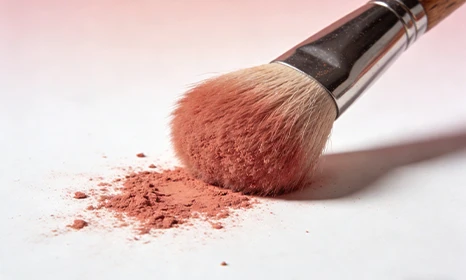
Powder blush is the most common type, and generally pairs best with a fluffy, rounded brush. This type of brush deposits color evenly and allows for seamless blending. Look for brushes with soft, slightly tapered bristles. Avoid brushes that are too dense, as they can apply too much product at once. A larger, fluffy brush is ideal for an all-over wash of color, while a smaller, more precise brush can be used to build intensity on the apples of the cheeks. Consider the shape of your face when choosing – a round brush is versatile for most face shapes, while an angled brush can help define cheekbones.
Powder Blush Brush Benefits:
• Even color distribution
• Seamless blending
• Versatile for most face shapes
• Easy to control intensity
Cream and Liquid Blush: What Brush to Use?
Cream and liquid blushes require a different approach. These formulas are best applied with synthetic brushes, as natural bristles can absorb too much product. A stippling brush, with its dual-fiber construction, is excellent for creating an airbrushed effect with liquid blush. For cream blush, a dense, flat brush or a sponge applicator can provide a smooth, even application. Avoid using fluffy brushes with cream or liquid blush, as they won't provide enough control. Remember to work quickly with these formulas, as they tend to set quickly.
Choosing the Right Bristles: Natural vs. Synthetic
The type of bristles significantly impacts the application of your blush. Natural bristles are porous and tend to pick up powder products well, providing a softer, more diffused finish. However, they can absorb product, making them less ideal for creams and liquids. Synthetic bristles are non-porous, making them perfect for liquid and cream formulas. They're also easier to clean and maintain. When selecting a brush, consider the material and its compatibility with your preferred blush type. For a versatile option, a high-quality synthetic brush can work well with both powder and cream formulas.
Investing in Quality: Why Brush Quality Matters
While tempting to opt for inexpensive brushes, investing in quality brushes can significantly improve your makeup application and longevity of your tools. High-quality brushes are made with softer, more durable bristles that won't shed or fall apart easily. They also hold their shape better and provide a more consistent application. Consider brushes from reputable brands like Lansky Beauty, known for their professional-grade tools. Proper brush care, including regular cleaning, will further extend the life of your investment.
Conclusion: Finding Your Perfect Blush Brush
Ultimately, the best blush brush is the one that helps you achieve your desired look. Consider your blush formula, skin type, and preferred finish when making your selection. Don’t be afraid to experiment with different brushes to find what works best for you. A little knowledge and the right tools can transform your blush game!
Frequently Asked Questions (FAQs)
How often should I clean my blush brush?
It's recommended to clean your blush brush at least once a week, especially if you use it daily. Bacteria can build up on brushes, leading to breakouts and skin irritation. For powder brushes, you can use a brush cleaner spray or gently wash with a mild shampoo. For brushes used with cream or liquid blush, a thorough cleaning with shampoo is essential. Allow the brush to air dry completely before using it again.
Can I use a contour brush for blush?
While you can use a contour brush for blush in a pinch, it’s not ideal. Contour brushes are typically angled and designed for precision sculpting, which isn’t usually the goal with blush. They can deposit too much product in a concentrated area and are harder to blend seamlessly. However, an angled blush brush can provide some contouring effect, so it depends on the specific brush and your desired look.
What’s the best blush brush for a natural look?
For a natural look, a large, fluffy, rounded blush brush is your best bet. This type of brush diffuses the color beautifully, creating a soft, subtle flush. Focus on applying blush to the apples of your cheeks and blending outwards towards your temples. Using a light hand and building up the color gradually will help you achieve a natural finish.
How do I know if my blush brush is too dense?
If your blush brush feels stiff and packs a lot of product onto your skin with minimal effort, it's likely too dense. Dense brushes are great for building color intensity, but they can be tricky to blend. If you struggle to achieve a seamless finish with a dense brush, consider opting for a softer, more fluffy option. You can also use a lighter hand and tap off any excess product before applying to your cheeks.